

Hair Thinning After Hair Transplant: Causes, Timeline, and Treatment Options
Experiencing hair thinning after a hair transplant can feel alarming, especially when expectations are high after surgery. However, in most cases, post-transplant thinning is a temporary and expected part of the recovery process rather than a sign of failure.
Understanding why thinning happens, how long it usually lasts, and what support options exist helps set realistic expectations and reduces unnecessary stress.
Why Hair Thinning Can Occur After a Hair Transplant
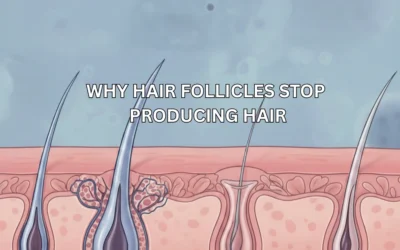
After a transplant, both the scalp and hair follicles go through a period of adjustment. Newly implanted grafts are adapting to a new blood supply, while surrounding native hair may react to surgical stress.
Common causes include:
- Temporary shock to transplanted or existing hair
- Inflammation during healing
- Follicles entering a resting phase
- Scalp sensitivity or imbalance
This type of thinning is usually temporary.
Understanding the Post-Transplant Timeline
Hair recovery after a transplant follows stages rather than immediate regrowth.
Typical timeline:
- First few weeks: Healing, scab formation, and graft stabilisation
- 1–3 months: Temporary shedding or visible thinning
- 3–6 months: Early regrowth begins
- 6–12 months: Gradual improvement in density and thickness
Seeing thinning during the early months is considered normal.
Is Hair Thinning After Transplant Permanent?
In most cases, no. Hair thinning resolves once follicles re-enter the growth phase. Recovery speed depends on factors such as:
- Individual healing response
- Scalp condition
- Nutrition and hydration
- Quality of aftercare
If thinning persists longer than expected, professional assessment is advised.
What Helps Support Hair Recovery After Thinning
Recovery improves when the scalp environment is calm and well supported.
Helpful factors include:
- Proper scalp hygiene
- Reduced inflammation
- Good circulation
- Balanced nutrition
Supportive treatments may be introduced when the scalp is ready.
Treatment Options That May Be Considered
Depending on scalp condition and recovery stage, the following may be recommended:
These options are used selectively and only when appropriate for the recovery stage.
When to Seek Professional Advice
Professional guidance is recommended if:
- Thinning continues beyond expected timelines
- Regrowth does not begin after several months
- Scalp discomfort or inflammation persists
Early assessment helps avoid unnecessary delays in recovery.
👉 Unsure which post-transplant concern or treatment applies to you? Chat now for personalised assistance.
Final Thoughts
Hair thinning after a hair transplant is usually a temporary and expected part of the healing process. Understanding the recovery timeline and focusing on scalp health rather than immediate growth helps protect results and reduce anxiety.
For individuals seeking medically guided post-transplant care in Leeds, Cosmeticstar offers personalised non-surgical aftercare plans focused on scalp recovery, follicle stability, and long-term hair growth.
GDPR Notice: All consultations and treatments follow GDPR requirements. Personal data remains confidential. Clicking the WhatsApp link redirects you externally. Please review our Privacy Policy.
Disclaimer: This content is for educational purposes only. Always consult a qualified practitioner for post-transplant concerns.
FAQ
Q: Is hair thinning normal after a transplant?
A: Yes, temporary thinning is common during recovery.
Q: When does new hair usually start growing?
A: Most people notice regrowth between 3–6 months.
Q: Does thinning mean grafts have failed?
A: No, it is usually part of the normal growth cycle.
Q: Can treatments support recovery?
A: Yes, when used at the right stage.
Q: Should I seek advice if thinning continues?
A: Yes, professional guidance is recommended.

0 Comments