

Best Non-Surgical Hair Restoration Treatments Available in Leeds
Hair thinning and early hair loss are increasingly common due to stress, hormonal changes, lifestyle factors, and nutritional imbalance. The good news is that many people do not require surgery to address these concerns. Modern non-surgical hair restoration treatments focus on reviving existing follicles rather than replacing them.
For individuals looking for effective hair thinning solutions in Leeds, non-surgical hair treatments offer safe, natural, and medically guided options for hair regrowth.
Why Non-Surgical Hair Restoration Works
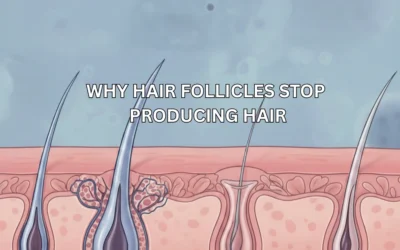
Hair follicles often stop performing efficiently before they stop functioning completely. In early to moderate hair loss, follicles are usually still present but weakened.
Non-surgical hair restoration treatments work by:
• improving scalp circulation
• reducing inflammation around follicles
• delivering regenerative signals
• supporting healthier hair growth cycles
This makes them ideal for gradual thinning and early density loss.
Non-Surgical Hair Restoration Treatments Used in Leeds
PRP Hair Treatment
PRP uses growth factors derived from your own blood to support follicle recovery and scalp health.
How PRP helps:
• improves blood supply to follicles
• reduces excessive shedding
• supports natural hair regrowth
PRP is commonly chosen as a first-line hair regrowth treatment.
GFC Hair Therapy
GFC delivers a higher concentration of regenerative signals compared to PRP and is often used for ongoing or progressive hair thinning.
How GFC helps:
• strengthens follicle activity
• improves consistency of hair growth
• supports long-term density
It is suitable when thinning has been present for longer.
Exosome Hair Therapy
Exosome therapy supports communication between scalp cells, helping follicles behave more efficiently.
How exosome therapy helps:
• improves cellular coordination
• reduces inflammatory stress
• encourages stable regrowth patterns
It is often considered for hair that responds poorly to basic treatments.
Internal Support for Hair Restoration: Vitamins and IV Drip Therapy
Hair regrowth depends not only on scalp treatments but also on internal balance. Nutrient depletion and dehydration can limit the effectiveness of any hair restoration plan.
Vitamin Injections
Vitamin injections deliver essential nutrients directly into the body, bypassing absorption issues.
How vitamin injections help:
• support hair growth energy requirements
• improve hair strength and texture
• stabilise deficiency-related shedding
IV Drip Therapy
IV drip therapy supports hydration and nutrient delivery throughout the body.
How IV drip therapy helps:
• improves circulation and hydration
• supports metabolic recovery
• enhances response to hair regrowth treatments
Choosing the Right Hair Restoration Treatment
No single treatment works for everyone. Hair thinning may be caused by genetics, stress, hormones, or nutritional factors.
Professional assessment helps:
• identify the cause of hair loss
• choose suitable non-surgical hair treatments
• avoid unnecessary or ineffective options
Unsure which non-surgical hair restoration treatment is right for you? chat now for personalised assistance.
Final Thoughts
Non-surgical hair restoration treatments offer effective solutions for hair thinning and early hair loss when follicles are still active. By combining scalp-based regenerative treatments with internal support, long-term hair regrowth becomes achievable.
For individuals seeking advanced non-surgical hair restoration treatments in Leeds, Cosmeticstar provides personalised, medically guided plans focused on natural regrowth and scalp health.
GDPR Notice: All consultations and treatments follow GDPR requirements. Personal data remains confidential. Clicking the WhatsApp link redirects you externally. Please review our Privacy Policy.
Disclaimer: This content is for educational purposes only. Individual results may vary. Always consult a qualified practitioner before starting treatment.
FAQ
Q: Can hair thinning be treated without surgery?
A: Yes, many cases respond well to non-surgical treatments.
Q: Are results permanent?
A: Results are long-lasting with maintenance and proper care.
Q: How long does hair regrowth take?
A: Visible changes usually develop over several months.
Q: Do vitamin deficiencies affect hair loss?
A: Yes, deficiencies are a common cause of thinning.
Q: Is professional consultation necessary?
A: Yes, correct diagnosis improves outcomes.
0 Comments