

How Non-Surgical Hair Regenerative Treatments Stimulate New Growth
Hair regrowth is not about forcing new hair to appear overnight. It is about restoring the conditions that allow hair follicles to function properly again. Non-surgical hair regenerative treatments focus on reactivating weakened follicles, improving scalp health, and supporting natural growth cycles.
These treatments are increasingly chosen as effective hair thinning solutions because they work with the body’s biology rather than against it.
How Hair Regeneration Works Naturally
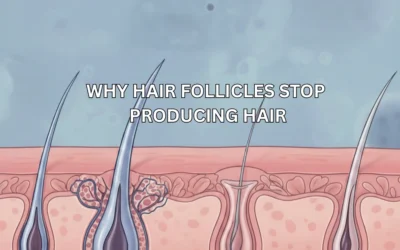
Hair follicles rely on blood supply, nutrients, and cellular signals to remain in the growth phase. When these signals weaken, follicles shift into prolonged rest phases, leading to thinning.
Hair regeneration occurs when:
• circulation to the scalp improves
• Inflammation around follicles reduces
• cellular communication is restored
• follicles regain access to nutrients
Non-surgical hair regrowth treatments are designed to trigger these processes.
Why Regenerative Treatments Are Different From Cosmetic Solutions
Cosmetic products only affect hair appearance on the surface. Regenerative treatments work at the follicle level, where growth is controlled.
They focus on:
• improving follicle responsiveness
• restoring scalp balance
• supporting consistent growth cycles
• strengthening new hair strands
This makes them suitable for early to moderate hair thinning.
Non-Surgical Hair Regenerative Treatments That Stimulate Growth
PRP Hair Treatment
PRP uses growth factors derived from your own blood to stimulate follicle activity and improve scalp circulation.
How PRP stimulates growth:
• reactivates weakened follicles
• improves blood flow and oxygen delivery
• supports natural regrowth cycles
PRP is widely used as a foundational hair regrowth treatment.
GFC Hair Therapy
GFC delivers a higher concentration of regenerative signals directly to the scalp.
How GFC stimulates growth:
• strengthens follicle signalling
• improves consistency of regrowth
• supports long-term hair density
It is often chosen for progressive hair thinning.
Exosome Hair Therapy
Exosome therapy enhances communication between scalp cells, helping follicles coordinate growth more efficiently.
How exosome therapy stimulates growth:
• reduces inflammatory disruption
• improves cellular coordination
• supports organised growth cycles
This approach focuses on long-term follicle stability.
Internal Support That Enhances Hair Regeneration
Hair regeneration depends on internal health as much as scalp treatment. Without proper nutrients and hydration, follicles struggle to respond.
Vitamin Injections
Vitamin injections correct deficiencies that interfere with follicle energy and repair.
How vitamin injections enhance regeneration:
• support hair growth metabolism
• improve hair strength and quality
• reduce deficiency-related shedding
IV Drip Therapy
IV drip therapy improves hydration and nutrient delivery throughout the body.
How IV drip therapy enhances regeneration:
• supports circulation and hydration
• improves cellular recovery
• enhances response to hair regrowth treatments
Why Regenerative Treatments Require Patience
Hair regeneration is gradual because follicles need time to rebuild strength and re-enter active growth phases.
Early improvements usually include:
• reduced shedding
• improved hair texture
• better scalp comfort
Visible density develops over several months.
Unsure which non-surgical hair regenerative treatment is right for you? Chat now for personalised assistance.
Final Thoughts
Non-surgical hair regenerative treatments stimulate new growth by restoring the biological conditions hair follicles depend on. When combined with internal support and consistent care, they offer effective solutions for hair thinning without surgery.
For individuals seeking advanced hair regrowth treatments and non-surgical hair restoration in Leeds, Cosmeticstar provides personalised, medically guided care focused on long-term follicle health and natural regrowth.
GDPR Notice: All consultations and treatments follow GDPR requirements. Personal data remains confidential. Clicking the WhatsApp link redirects you externally. Please review our Privacy Policy.
Disclaimer: This content is for educational purposes only. Individual results may vary. Always consult a qualified practitioner before starting treatment.
FAQ
Q: How do regenerative treatments stimulate hair growth?
A: By improving circulation, signalling, and follicle health.
Q: Can new hair grow without surgery?
A: Yes, if follicles are still active.
Q: How long does regrowth take?
A: Gradual improvements over several months.
Q: Are regenerative treatments safe?
A: Yes, when professionally guided.
Q: Is internal support important?
A: Yes, it enhances treatment effectiveness.
0 Comments