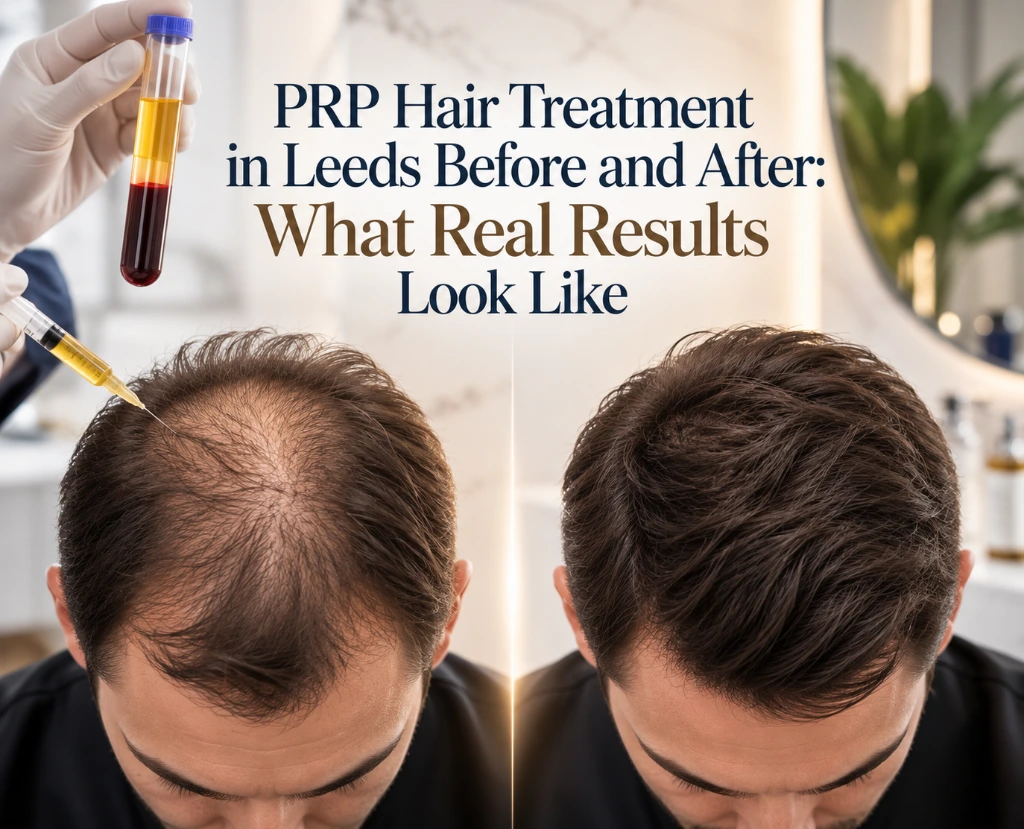

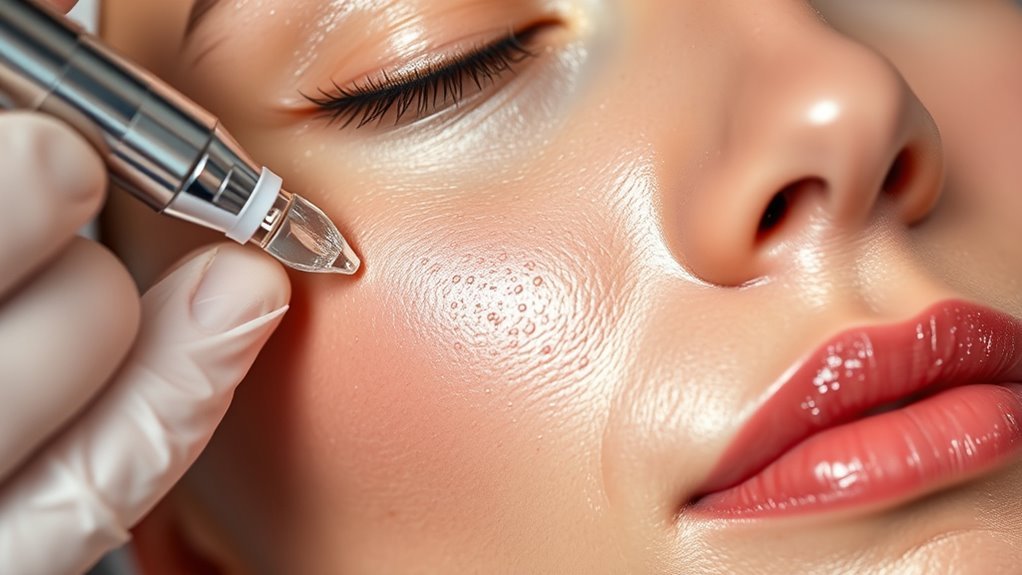
PRP therapy uses your own concentrated platelets to deliver growth factors that jump‑start collagen production and tissue repair. When combined with microneedling, tiny channels boost PRP penetration, triggering rapid platelet release (PDGF, TGF‑β, VEGF, EGF) and faster remodeling. Mesotherapy nourishes deeper skin layers with vitamins, hyaluronic acid, and peptides, supporting hydration and uniform tone. Expect gradual, lasting improvements over 2–6 weeks, with cumulative gains after a series. Curious how to optimize your plan? There’s more to explore.
What PRP for Skin Actually Is
PRP for skin—short for platelet-rich plasma—uses a patient’s own blood to supply a concentrated mix of growth factors that can stimulate tissue repair and rejuvenation. You’re evaluating a treatment rooted in biology and clinical data, not hype. PRP consists of platelets and plasma, drawn, processed to increase concentration, then applied or injected to target collagen production and healing. Evidence supports modest improvements in texture, tone, and can-speed recovery after injury. Nevertheless, you’ll encounter PRP misconceptions, including overestimating immediate dramatic results or universal efficacy. Microneedling myths sometimes accompany discussions, but the core principle remains: growth factors modulate repair pathways. Your decision should align with goals, safety, and professional guidance, ensuring expectations reflect current evidence and individual response.
How Microneedling Boosts PRP’s Power
Microneedling activates PRP by creating microchannels that trigger local release of growth factors, enhancing their delivery to skin layers. This activation also promotes platelet release mechanisms and synergizes with collagen synthesis, amplifying tissue repair signals. Together, these processes heighten PRP’s regenerative impact while supporting more robust, long-lasting skin remodeling.
Microneedling Activation Benefits
Could boosting PRP’s effects be as simple as a quick needling step? You’re not just creating microchannels; you’re triggering a controlled inflammatory response that signals collagen synthesis and tissue remodeling. Microneedling activation benefits lie in enhanced PRP uptake, deeper dermal delivery, and more uniform distribution of nourishing factors. When paired with mesotherapy nourishment, the procedure supports sustained collagen formation and hydration without excess downtime. This combination fosters a resilient skin matrix, improving texture, tone, and elasticity. Evidence aligns with improved growth-factor penetration, aiding rejuvenation efforts. Embrace this approach as a shared journey toward a refreshed, cohesive glow.
| Step | Benefit | Outcome |
|---|---|---|
| 1 | Enhanced PRP absorption | Deeper dermal reach |
| 2 | Targeted nourishment | Improved hydration |
| 3 | Accelerated remodeling | firmer skin |
| 4 | Uniform distribution | Consistent results |
| 5 | Quick recovery | Minimal downtime |
Platelet Release Mechanisms
Curiously, microneedling triggers a cascade of platelet release and activation that amplifies PRP’s impact. You’re not just delivering growth factors; you’re shaping a localized microenvironment where platelets degranulate, releasing PDGF, TGF-β, VEGF, and EGF. This immediate signaling recruits resident cells and initiates angiogenesis, while disrupted epidermal barriers enhance PRP penetration. Your procedure optimizes release timing, coordinating juice from platelets with tissue needs and promoting faster, targeted repair. Yet, you’ll encounter playful myths about instantaneous miracles; evidence shows gradual, reproducible improvements tied to controlled microinjury and PRP quality. Ethically, you consider donor screening, informed consent, and realistic outcomes. You belong to a practice that emphasizes transparency, safety, and measurable progress, ensuring each treatment respects patient autonomy while delivering scientifically grounded, consistent results.
Collagen Stimulation Synergy
The collagen-stimulation synergy from microneedling amplifies PRP’s effects by creating controlled microinjury that triggers a staged healing response. You’ll experience enhanced collagen and elastin synthesis as platelets release growth factors at puncture sites, guiding deeper dermal remodeling. This synergy depends on precise timing: microneedling primes the skin, then PRP delivers concentrated bioactive signals to amplify repair. You’ll notice improved texture, tone, and firmness as new matrix support forms. Evidence supports equal emphasis on technique and product quality to optimize outcomes. Acknowledge tiny worries and cost considerations, addressing them with transparent expectations and a plan tailored to your skin type. When integrated with professional protocols, the collaboration between microneedling and PRP offers measurable, practitioner-supported improvements you can trust as part of your glow routine.
Mesotherapy: Nourishment for Deeper Skin Layers
Mesotherapy delivers nourishing serums—rich in vitamins, minerals, and hyaluronic acid—directly into the deeper skin layers to support hydration, collagen production, and nutrient delivery. You’ll experience targeted nourishment that complements PRP and microneedling, reinforcing skin resilience over time. Informed by nutrition science, these formulations supply antioxidants, peptides, and co-factors that support cellular metabolism and repair, promoting a healthier glow from within. By delivering actives beyond the surface, mesotherapy enhances moisture retention, texture, and tone with precise dosing tailored to your skin’s needs. This approach aligns with aesthetic marketing that emphasizes measurable outcomes—visible hydration, smoother microrelief, and improved radiance. You gain a science-backed option that fits into a holistic routine, fostering confidence and a sense of belonging within a results-driven community.
What to Expect: Timeline, Results, and Longevity
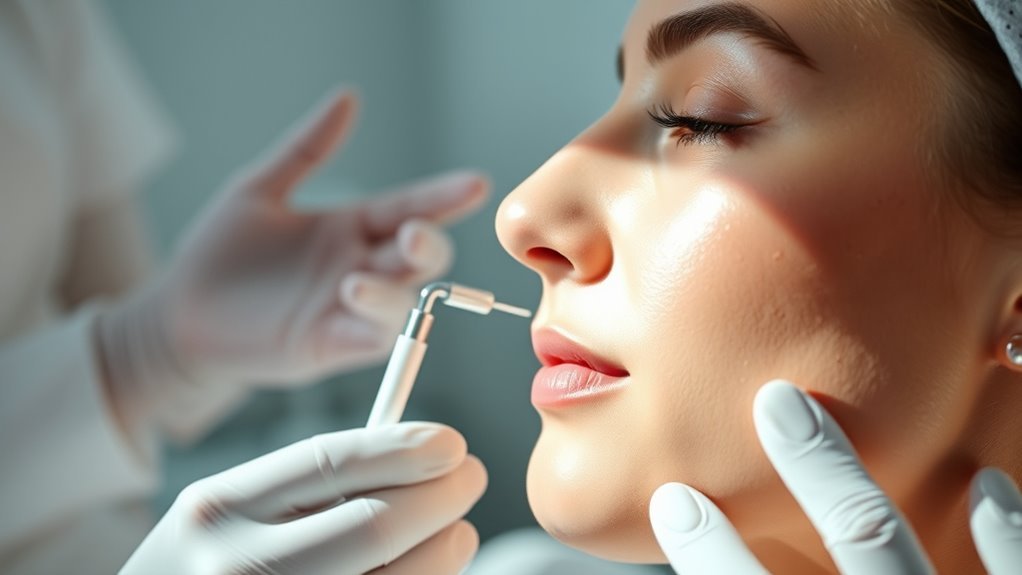
Curious about how soon you’ll notice changes? With PRP-enhanced microneedling and mesotherapy, you’ll typically see subtle improvements in 2–6 weeks, with continued progress over 3–6 months as collagen remodeling unfolds. Expect gradual tightening, improved texture, and a more even tone, rather than dramatic overnight shifts. Results vary by skin condition, age, and adherence to aftercare. You’ll notice cumulative benefits after a series, not a single session, so calm your expectations and avoid chasing quick fixes. Longevity depends on lifestyle, sun protection, and skin quality; maintenance sessions may extend your glow. Pocketbook considerations matter: plan for a structured treatment plan, align goals with realistic timelines, and factor in potential revision sessions. Clear, consistent care supports lasting outcomes.
Session Flow: Prep, Procedure, and Aftercare
Prep starts with clear guidance on skin prep and product compatibility, so you reduce irritation and optimize PRP outcomes. During the procedure, you’ll experience a sterile, controlled micropuncture process that supports consistent PRP delivery. Aftercare follows precise guidelines to protect results and monitor for any reactions.
Prep Essentials
Preparing for a PRP skin session starts with a clear, evidence-based plan: you’ll begin with a brief health check and skin assessment, confirm treatment goals, and assure any anticonceptives or anticoagulants are discussed with your clinician. This prep focuses on minimizing risk while coordinating outcomes with your skin concerns and budget.
Key prep steps:
1) Precise medications review to avoid interactions and optimize safety
2) Realistic expectations about results and cost considerations
3) Pre-treatment skincare routine tailored to your skin type
During the session, expect a controlled, sterile environment and documented consent. You’ll be informed about potential sensations, downtime, and scheduling. This approach builds trust, precision, and belonging as you pursue evidence-based improvements.
Aftercare Guidelines
Aftercare guidelines begin the moment you leave the clinic and continue through the first week post-treatment. You’ll follow a simple, evidence-based routine to support healing after PRP with microneedling and mesotherapy. For the first 24 hours, avoid strenuous activity and hot environments to minimize swelling. Gently cleanse with a mild cleanser and pat dry; apply afterward only as directed by your clinician. Hydration matters, but skip harsh exfoliants and fragranced products for a few days. Protect your skin from sun exposure with a broad-spectrum SPF 30+ and a physical barrier hat if outdoor time is unavoidable. Be mindful of detox myths that suggest drastic regimens; steady care supports results. If redness or discomfort persists beyond 72 hours, contact your provider for guidance.
Who Should Consider PRP Skin Treatments?
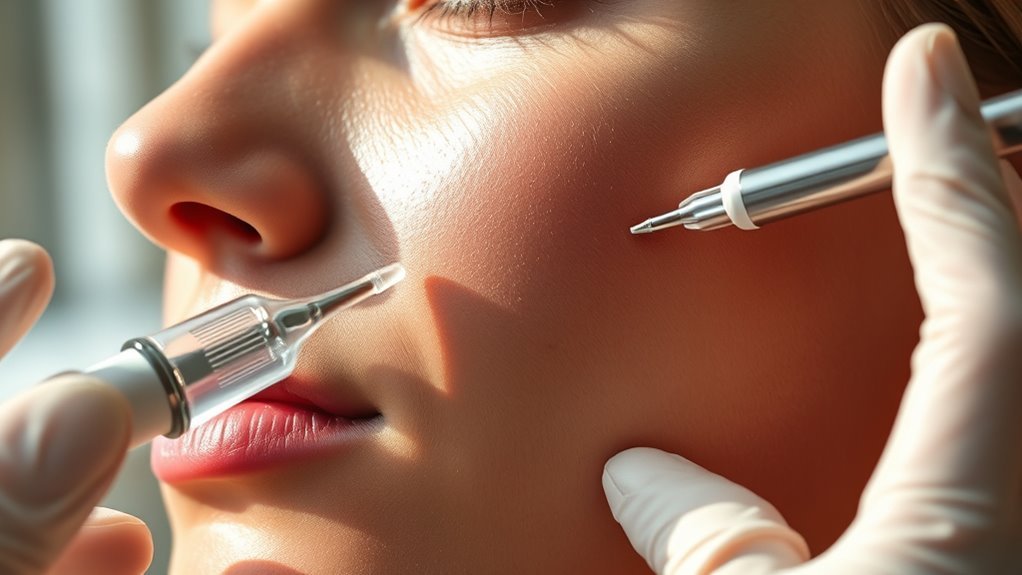
Who should consider PRP skin treatments? If you’re seeking natural renewal without harsh chemicals, PRP can align with your goals. You’ll benefit when you want subtle to noticeable rejuvenation, with results that compare favorably to options like lasers, while maintaining a lower risk profile. Informed decisions come from understanding long‑term value, including cost considerations and real‑world outcomes.
- You’re aiming to boost collagen and texture for aging skin or post‑acne recovery.
- You prefer autologous treatment with minimal downtime and natural appearance.
- You want a measurable results comparison over several sessions to assess progress.
Consultation helps tailor a plan that fits your budget and expectations, ensuring you feel you belong to a community pursuing evidence‑based skincare.
Safety, Downtime, and Common Side Effects
PRP skin treatments are commonly well tolerated, but it’s important to know what to expect for safety, downtime, and common side effects. You’ll likely notice mild redness, swelling, or tenderness at the treated areas for 24–48 hours. Most patients resume normal activities within a day, though you’ll want to avoid intense sun, heavy exercise, and saunas for 24–48 hours to protect results. Common side effects include pinprick sensations, minor bruising, and temporary lightheadedness if you’re needle-sensitive. Safety precautions emphasize clean techniques, allergy checks, and post‑procedure care. If you have active infections or anticoagulant use, discuss timing with your clinician to optimize downtime expectations.
| Aspect | Guidance |
|---|---|
| Infection risk | Minimize with sterile technique |
| Bruising | Occurs, typically resolves quickly |
| Pain level | Mild, manageable with intent care |
| Activity | Avoid strenuous exertion 24–48h |
| Aftercare | Sunscreen, gentle cleansing, moisturize |
PRP With Microneedling Vs PRP Alone: a Quick Comparison
Is adding microneedling to PRP worth it for skin rejuvenation? In short, yes—but with nuance. PRP blooming typically yields quicker texture improvements and more uniform tone when paired with microneedling, compared with PRP alone. You’ll benefit from enhanced collagen synthesis and deeper nutrient delivery, though results vary by skin type and treatment schedule. Consider the following to gauge value and costs:
- Effect size: microneedling accelerates PRP penetration, potentially boosting patient satisfaction.
- Treatment cadence: expect staggered sessions; occasional PRP-only boosts may be sufficient for milder concerns.
- microneedling costs: upfront investment varies by clinic, device, and package options; inquire about bundled plans.
Is PRP + Microneedling + Mesotherapy Right for You?
If you’re considering combining PRP with microneedling and mesotherapy, it’s vital to weigh how each component targets your skin concerns and how they work together. In short, PRP supplies growth factors that support collagen and elastin, microneedling creates microchannels to improve absorption, and mesotherapy delivers nutrients to deeper layers. When aligned to your goals—fine lines, texture, or dull tone—these modalities can collaborate for refreshed skin. Yet, results vary by skin type, age, and medical history, so a personalized plan is indispensable. Beware an unrelated topic or off-topic comparison that distracts from your specific concerns. A clinician should set realistic expectations, outline a staged treatment schedule, and monitor your response to avoid over-stimulation or downtime. This evidence-informed approach helps you decide if it’s right for you.
Frequently Asked Questions
How Long Does It Take to See Noticeable Glow?
Soon after treatment, you’ll start noticing a subtle glow within a few days, with more pronounced radiance around two to four weeks. Glow timing varies by skin type and technique, but many see improvement by the first post-procedure month. Expect a brief recovery duration—minor redness or swelling may last 24–72 hours. Stay consistent with aftercare; if you’re in accord with expert guidance, you’ll feel more confident, connected, and part of a proven, evidence-based glow community.
Are There Risks Unique to Mesotherapy With PRP?
Yes, there are mesotherapy risks, including PRP specific complications, that you should consider before starting treatment. You may experience transient swelling, bruising, or soreness at the injection sites, and rare infections or allergic reactions can occur. Factor in mesotherapy risks like hematoma or uneven results. You’ll want to choose a qualified clinician, discuss anticoagulants, and review sterile technique. Evidence-based practice emphasizes informed consent, monitoring, and clear aftercare to minimize PRP specific complications.
Can PRP Therapy Be Combined With Other Facials?
Can PRP therapy be combined with other facials? Yes, with careful planning you can pair PRP with certain facials, but it depends on your skin goals and timing. PRP compatibility varies by treatment and clinician. For safe results, align PRP sessions with post-facial downtime and follow professional guidance. Plan facial scheduling around PRP sessions, and ensure you discuss risks and benefits openly to foster belonging and confidence.
How Many Sessions Are Typically Required?
Typically, you’ll need 3 to 4 sessions, spaced about 4 to 6 weeks apart, to see meaningful results. Your plan should include sessions guidance tailored to your skin type and goals, with adjustments as you progress. Safety considerations matter most: a trained clinician, sterile tools, and proper post-care are essential. You’ll know you’re on track when improvements accumulate gradually and you feel confident in the treatment’s safety and your continuing glow.
Is PRP Effective for Acne Scars Specifically?
Yes, PRP can help acne scars, with improvements most evident after consistent sessions. You’ll likely see texture and tone gains as platelets release growth factors that boost collagen. Is acne scars improved by PRP? Evidence suggests moderate benefit, especially when combined with microneedling or dermal rollers. You belong in a skilled, evidence-based plan—ask about personalized sessions, expected timelines, and safety. If you commit, you may notice smoother, more confident skin over several treatments.
Disclaimer: This content is for educational purposes only. Individual results may vary. Always consult a qualified practitioner before starting treatment.