
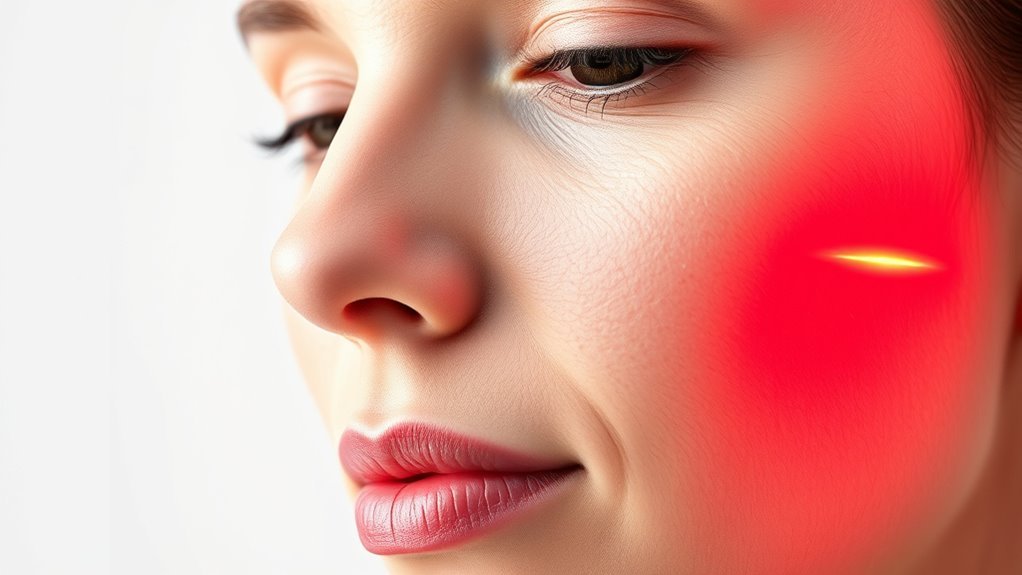
Red light therapy delivers specific red wavelengths to your skin, penetrating past the surface to boost cellular energy via mitochondrial pathways and raise ATP production. This supports collagen synthesis, repair, and turnover with minimal heat. For home use, choose devices with proven irradiance, appropriate spot size, and clear safety features, and follow calibrations and patch tests. Expect gradual improvements over weeks, with sessions 3–5 times weekly for 10–20 minutes. When used correctly, safety is high; more details await as you explore further.
How Red Light Therapy Works for Skin
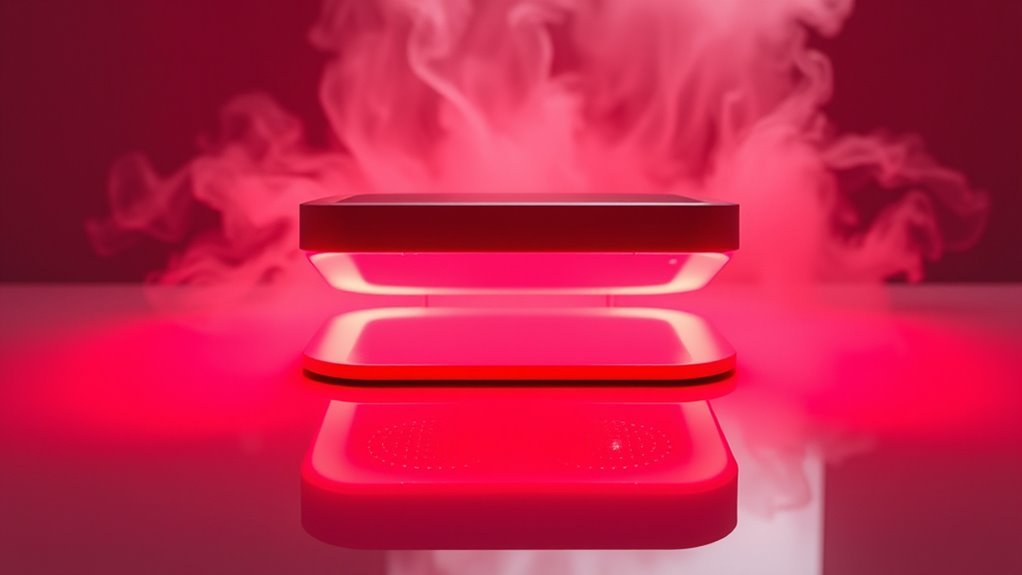
Red light therapy works by delivering specific wavelengths of red light to the skin, which penetrates the outer layers and reaches deeper cells. You’ll notice that this exposure modulates cellular metabolism without heat damage, supporting a functional skin barrier. In practical terms, red light interacts with mitochondrial pathways, enhancing adenosine triphosphate production and reducing oxidative stress. This drives evidence of improved cellular repair and turnover, conforming with anti aging goals. You may also see upregulation of collagen synthesis as fibroblasts respond to energy availability, contributing to skin resilience. The approach is diagnostic: effects are measurable, time-dependent, and vary by exposure dose and frequency. If you’re pursuing clearer texture and tone, red light offers a science-backed option that fits a routine focused on belonging and consistency.
Getting Started at Home: Wavelengths, Devices, and Safety Essentials
To begin at home safely and effectively, you’ll want a clear map of wavelengths, device types, and safety checks before you begin. In practice, wavelength selection matters: align red wavelengths with your skin goals and ensure consistent delivery. Choose devices that offer clinically supported irradiance, spot size, and treatment duration, and verify calibrated output to track progress. Prioritize device safety: use devices with certified safety features, eye protection, and correct power settings; regularly inspect cords, housings, and filters for wear. Follow manufacturer protocols and start with shorter sessions, gradually increasing as tolerated. Document your response and maintain clean, dry skin during use. Avoid unverified devices or extreme intensities. When in doubt, consult a clinician to confirm suitability and prevent adverse reactions. Belonging grows with responsible, informed practice.
Realistic Results and Timelines
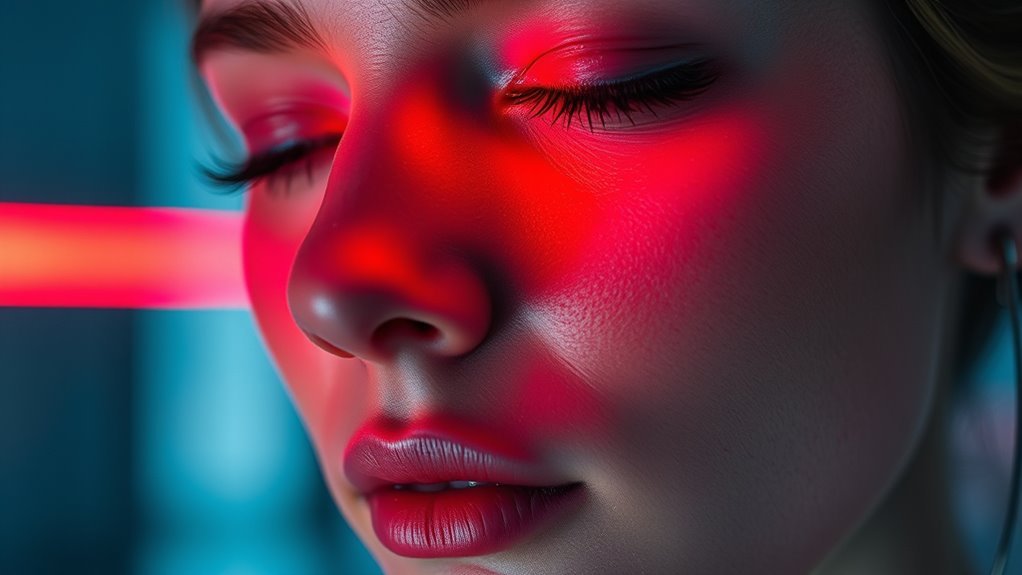
Realistic expectations are grounded in how red light therapy interacts with skin biology and how your routine is applied. You’ll typically notice subtle improvements in skin texture, tone, and brightness after consistent sessions, with results accumulating over weeks rather than days. In a clinic or home setting, expect a gradual shift rather than dramatic, immediate change. Realistic timelines vary by skin type, condition severity, and adherence to treatment frequency. Most people report incremental gains after 4 to 8 weeks of regular use, then maintenance sessions to sustain benefits. Acknowledge expected variability due to factors like hydration, sleep, and sun exposure, which can modulate outcomes. If you observe stagnation beyond several weeks, reassess consistency, exposure, and device parameters to align progress with your goals.
Safety, Contraindications, and Best Practices
How safe is red light therapy for your skin, and what should you watch out for? You’ll find this guidance grounded in evidence, with a practical lens on safety contraindications, best practices, and device hygiene. When used correctly, red light therapy safety is high, but consider skin sensitivity, photosensitivity medications, and pregnancy status as potential cautions. Always opt for devices with appropriate irradiance and wavelengths, and avoid overuse to prevent irritation. Follow these best practices to minimize risk:
- Verify device specs, perform patch testing, and monitor response.
- Maintain clean, sterilized panels before and after sessions.
- Adhere to recommended session length and frequency, and consult a clinician for contraindications. This approach supports safe, effective use while fostering a sense of belonging through informed choices.
Integrating Red Light Therapy Into Your Routine
Integrating red light therapy into your routine requires a practical, evidence-based approach that fits your daily habits. To start, map when you already allocate time for self-care, then insert a brief session—typically 10–20 minutes, 3–5 times weekly. Prioritize consistent timing to reinforce habit formation and measurable results. Track your skin response over 4–6 weeks, noting changes in tone, texture, and any irritation. Choose sessions that align with cozy routines: a calming pre-bed ritual or a dedicated morning check-in, fostering routine adherence. Ensure tech compatibility with your devices and power sources; verify output wavelengths, irradiance, and safety features match manufacturer guidance. Maintain realistic expectations: visible improvements vary, but consistency drives diagnostic improvements and sustained comfort. If benefits plateau, reassess frequency, duration, and device fit within your overall regimen.
Home Devices vs. Professional Treatments: Which Is Right for You
Home devices offer convenient, ongoing use with lower upfront costs, but professional treatments provide higher-intensity sessions and clinician oversight. You’ll weigh practical access and maintenance against potential for faster, more controlled results when you need reliable, evidence-backed outcomes. This discussion sets up comparing the pros of home devices with the pros of professional treatments to help you decide what aligns with your skin goals and budget.
Home Devices Pros
When deciding between home devices and professional treatments for red light therapy, you’ll want to weigh practicality, cost, and results. Home devices can offer consistent access and privacy, but you must assess safety essentials before use. Evidence shows that proper device selection and regimen yield measurable skin benefits when aligned with your goals. Below are concise considerations:
1) Home devices: Choose FDA-cleared models with proven wavelengths and intensity; follow maintenance and hygiene guidelines.
2) Routine: Establish a predictable schedule, monitor response, and avoid overuse to minimize irritation.
3) Safety essentials: Use eye protection, adhere to manufacturer instructions, and consult a clinician if you have photosensitivity or skin conditions.
This approach supports belonging, confidence, and informed decision-making for your skincare journey.
Professional Treatments Pros
Professional treatments offer concentrated energy delivery, oversight by licensed clinicians, and access to advanced modalities that may yield faster or more dramatic results for stubborn concerns. You’ll benefit from controlled dosimetry, standardized protocols, and rigorous safety measures that reduce downtime and adverse effects. In practice, clinical efficacy is supported by controlled trials and clinician assessments, giving you a clearer expectation of outcomes for conditions like persistent redness, uneven texture, or scar visibility. Nevertheless, these advantages come with higher cost, scheduling commitments, and limited accessibility compared to home devices. If you prioritize optimized results, personalized guidance, and consistent follow-up, professional treatments may be the right choice. Consider your goals, tolerance for downtime, and budget to determine whether professional treatments or at-home options align with your sense of belonging and care.
Frequently Asked Questions
Can Red Light Therapy Cause Skin Color Changes or Pigment Issues?
Red light therapy can cause temporary, minor skin colorations or pigment changes in some people, but lasting issues are uncommon. You might notice subtle lightening or darkening after sessions, especially if you have a history of melasma or sun sensitivity. Typically, effects are dose-dependent and reversible with sun protection and proper timing between treatments. If changes persist or worry you, consult a clinician to adjust intensity, duration, or treatment frequency.
Do Other Wavelengths Enhance Results When Combined With Red Light?
Yes, combining wavelengths can improve results by targeting inflammation management and photoaging repair more broadly. You’ll often see red or near-infrared paired with blue or green to address inflammation, bacteria, and superficial coloration, potentially boosting outcomes. However, effects vary by skin type and device, so set realistic goals and follow guidance from a clinician. Track inflammation markers and recovery, and ensure consistent sessions for balanced, evidence-based improvements.
How Long Before You Can See Improvements in Scars Specifically?
Empathy, not hype, guides healing: you’ll often see scar reduction timeline improvements within 4 to 12 weeks of consistent red light therapy. For most, noticeable changes coincide with the scar tissue remodeling period, where collagen realigns and surface texture improves. You may need ongoing sessions to sustain results. Keep expectations grounded: results vary by age, skin type, and scar severity, and track progress with photos and clinician guidance.
Is Red Light Therapy Safe for Sensitive or Reactive Skin Types?
Yes, red light therapy can be appropriate for sensitive or reactive skin, but you should approach it cautiously. Start with a medical-grade device at low power and short sessions, and monitor for redness, itching, or irritation. If you have active dermatitis or rosacea, consult a clinician first. Consider safety considerations like patch testing and avoiding overexposure. If you notice worsening skin sensitivity, discontinue and reassess—your skin’s comfort and safety matter most for belonging and trust.
Can Red Light Therapy Replace Topical Skincare Products?
Red light therapy can’t fully replace topical skincare products. It supports skin health (red light skincare) but doesn’t deliver all actives like hydrators, antioxidants, and sunscreen you rely on daily. Think of it as a supplement, not a substitute, for routine care. If you’re seeking inclusion and evidence, pair sessions with a customized SPF, moisturizer, and targeted serums. Use it as part of a thorough regimen, not a complete topical product replacement.
Disclaimer: This content is for educational purposes only. Individual results may vary. Always consult a qualified practitioner before starting treatment.