

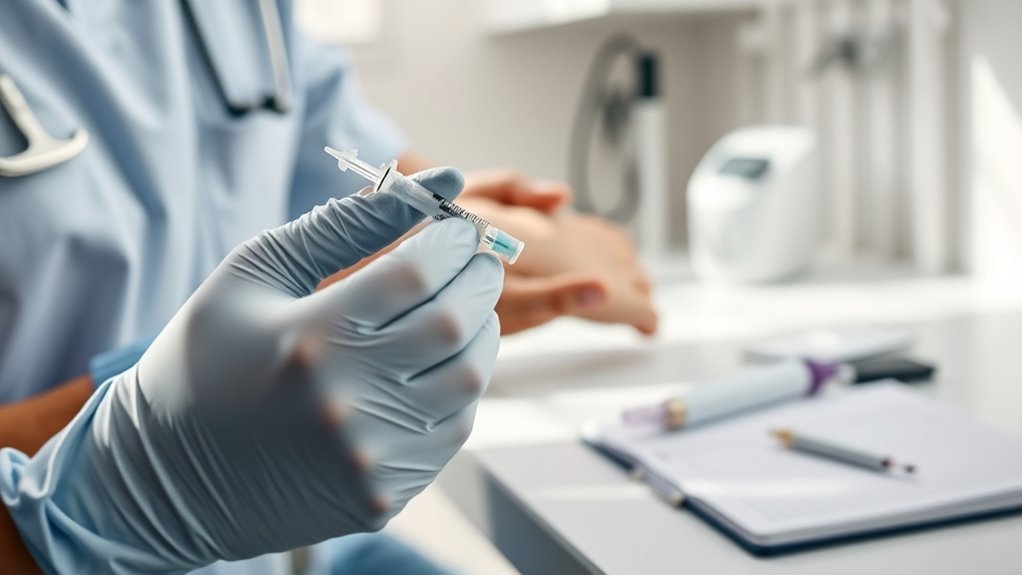
Your smooth PRP recovery starts with gentle care: expect minor soreness, mild swelling, and transient bruising in the first 72 hours, which usually fade in a few days. Reduce pain with brief cooldowns, light activity, compression, elevation, and hydration; avoid routine NSAIDs if advised. Monitor for fever, spreading redness, severe pain, or new neurological symptoms—seek prompt care if these occur. Resume activity gradually and stay coordinated with your care team; more tips await to support your smoother path.
Common PRP Side Effects in the First 72 Hours
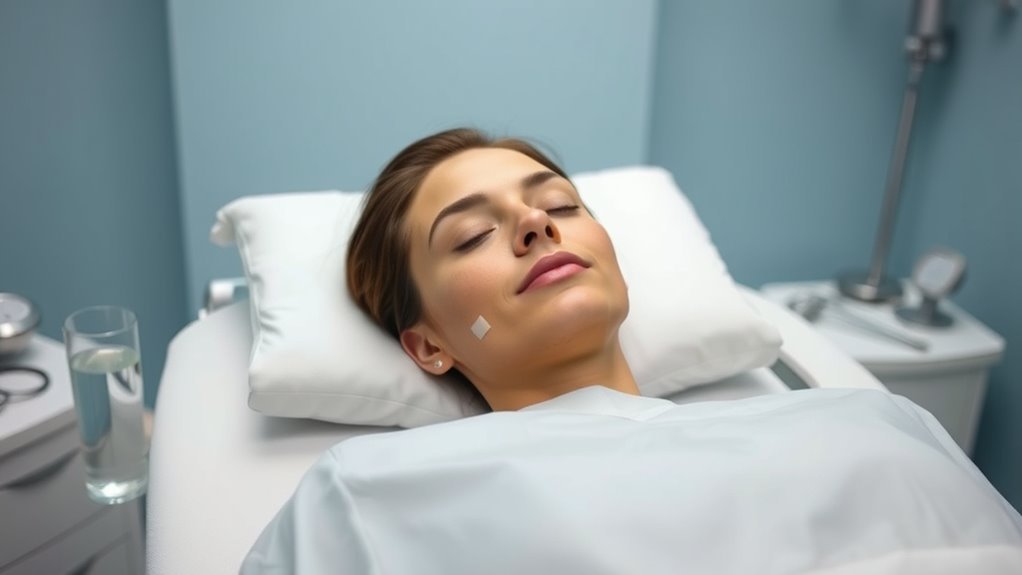
Common side effects during the first 72 hours after PRP injections are usually mild and short-lived. You may notice soreness at the injection site, mild swelling, and transient bruising, which typically resolve within a few days. These effects reflect normal tissue response to PRP preparation and concentration of platelets. To minimize discomfort, apply cold packs as advised and avoid strenuous activities for 24 to 48 hours. Hydration and gentle movement can support healing, but listen to your body and rest if needed. Be aware of rare but possible fever or increasing redness, which would prompt medical review. If you have known PRP contraindications, discuss timing and preparation with your clinician. This information supports belonging, safety, and informed participation in your care.
Strategies to Minimize Swelling, Redness, and Bruising After PRP
If you experienced mild swelling, redness, or bruising after PRP, you’re not alone, and these effects are typically temporary. To minimize these responses, follow evidence-based post-procedure skincare routines that focus on gentle cleansing, hydration, and sun protection. Apply a cold compress during the first 24 to 48 hours to reduce swelling, then switch to warmth as advised by your clinician to relax tissues without increasing inflammation. Avoid aggressive rubbing, and skip abrasive products for several days. Consider arnica or vitamin C serums only if your provider approves, as some ingredients may irritate early recovery. For travel considerations, pack a small cold-pack and sunscreen, and plan lighter schedules during the initial days. Hydration and sleep support steady healing and comfort.
Managing PRP-Related Pain and Sensitivity Without Compromising Results
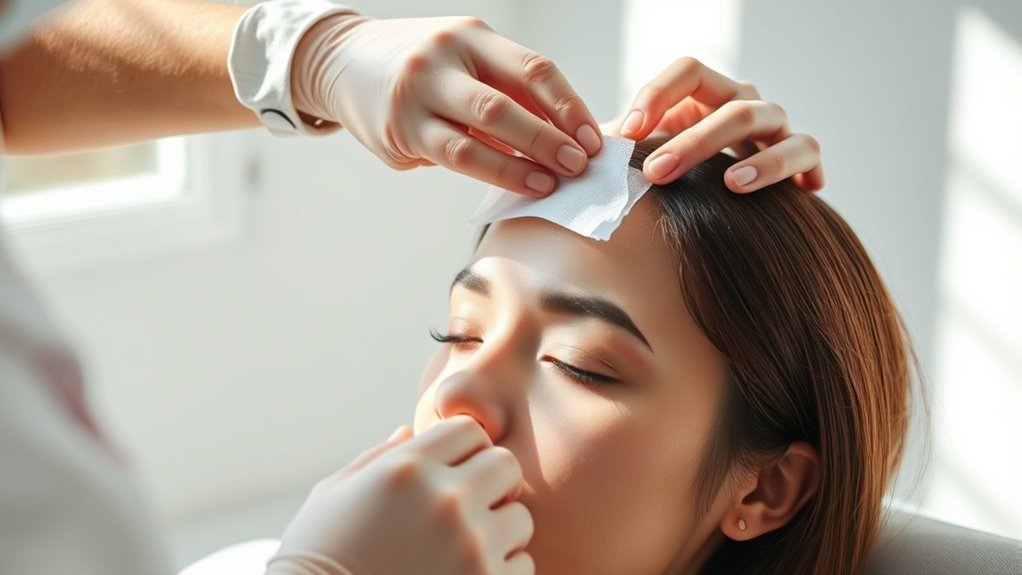
You can ease PRP-related pain and sensitivity without sacrificing results by using targeted pain reduction tactics, such as appropriate analgesia and local cooling as advised. Pair these with sensitivity management techniques like gradual exposure, pacing activities, and protecting treated areas to minimize discomfort. This approach aims to maintain treatment efficacy while supporting a smoother, more comfortable recovery.
Pain Reduction Tactics
Pain after PRP injections is common, but practical strategies can lessen discomfort without undermining results. You’ll benefit from a brief cooldown period post‑procedure and gentle, low‑impact activities to support circulation without stressing treated vessels. Plan for immediate, light‑pressure compression and elevation as advised by your clinician to reduce swelling and pain awareness. Over‑the‑counter analgesics should align with medical guidance, avoiding routine NSAID use if contraindicated. Cold therapy in the first 24 hours can dampen inflammatory signals and bruising, while gradual return to normal movement supports tissue healing. Hydration, sleep, and timed meals bolster recovery, reinforcing bruise notoriety as a transient marker rather than a persistent problem. Communicate any unusual pain spikes or numbness to your care team promptly.
Sensitivity Management Techniques
Could sensitivity after PRP be managed without dulling results? Yes, with targeted strategies that respect both comfort and efficacy. Begin with precise technique: proper needle size, sterile preparation, and accurate injection depth minimize unnecessary tissue trauma, reducing post-procedure sensitivity. Post-care pain control should be evidence-based and individualized—consider topical anesthetics or short-acting analgesics only as needed, avoiding overuse that might mask early warning signs. Monitor for inflammatory flare and adjust activity accordingly, delaying strenuous workouts if recommended by your clinician. Safety troubleshooting involves clear patient education on expected timelines, warning signs, and when to seek help. Communicate openly about sensations, risks, and goals to promote belonging and adherence, ensuring you feel supported throughout recovery.
When to Resume Activity and How to Time Exercise After PRP
After PRP treatment, your timeline for resuming activity and reintroducing exercise should be guided by your clinician and your symptom course. In general, you’ll progress gradually, listening to how your body responds over the first week. Expect mild soreness at the injection site that fades within 24 to 48 hours, with a slower return to full activity if swelling persists. Your recovery timeline is individualized, but many patients begin light, low-impact movements within 48 to 72 hours if tolerated. Focus on pain-free ranges of motion before adding resistance or impact. Prioritize daily gentle movement, monitor swelling or heat, and follow clinician guidance on when to advance intensity. Return to activity should be deliberate, not rushed, aligning with objective improvements and comfort.
Nutrition, Hydration, and Rest for Faster PRP Recovery

What you eat, drink, and rest truly matters for PRP recovery, and small choices can support healing timelines. In practical terms, follow solid nutrition guidance that emphasizes balanced protein, healthy fats, and colorful vegetables to support tissue repair and inflammation control. Prioritize adequate energy without overeating, and distribute protein across meals to maximize amino acid availability for healing. Hydration timing matters too: sip water regularly, especially around procedures and activity, to maintain plasma volume and tissue perfusion. Rest supports recovery by reducing stress hormones and aiding collagen synthesis. Avoid excessive alcohol and highly processed foods, which can hinder healing. Keep a steady routine, monitor how you feel, and adjust intake to your activity level and comfort.
Coordinating PRP With Other Therapies and Medications
Coordinating PRP with other therapies and medications requires clear planning and patient-centered communication. You’ll assess timing, contraindications, and potential interactions so your treatment plan works harmoniously. First, share all supplements, NSAIDs, anticoagulants, and herbal remedies you’re taking, because these can affect platelet activity or healing. Your clinician will advise on therapy compatibility and whether temporary adjustments are wise. When adding physical therapy, medications, or regenerative procedures, confirm sequencing to maximize PRP benefits without overlap or redundancy. Evidence supports coordinated care and documented goals, so you stay informed and involved. If you have concerns about combining treatments, ask for written guidance and rationale, and schedule follow-ups to monitor responses. You deserve a plan that supports safe, steady, evidence-based progress.
Red Flags After PRP That Require Quick Clinician Follow-Up
Watch for signs that suggest a need for prompt clinician input, such as increasing or severe pain, swelling, or warmth at the treatment site. Immediate action indicators include fever, spreading redness, chest pain, or difficulty breathing, which warrant urgent medical evaluation. If you notice any new or escalating symptoms, schedule a quick consult with your clinician to assess potential complications.
Signs Requiring Follow-Up
After PRP treatment, you should seek quick clinician follow-up if you notice red flags such as increasing or severe pain, swelling that doesn’t improve after 48 hours, fever, chills, or spreading redness around the injection site. These signs may indicate infection or complications requiring prompt assessment. In a clinic setting, clinicians confirm progression, adjust care, and discuss recovery timeline and treatment accessibility options. Be mindful that early evaluation supports safer return to activities and reduces anxiety through evidence-based guidance. Below is a quick reminder table to summarize key concerns.
| Warning signs | Immediate action |
|---|---|
| Severe pain | Contact provider now |
| Fever | Seek urgent care |
| Rising redness | Schedule same-day follow-up |
| Swelling persists | Reassess in 48 hours |
Immediate Action Indicators
What red flags after PRP require quick clinician follow-up, and why is timely evaluation crucial? You deserve prompt clarity if symptoms worsen or suggest infection or improper injection. Early action can prevent complications and support safer recovery.
- Sudden severe headache with neck stiffness or fever
- Escalating facial numbness, weakness, or vision changes
- Severe or spreading swelling, warmth, or red streaks at the injection site
- New or worsening chest pain, shortness of breath, or dizziness
In addition, report persistent headaches affecting sleep optimization or changes in sleep quality, as these may signal underlying issues. You should seek evaluation promptly if symptoms persist beyond 24–48 hours or intensify. Your goal is steady, safe progress toward headache relief and overall well-being. Trust your clinician’s guidance for tailored care.
Clinician Consultation Triggers
PRP side effects can vary, so knowing when to reach out to your clinician is key. You should seek quick follow-up if you notice escalating pain beyond expected levels, a fever over 101°F (38.3°C), spreading redness, warmth, or swelling near the injection site, or if you develop new fatigue that feels unusual or persistent, potentially indicating infection or an inflammatory reaction. Neurologic symptoms such as tingling, weakness, or numbness extending beyond the treated area deserve urgent assessment. If you can’t access your usual clinic, ask about telemedicine options to ensure timely guidance. Attention fatigue, when paired with worsening symptoms, warrants clinician input to rule out complications. Maintain clear clinic access details and report changes promptly to support safe, effective recovery.
Frequently Asked Questions
How Soon Can I Drive After a PRP Session?
Driving after treatment is typically not advised immediately; you should wait until you’re fully alert and confident, often several hours or the next day, depending on your clinician’s guidance. After a PRP session, observe for dizziness or confusion and avoid driving during any recovery window. Post procedure timing varies by provider and site, so follow your doctor’s specifics. You’re seeking belonging, so discuss concerns with loved ones and plan safe transportation. If in doubt, don’t drive.
Will PRP Affect My Daily Vitamins or Supplements?
Yes, PRP can interact with some vitamins and supplements. You should expect minor effects on healing times if you take high-dose anti-inflammatories or anticoagulants, but general vitamins usually don’t disrupt PRP. Key points: PRP vitamin interactions are unlikely with standard multivitamins; verify any herbal or blood-thinning supplements. Plan supplement timing so you’re consistent, not skipping meals. Follow your clinician’s guidance on supplement timing and avoid adding new supplements during the procedure window.
Can I Wear Makeup or Skincare Over Treated Areas?
“Keep it simple, and you’ll find a smoother path.” Yes, you can wear makeup and skincare over treated areas, but choose gentle, non-irritating products and apply lightly. Do not rub or scrub, and avoid active ingredients like retinoids or acids for at least 48 hours unless your clinician advises otherwise. For makeup safety, use clean brushes and non-comedogenic formulas. Focus on skincare postcare: patch test, sunscreen, and gentle cleansing to support healing.
Is There a Risk of Infection After PRP Injections?
Yes, there is a small risk of infection with PRP injections. You should follow sterile technique, care for the treated area, and watch for redness, swelling, warmth, or pus. If you notice infection signs, contact your clinician promptly. Is PRP infection possible, yes, but low when performed properly. Infection risks drop with clean hands, proper aftercare, and avoiding picking or scratching. Trust your team’s guidance and report unusual symptoms right away.
Will PRP Interfere With Upcoming Surgeries or Imaging?
Rushing toward healing, you should know PRP won’t inherently derail surgeries or imaging. Interactions are unlikely, but discuss timing with your surgeon and technician. PRP interactions and imaging scheduling matter; synchronize injections away from planned scans or procedures. Evidence-based planning helps you belong in the care team. Keep your medical team informed, share your upcoming dates, and follow recommended intervals to minimize any interference and guarantee accurate imaging and surgical planning.
Disclaimer: This content is for educational purposes only. Individual results may vary. Always consult a qualified practitioner before starting treatment.