

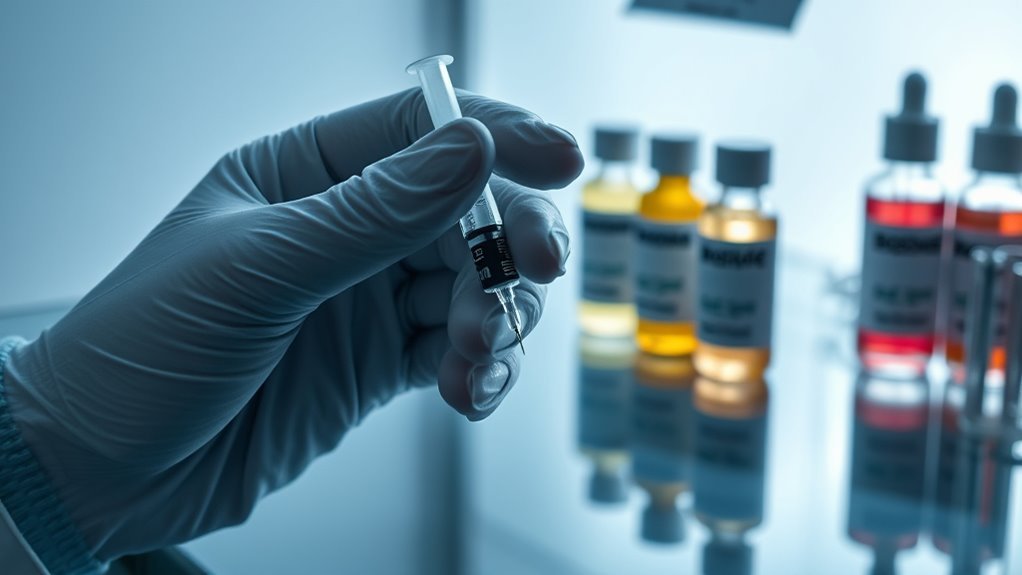
Peptide injections deliver bioactive sequences directly to skin cells, boosting collagen synthesis, improving texture and hydration, and offering more consistent signaling than topical options. They target fibroblasts, keratinocytes, and immune cells, supporting extracellular matrix remodeling while modulating inflammation. Results typically emerge over weeks and accumulate with repeated sessions, under careful clinical supervision. Safety hinges on sterile technique, pre-treatment screening, and monitoring for irritation or infection; expect discussions on dosing, storage, and costs. If you push further, you’ll uncover practical questions to ask your clinician.
Are Peptide Injections Right for Your Skin Goals?

Are peptide injections the right fit for your skin goals? Evidence supports targeted peptide regimens for collagen support and signaling, but individual response varies. You’ll want to assess baseline skin condition, history of injections, and clinician expertise to gauge potential benefits and risks. Common expectations are gradual improvement in texture and tone, with maintenance shaped by dosing and product quality. Be mindful of hands on myths that promise rapid, dramatic results; authentic change requires consistent treatment and proper technique. Storage considerations matter: peptide formulations should be kept refrigerated, protected from light, and used within recommended windows to preserve potency. Discuss realistic timelines, potential adverse effects, and monitoring plans with your clinician, ensuring alignment with your goals and a sense of shared decision-making.
How Peptide Injections Differ From Topical Peptides
Peptide injections and topical peptides differ fundamentally in delivery, bioavailability, and initiation of signaling pathways. You’ll notice injections bypass surface barriers, delivering peptides directly to targets, whereas topicals rely on skin penetration and gradual exposure. This difference shapes stability, onset, and consistency of effects.
- peptide stability under physiological conditions
- topical absorption limits and variability
- concentration control and dosing precision
- time-to-response for visible changes
- clinical monitoring and safety considerations
In clinical practice, this translates to more predictable signaling with injections and potentially variable, slower responses with topicals. Your choice depends on goals, adherence, and tolerability, all evaluated alongside evidence-based data. By understanding these mechanisms, you align decisions with your skin-bringing values of consistency, reliability, and belonging in a care-informed community.
Which Skin Processes Do Peptide Injections Target

Peptide injections are designed to modulate key skin signaling pathways by delivering bioactive sequences directly to target cells, enabling precise activation or suppression of processes such as collagen synthesis, extracellular matrix remodeling, and inflammatory responses. In practice, you’ll encounter targeted effects on fibroblast activity, keratinocyte behavior, and immune cell signaling, contributing to improved dermal structure and balance. Mechanistically, peptide synthesis yields sequences that bind receptors or influence transcription factors, supporting controlled remodeling without wholesale tissue disruption. This approach can enhance matrix deposition and epithelial resilience while mitigating excessive inflammation that accelerates aging. You’ll also see interactions with the skin microbiome, where peptides may subtly influence microbial cues that affect barrier function. Clinicians emphasize individualized planning, monitoring, and realistic expectations for timing, synergy with skincare, and maintenance.
What the Clinical Evidence Says: Outcomes and Timelines
What does the clinical evidence show about outcomes and timelines after peptide injections for skin health? You’ll find that results vary by peptide type, baseline skin condition, and treatment schedule, with measurable changes typically emerging over weeks and continuing through months. Evidence supports modest to moderate improvements in texture, firmness, and hydration when protocols maximise peptide stability and consistent delivery methods. Increases in collagen synthesis and smoother appearance are commonly reported, though patient-specific timing differs.
- Peptide stability influences onset and durability of effects
- Early improvements often appear within 2–6 weeks
- Cumulative gains accrue with repeated sessions
- Delivery methods affect absorption and consistency
- Long-term benefits depend on maintenance schedules
Safety, Risks, and When to Pause or Stop

You should follow established safety precautions before, during, and after peptide injections to minimize adverse effects. Potential risks include local irritation, allergic reactions, and infection, which require clear monitoring and timely reporting. If symptoms arise or exceed expected tolerability, pause treatment and consult your clinician to reassess suitability and dosing.
Safety Precautions First
Despite the potential benefits, peptide injections carry safety considerations that warrant careful attention before, during, and after treatment.
You should review safety concerns and ethical considerations with your clinician to ensure alignment with your goals and values. The plan should emphasize evidence-based steps, monitoring, and informed consent.
- Pre-treatment screening and medical history
- Realistic expectations and transparent discussion of limits
- Sterile technique, dosed protocols, and proper storage
- Clear guidance on signs demanding pause or cessation
- Ethical considerations, privacy, and ongoing clinician accountability
During and after care, document symptoms, and report adverse effects promptly. If uncertainty arises, pause and seek guidance. Your collaboration with your clinician supports safety, fosters trust, and upholds responsible practice as you pursue skin health and well-being.
Identifying Potential Risks
Given the potential risks associated with peptide injections, identifying when to pause or stop is essential for safety. You should recognize common adverse effects such as local irritation, infection signs, or unexpected swelling, and report them promptly. In this setting, identifying risks involves weighing short- and long-term concerns against anticipated benefits, guided by clinical history and allele-agnostic responses. Your clinician may implement risk mitigation strategies, including starting at lower doses, gradual titration, and close observation for 24–72 hours after treatment. Documented contraindications and allergy history help refine choices. Develop a shared safety plan that defines clear red flags and escalation steps. This approach emphasizes informed consent, ongoing monitoring, and patient engagement, reinforcing trust while prioritizing personalized risk management and your long-term skin health.
When to Pause Treatment
When to pause treatment hinges on recognizing early signals of adverse effects and mismatches with your clinical history. You should monitor for pause criteria that indicate safety concerns rather than cosmetic benefit alone, and be prepared to halt if unexpected reactions emerge. Your clinician will help you weigh risks, benefits, and timelines, ensuring decisions align with evidence and your wellbeing.
- pause criteria: new or worsening symptoms, systemic intolerance, or lab-based flags
- unexpected reactions: rashes, swelling, persistent discomfort, or functional changes
- decision framework: weight severity, duration, and reversibility
- alternative plans: adjust dose, interval, or switch peptides with clinician input
- documentation: record timing, symptoms, and interventions for follow-up
If uncertainty persists, err on the side of safety and re-evaluate with your clinician.
Costs, Sessions, and Practical Planning
Pricing considerations and scheduling impact your planning for peptide injections. We’ll outline a clear cost breakdown and practical session-frequency options, anchored in typical clinical protocols and insurance or cosmetic guidelines. This will help you estimate total investment and coordinate appointments efficiently.
Cost Breakdown Planning
Estimating costs for peptide injections involves mapping per-session expenses to the total number of planned treatments, accounting for potential maintenance regimens and facility fees. You’ll assess upfront and ongoing costs, then translate them into a clear plan that reflects your goals and budget. Inflation impact, insurance coverage, and local pricing variance shape your anticipated outlay, so you compare quotes from qualified clinics and review any bundled options.
- Per-session fee and expected treatment count
- Maintenance phase costs and frequency
- Facility, administration, and supply charges
- Insurance interaction and reimbursement potential
- Contingency for changes in plan or treatment duration
This approach supports informed decisions, aligns with evidence-based expectations, and fosters a sense of belonging within a transparent care community.
Session Scheduling Tips
Careful scheduling can optimize costs and outcomes by coordinating session frequency with your treatment goals and budget. You’ll align peptide injections with a realistic timeline, balancing short-term gains and long-term maintenance. Expect treatment plans to specify number of sessions, intervals, and anticipated milestones, with clear rationale grounded in peptide pharmacodynamics. Consider practical factors such as travel logistics, clinic hours, and your daily routine to minimize disruption. peptide sourcing should be verified for quality and authenticity, ensuring cold-chain integrity and validated lot numbers at each visit. Appointment reminders help you maintain consistency and reduce missed doses, supporting steady progress. Discuss contingency options for holidays or illness, and set up a transparent re-evaluation schedule to adjust frequency as needed without compromising safety or efficacy.
Key Questions to Ask Your Clinician Before Starting
What are the most important questions to ask your clinician before beginning peptide injections for skin rejuvenation? You want clear, evidence-based guidance tailored to you, focusing on safety, efficacy, and ethics. Understanding peptide sourcing and regulatory oversight helps you gauge quality and accountability.
- What specific peptides are considered, and what is their mechanism for skin rejuvenation?
- Where are the peptides sourced, and what quality controls exist?
- What regulatory oversight applies to these products in my region?
- What are the expected timelines, benefits, and potential adverse effects?
- How will your clinic monitor progress and adjust treatment plans?
Being informed supports shared decision-making, ensuring you feel confident in the plan and aligned with best practices.
How to Interpret Results and Set Expectations
How should you interpret results from peptide injections for skin rejuvenation, and what expectations are realistic? Clinical data show gradual improvements in texture, tone, and fine lines over weeks to months, with variability by individual skin biology and treatment cadence. Begin with modest, measurable goals and track changes with standardized notes or photographs. Discuss expectations honestly: initial improvements often focus on hydration and brightness, followed by subtle wrinkle reduction and tightening as collagen remodeling occurs. Interpret timelines as ranges rather than exact dates, and expect plateaus between sessions. Safety profiles are favorable when protocols are adhered to, yet you may experience transient irritation or redness. Regular clinician review helps calibrate intervals, optimize outcomes, and sustain gains through ongoing maintenance.
Alternatives and Complementary Approaches to Youthful Skin
You can broaden youthful skin benefits by considering alternatives and complementary approaches that work alongside peptide injections. Evidence supports combining skincare routines, sun protection, and healthy habits to enhance outcomes without relying on a single modality. You’ll value clarity on peptide terminology and injection logistics, while maintaining a patient-centered focus.
- Optimize sun protection and antioxidant use as foundational skin health strategies
- Integrate topical retinoids or growth factor serums as adjuncts per clinician guidance
- Emphasize consistent, evidence-based sunscreen and photoprotection
- Align lifestyle factors: sleep, nutrition, and stress management for durability
- Schedule follow-up imaging or assessments to track progress and adjust plans
These approaches foster belonging through informed choices and collaborative care.
Frequently Asked Questions
How Soon Can Results Appear After Starting Peptide Injections?
Results can appear in the short term, often within weeks, but timelines vary by individual. You may notice subtle improvements in texture and firmness first, with more marked changes over a few months. Compare efficacy vs. alternatives: peptide injections often provide gradual benefits and may align with lifestyle goals, yet other options could offer faster results. Maintain realism, monitor progress with your clinician, and adjust expectations based on objective assessments and safety considerations.
Do Injections Require Any Pre-Test or Allergy Screening?
Injections often require a pre injection screening and allergy testing to identify sensitivities before starting therapy. You’ll be assessed for allergies to components and possible reactions, ensuring safe administration. A clinician may review your medical history, medications, and prior responses to injections. If tests are negative, you proceed with confidence; if positive, alternatives can be discussed. This careful approach helps you belong in a safer, evidence-based care plan you trust.
Can Peptides Replace All Other Anti-Aging Treatments?
No, peptides can’t replace all anti-aging treatments. You’d still benefit from sun protection, lifestyle changes, and evidence-based therapies. Peptide mechanisms may support collagen and epidermal health, but treatment limitations exist and vary by individual response. Use peptides as part of a thorough plan, not a sole solution. You should discuss realistic goals, risks, and alternatives with your clinician to tailor a safe, integrative approach that helps you feel you belong in a thoughtful, scientifically grounded care team.
What Are Common Short-Term Side Effects to Expect?
Short term side effects commonly include localized injection-site reactions, such as redness, tenderness, and minor swelling, which typically resolve within 24–72 hours. You might also notice temporary itching or a mild headache. These common adverse reactions are generally transient, and your clinician can adjust technique or formulation if needed. If you experience persistent pain, fever, or spreading redness, contact care promptly; these concerns warrant evaluation to rule out infection or other complications.
How Long Do Peptide Benefits Last After Stopping?
Peptide longevity varies, but most effects wane gradually within weeks to months after stopping. You may notice diminished collagen support and hydration as your skin returns to baseline. Post treatment maintenance, including periodic booster sessions or complementary skincare, helps sustain improvements. Your clinician can tailor intervals to your biology, maximizing durability while balancing risk. Commit to consistent follow-ups, sun protection, and a regimen that supports continued peptide benefits over the long term.