
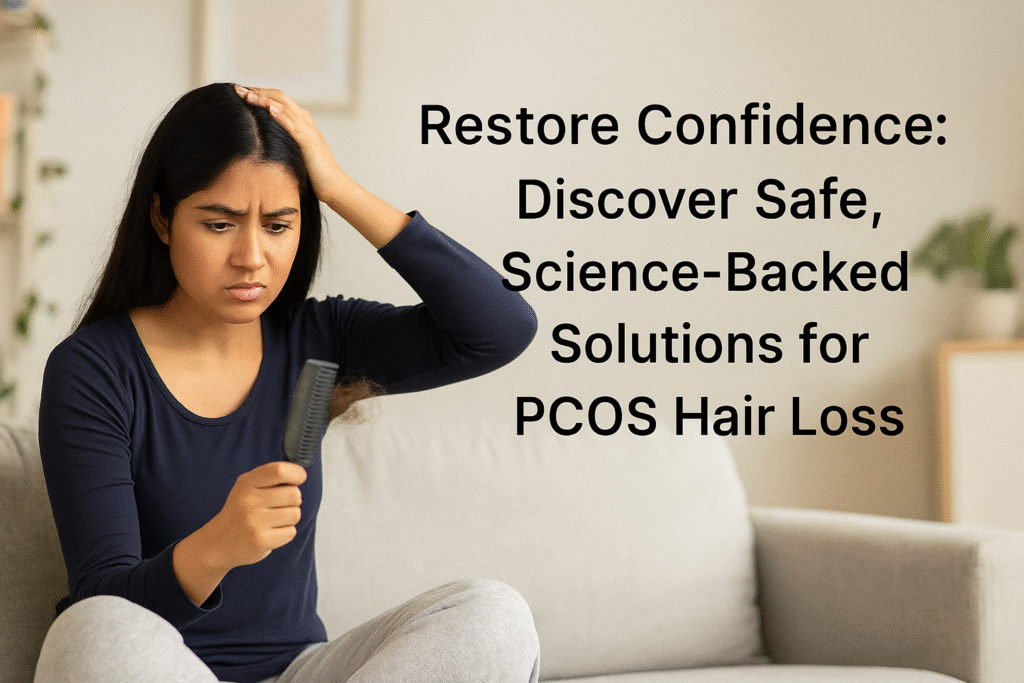
PCOS-related hair loss in Leeds stems from hormonal imbalances, especially higher androgens and insulin resistance, which drive thinning, follicle miniaturization, and disrupted growth cycles. You may notice diffuse thinning or crown shedding, with patterns tied to menstrual changes and weight shifts. Treatments balance hormones, hair biology, and lifestyle, including antiandrogens, topical minoxidil, and hormonal regulators, plus diet, sleep, and stress management. Access to NHS or private clinics affects options and cost; further guidance tailored to you awaits.
What Causes PCOS Hair Loss in Leeds
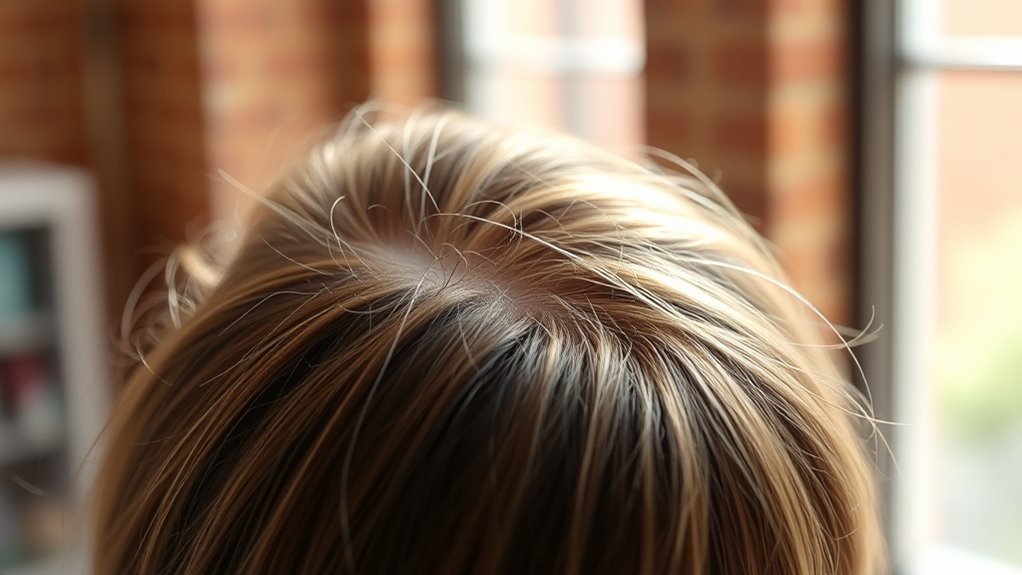
PCOS-related hair loss in Leeds is primarily driven by hormonal imbalances, especially heightened androgens like testosterone and luteinizing hormone, which can shorten the growth phase of hair and thin existing strands. In practice, you’ll see patterns consistent with androgen excess, including diffuse thinning and miniaturization of follicles. Contributing factors include insulin resistance and genetic predisposition, which can amplify androgen effects. Misdiagnosis can occur when symptoms mimic other conditions, so careful evaluation is essential. Your care team will assess history, physical findings, and, when appropriate, labs to confirm PCOS-related hair loss rather than unrelated causes. Budgeting priorities may influence treatment access, so discuss options openly with your clinician. Understanding these drivers helps you engage in decisions that support your overall well-being and belonging in care.
How PCOS Hormones Affect Hair Growth and Scalp Health
The hormonal milieu in polycystic ovary syndrome directly shapes how your hair grows and how your scalp stays healthy. In PCOS, elevated androgens and insulin resistance alter hair biology, shifting growth cycles and follicle miniaturization. You may notice thicker, coarser areas alongside thinning patches, driven by PCOS biology that disrupts normal hair cycling. Inflammation and lipid imbalances further affect scalp health, contributing to seborrhea and irritation. Understanding these mechanisms helps you engage actively with treatment options that target hormones and hair biology, rather than just symptoms. Consistent management—weight, nutrition, and medical therapies—supports healthier hair growth and scalp condition.
| PCOS biology | Hair biology |
|---|---|
| Hormonal shifts | Follicle response |
| Androgens | Growth cycle changes |
| Insulin resistance | Follicle miniaturization |
| Inflammation | Scalp health impact |
| Treatments | Outcomes |
Spotting Symptoms and Timing: When Hair Loss Signals PCOS
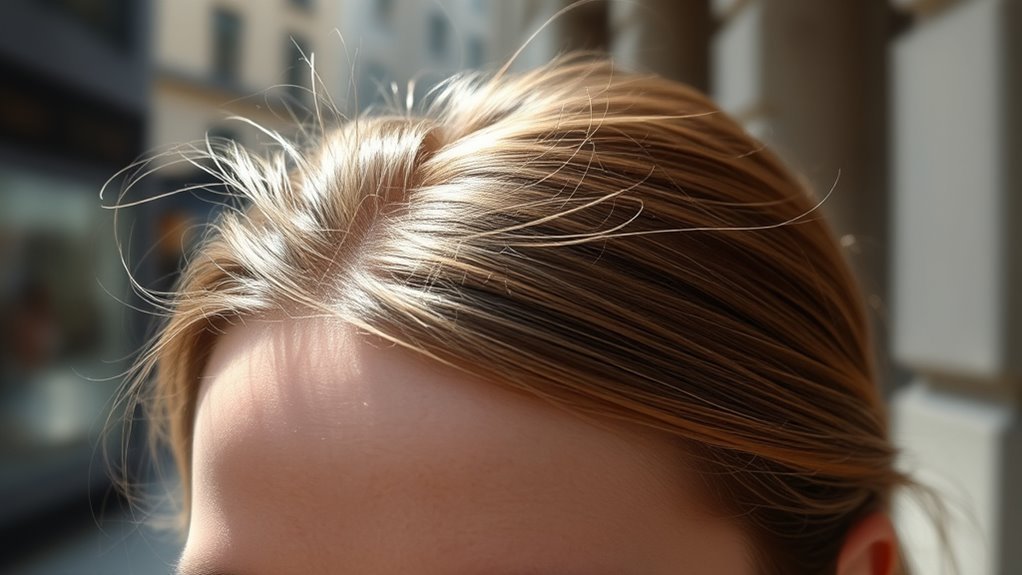
Do you know what signals hair loss beyond normal shedding might indicate in PCOS? Spotting symptoms and timing matters. You might notice thinning at the crown, more diffuse shedding, or shedding that exceeds typical daily expectations. In PCOS, hair changes often reflect hormonal fluctuations and insulin resistance that disrupt normal hair cycling. Track the pattern: gradual thinning over months, or sudden increases after a menstrual change, pregnancy, or stress. If you notice clumps in the shower or a visible reduction in ponytail volume, consult a clinician for a PCOS diagnosis. Hair shedding alone isn’t definitive, but when paired with irregular periods, acne, or weight changes it raises suspicion. Early evaluation supports personalized management and improves outcomes.
Choosing Leeds Treatments: A Practical Decision Framework
When you’re deciding on how to manage hair loss in PCOS, a practical framework helps you balance effectiveness, tolerability, and personal circumstances. In Leeds, you’ll weigh options with a clinical, evidence-based lens, while staying centered on your values and sense of belonging. Creative writing and travel photography vibes may color your preferences, but decisions should rest on measurable impact and safety.
1) Assess efficacy vs. side effects for each option, aligning with your daily routine.
2) Prioritize treatments with validated outcomes and clear monitoring plans.
3) Consider access, cost, and travel considerations to Leeds clinics.
4) Reassess regularly, incorporating fatigue, mood, and scalp tolerance into your evolving plan.
Leeds Treatments for PCOS Hair Loss: Clinics, Doctors, and Therapies
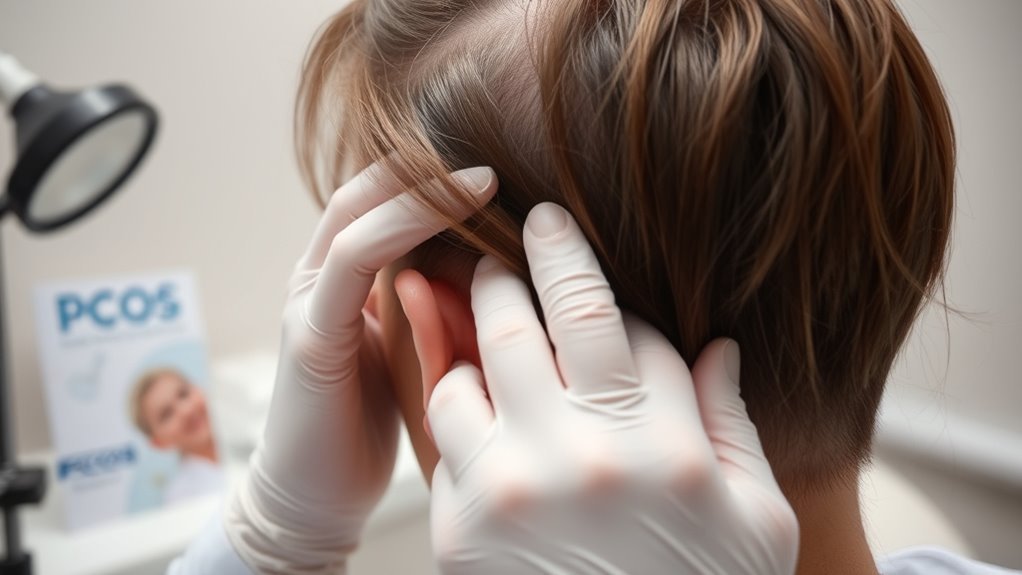
Leeds offers a range of PCOS-related hair loss treatments delivered through NHS and private clinics, with options spanning pharmacologic therapies, procedural approaches, and supportive care. You’ll find specialists in Leeds clinics who tailor plans to your hormonal profile, scalp health, and aesthetic goals. A clear assessment includes hair density measurements, scalp evaluation, and hormone testing where indicated, to guide personalized decisions. Evidence supports chosen interventions that balance efficacy with tolerability, emphasizing patient safety and long-term wellness. You’ll also encounter access to hair restoration techniques when appropriate, alongside non-invasive procedures and recovery guidance. Wellness coaching and lifestyle counseling complement medical care, helping you sustain results, manage stress, and foster a sense of belonging within a supportive clinical network.
Medications for PCOS Hair Loss: What Works in Leeds
In Leeds, several medications have demonstrated efficacy for PCOS-related hair loss, though choice depends on your hormonal profile, age, and tolerance. You’ll weigh benefits against risks with your clinician, aiming for sustained results and minimal side effects.
- Antiandrogens (e.g., spironolactone) when appropriate, with monitoring for blood pressure and potassium.
- Efficacious topical treatments (minoxidil) to stimulate growth and complement systemic options.
- Hormonal regulators (combined oral contraceptives) for those with acne or irregular cycles, balancing endrocrine needs and cost considerations.
- Adjunct supplements or finasteride in select cases, evaluated for safety and long-term use.
Be mindful of medication myths and discuss cost implications, adherence, and personal goals to feel supported and enabled.
At-Home Care and Lifestyle Tips for PCOS Hair Loss in Leeds
Managing PCOS-related hair loss isn’t only about medications; lifestyle and at-home care can meaningfully support scalp health and hair growth in Leeds. You can integrate evidence-informed habits that feel doable and supportive in daily life. Prioritize balanced meals rich in lean protein, omega-3 fats, and iron to support follicle function, alongside regular physical activity to help regulate hormones. Gentle hair handling minimizes breakage; use sulfate-free shampoos and avoid heat styling when possible. Consistency matters more than intensity—small, steady changes reinforce lasting benefit. Consider home remedies with cautious optimism, noting limited high-quality data for most topical options. Scalp massage, performed regularly, may improve circulation and relaxation, complementing medical care. Seek guidance from your clinician to tailor strategies to your goals and Leeds resources.
Frequently Asked Questions
How Does PCOS Hair Loss Differ From Female Pattern Baldness in Leeds?
PCOS hair loss differs from female pattern baldness in its pattern and underlying causes. You may notice diffuse shedding and thinning across the scalp with more shedding during hormonal fluctuations, reflecting PCOS hair vs androgen-driven thinning. Female pattern baldness tends to recede at the temples and crown. In PCOS, you’ll see metabolic clues and may have hirsutism. Treatments consider both conditions, so you’re supported with evidence-based, patient-centered care and a sense of belonging.
Can Diet Alone Reverse Pcos-Related Hair Loss in Leeds?
Diet alone can help, but it won’t reverse PCOS-related hair loss by itself. You’ll likely need broader management, including medical guidance, to improve insulin resistance and androgen levels. Diet impact is meaningful when paired with lifestyle changes such as regular activity, stress reduction, and adequate sleep. You deserve a personalized plan, so collaborate with your clinician to monitor progress, adjust therapies, and feel supported as you pursue evidence-based, family-friendly care.
Do Symptoms Worsen During Particular Seasons in Leeds?
Seasonal triggers can influence symptoms, but changes aren’t uniform for everyone in Leeds. You may notice subtle fluctuations with the Leeds climate, especially in winter and early spring when humidity and temperature shift and stress levels rise. Track patterns, discuss them with your clinician, and consider personalized management. If symptoms worsen seasonally, this evidence-based approach helps you feel supported, included, and oriented toward effective strategies rather than alone in your experience.
Is Cosmetic Camouflage a Viable Long-Term Solution for Leeds Patients?
Cosmetic camouflage can be a viable option for some Leeds patients in the long term, though it may require regular maintenance. You should weigh its long term viability against medical therapies and potential side effects, considering scalp health and consistency of use. If you’re seeking belonging, discuss expectations, durability, and cost with a clinician. Evidence supports individualized plans; camouflage is often complementary, not a standalone cure, and works best with ongoing medical guidance.
Are There Any New Leeds-Approved Therapies on the Horizon?
New therapies are still emerging in Leeds, and several clinical trials are investigating promising approaches. You may have opportunities to join these studies, which aim to refine efficacy and safety for PCOS-related hair loss. While results vary, you’ll find rigorous monitoring and transparent reporting as part of the process. If you’re considering participation, discuss eligibility, potential benefits, and risks with your clinician to determine if clinical trials align with your goals and values.
Disclaimer: This content is for educational purposes only. Individual results may vary. Always consult a qualified practitioner before starting treatment.