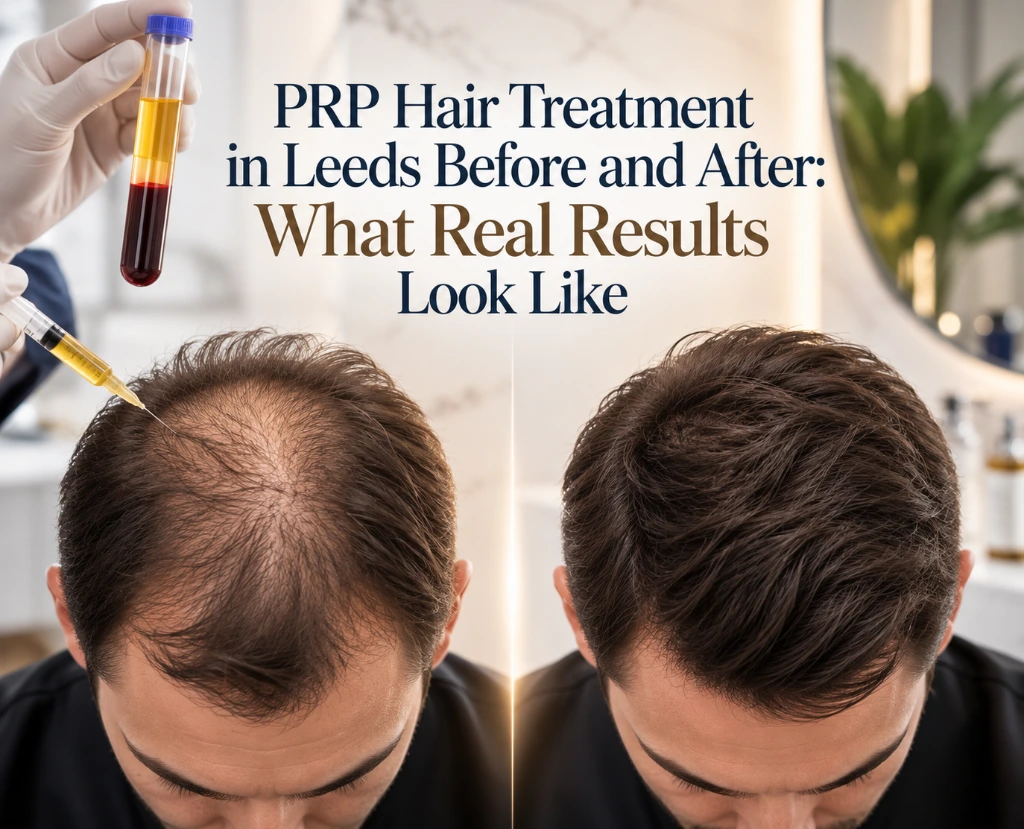

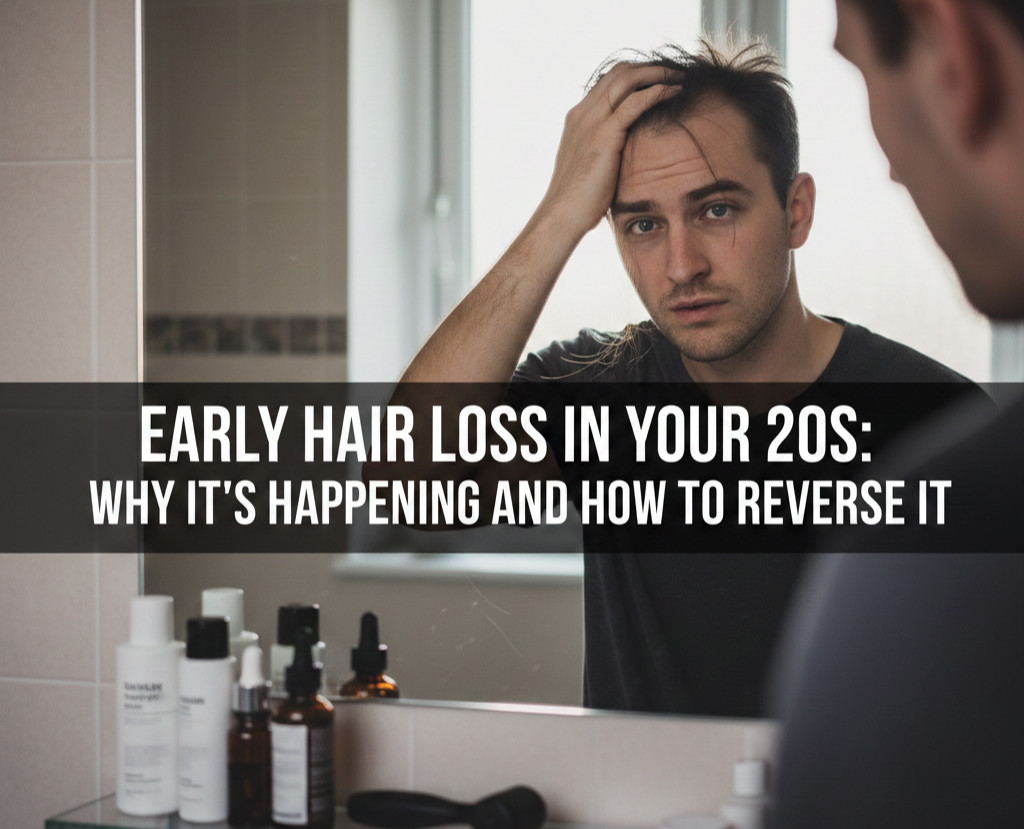
Early hair loss in your 20s is real, often reversible with early, targeted action. You may have genetic predisposition, hormonal fluctuations, or telogen effluvium from stress or deficiency. Start with a clinician-led evaluation to confirm pattern and rule out conditions, and track changes with photos over 6–8 weeks. Prioritize a scalp-friendly routine, balanced protein, iron, and vitamin D, plus minoxidil if appropriate. Consistency matters; modest improvements accumulate over months as you implement proven strategies. More steps await.
Step-By-Step Plan to Slow Hair Loss in Your 20s

Implement a structured, evidence-based plan that you can start today. You’ll begin with an early stage diagnosis, confirming any hair loss pattern through clinical assessment and, if needed, noninvasive tests. Next, tailor a daily routine that prioritizes scalp health and consistent nutrient intake, emphasizing evidence-supported options like minoxidil if appropriate and targeted antifrizz, gentle cleansing, and scalp massages to improve local circulation. Integrate lifestyle improvements that fit your life, such as balanced protein consumption, iron and vitamin D optimization, and stress-reduction strategies, all designed for sustainable lifestyle integration. Schedule regular follow-ups to monitor progress, adjust therapies, and reinforce adherence. Maintain realistic expectations, recognizing gradual improvement over months, not days, and foster a sense of belonging by sharing plans with trusted peers or clinicians.
Spot Early Signs and When to Seek Help
Spotting hair loss early improves outcomes, so start by noting patterns you observe over weeks rather than days. You may notice diffuse thinning, a widening part, or shedding beyond normal daily loss. Track intensity, distribution, and any accompanying symptoms like itching or flaking. Early warning signs warrant objective assessment rather than assumption, especially in your 20s.
Spot early signs, track patterns weekly, and seek objective evaluation promptly.
- Document changes with photos and measurements over 6–8 weeks
- Note factors that worsen or improve shedding (stress, medications, sleep)
- Schedule a low-barrier evaluation with a primary care or dermatology clinician
- Seek help promptly if rapid thinning, patchy loss, or scarring develops
Timely evaluation guides personalized options. Prioritize seeking help to protect scalp health and future confidence.
Causes Behind Hair Thinning in Your 20s
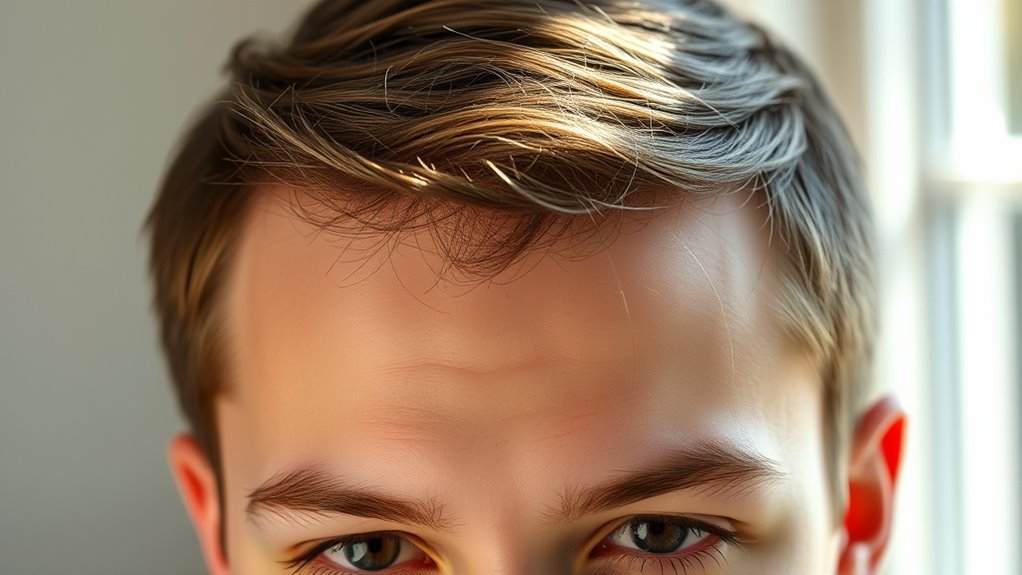
There are several plausible causes of hair thinning in your 20s, and they often interact. In this section, you’ll see that genetic predisposition, hormonal fluctuations, and early telogen effluvium can contribute to visible thinning. You may notice sensitivity to stress, poor sleep, or recent illness accelerating shedding, though these aren’t permanent drivers unless sustained. Nutritional status matters: deficiencies in iron, zinc, or vitamin D can aggravate hair thinning, but typically alongside other factors. Scalp conditions—seborrheic dermatitis or psoriasis—can impair follicular health without defining your fate. Medications, including those for acne, mood, or thyroid issues, may influence shedding patterns. Distinguish benign, reversible shedding from patterns suggesting underlying disease. If concerns persist, seek evaluation to determine if causes irrelevant to your day‑to‑day life are at play.
Science-Backed Actions: Diet, Habits, and Treatments
Evidence-based lifestyle and treatment strategies can meaningfully slow or reverse early hair loss when customized to the underlying drivers. You’ll want a targeted approach that combines reliable nutrition, consistent habits, and clinically supported therapies.
- Prioritize balanced protein and iron intake, and address diet myths that overpromise quick fixes
- Adopt proven treatments (e.g., minoxidil) under guidance, while tracking outcomes with objective notes
- Align habits with hair-supporting routines, avoiding excessive heat, harsh chemicals, and fashion trends that neglect scalp health
- Schedule regular medical check-ins to monitor hormones, inflammation, and nutrient status
This approach fosters belonging and accountability, while staying grounded in evidence. If you notice persistent shedding or slow improvement, consult a clinician to refine your plan.
Build a Long-Term Hair Health Routine
Consistency is the key to long-term hair health, so establish a practical routine that you can maintain daily and adjust as needed. You’ll build a predictable pattern that supports scalp biology and follicle resilience. Begin with clear communication: document symptoms, triggers, and regimen changes, sharing updates with a clinician when needed. Prioritize evidence-based steps: a gentle cleanser, non-irritating conditioner, and a targeted minoxidil or other physician-recommended therapy if prescribed. Schedule regular scalp assessments to monitor shedding and density, and adapt frequency of washing, styling, and heat exposure accordingly. For long term maintenance, integrate stress management, adequate sleep, and balanced nutrition. Keep expectations realistic, track progress, and refine routines to sustain gains without over-treatment. Belonging emerges from consistent, informed self-care.
Frequently Asked Questions
Can Hair Regrow Fully After 20S Thinning Without Meds?
However, some regrowth is possible, but full restoration without meds isn’t guaranteed. You might see partial improvement with Hair regrowth strategies and Non medication approaches like optimized nutrition, stress management, and evidence-backed topical options. Yet, genetics and duration of thinning limit outcomes. While you pursue non-prescription methods, stay realistic, monitor progress, and consult a clinician if you notice plateau or worsening. You’re not alone; informed, consistent steps can help you belong and regain confidence.
Do Genetics Guarantee Permanent Balding in Your 20S?
No, genetics don’t guarantee permanent balding in your 20s. While genetics influence risk, many people with early onset patterns retain usable hair with timely care. Expect uncertainty, assess family history, and pursue evidence-based options. You’ll want to monitor progression, seek professional evaluation, and consider individualized plans beyond meds if needed. By understanding genetics uncertainty and early onset patterns, you connect with solutions, reduce anxiety, and engage in proactive, shared decision-making for better outcomes.
How Quickly Does Finasteride Work if Started Early?
Finasteride typically starts showing noticeable effects after about 3–6 months, with some men seeing earlier stabilization. Your finasteride timeline may include slower initial progress, then gradual regrowth, though results vary. By 12 months, many report meaningful regrowth and reduced shedding. Set realistic regrowth expectations: not everyone regrows densely, but you can maintain what you have and slow further loss. You’ll want ongoing follow-up with your clinician to monitor efficacy and adjust as needed. This approach helps you belong in shared decision-making.
Do Hair Supplements Effectively Reverse Early Thinning?
Hair supplement efficacy is limited for reversing early thinning; most should be viewed as adjuncts rather than primary treatments. You’re likely to see modest gains at best, with results varying by individual. For early thinning reversal, evidence supports medical options like finasteride or minoxidil, plus a healthy lifestyle. If you’re considering supplements, discuss quality and dosage with a clinician, focusing on evidence-based products rather than hype. I’d tailor plans to your goals and monitoring.
Is Stress Alone a Major Cause of 20S Hair Loss?
Stress alone is not the sole driver, though it can trigger shedding in some individuals. About 30% of people report noticeable telogen effluvium after acute stress, with many cases resolving when stress decreases. You should consider the broader stress impact and other factors. Focus on lifestyle triggers, sleep, and nutrition, as you monitor hair cycles. If shedding persists, consult a clinician to assess underlying causes and tailor a precise, evidence-based plan for recovery.
Disclaimer: This content is for educational purposes only. Individual results may vary. Always consult a qualified practitioner before starting treatment.