
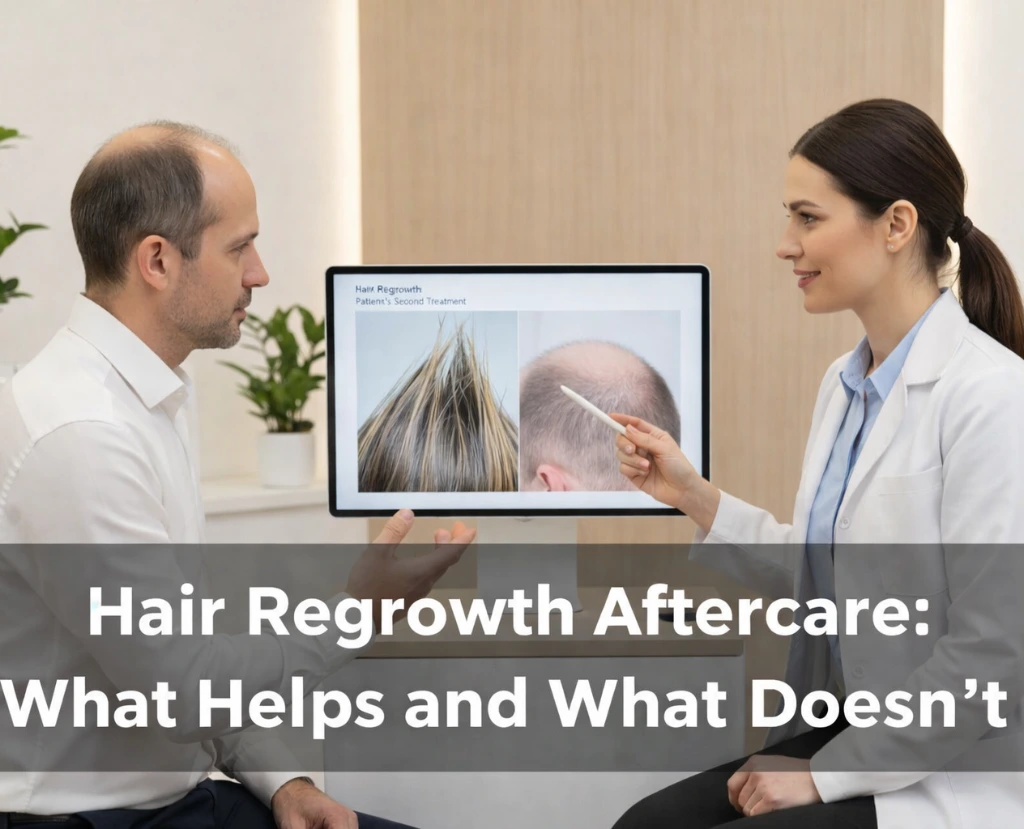
Hair regrowth aftercare hinges on consistent, evidence‑based scalp health. You’ll want a gentle, daily cleansing routine, avoiding irritants, plus a proven plan like minoxidil when appropriate. Consider PRP only if suited to you, and keep expectations realistic since results unfold over months. Maintain circadian-aligned application, manage comorbid factors, and support follicles with proper nutrition. Don’t skip appointments or steps, and seek professional help promptly if shedding accelerates. If you keep at it, you’ll uncover more practical guidance ahead.
What Causes Hair Regrowth to Stall: and How to Restart It
One common reason regrowth stalls is that the scalp environment or treatment regimen becomes inconsistent, allowing follicles to revert to shedding or dormancy. You may notice pauses when you skip routines, miss timely applications, or experience fluctuating product quality. Causes stall can arise from irregular washing, variable adherence to topical agents, or inconsistent nutrient support. Restarting growth hinges on restoring consistency, reestablishing baseline scalp health, and recalibrating expectations. Reassess your schedule, ensure daily cleansing with a gentle, non-irritating shampoo, and reimplement evidence-based topical or nutritional steps as prescribed. By reestablishing trust in your regimen, you create a more favorable milieu for follicle activity to resume. If stalls persist, consult a clinician to refine dosing and monitor progress to promote restarting growth.
Proven Treatments That Boost Hair Regrowth
You’ll want to contemplate proven options like minoxidil, whose efficacy for promoting regrowth is supported by sturdy clinical data. Platelet-rich plasma has shown potential benefits in select patients, with studies suggesting improvements in hair density when used in conjunction with standard care. In practice, discuss patient selection, dosing, and risk/benefit to determine if these treatments fit your regrowth goals.
Minoxidil Efficacy Boosts
Minoxidil’s efficacy can be improved when used alongside evidence-based strategies that support follicular response. You’ll notice better results when adjunct approaches are evidence-driven, focusing on delivery, timing, and overall scalp health. The concept of minoxidil synergy hinges on consistent application, appropriate concentrations, and compatible topical formulations.
- Optimize topical formulations: choose alcohol- or propylene glycol–free bases if irritation occurs, and consider lower-strength liquids or foams tailored to your scalp sensitivity.
- Align application with circadian biology: apply as directed, ensuring intervals support sustained follicular perfusion without overuse.
- Pair with supportive practices: maintain scalp hygiene, manage comorbid factors, and pursue nutrient strategies that support follicle function.
Platelet-Roor Plasma Benefits
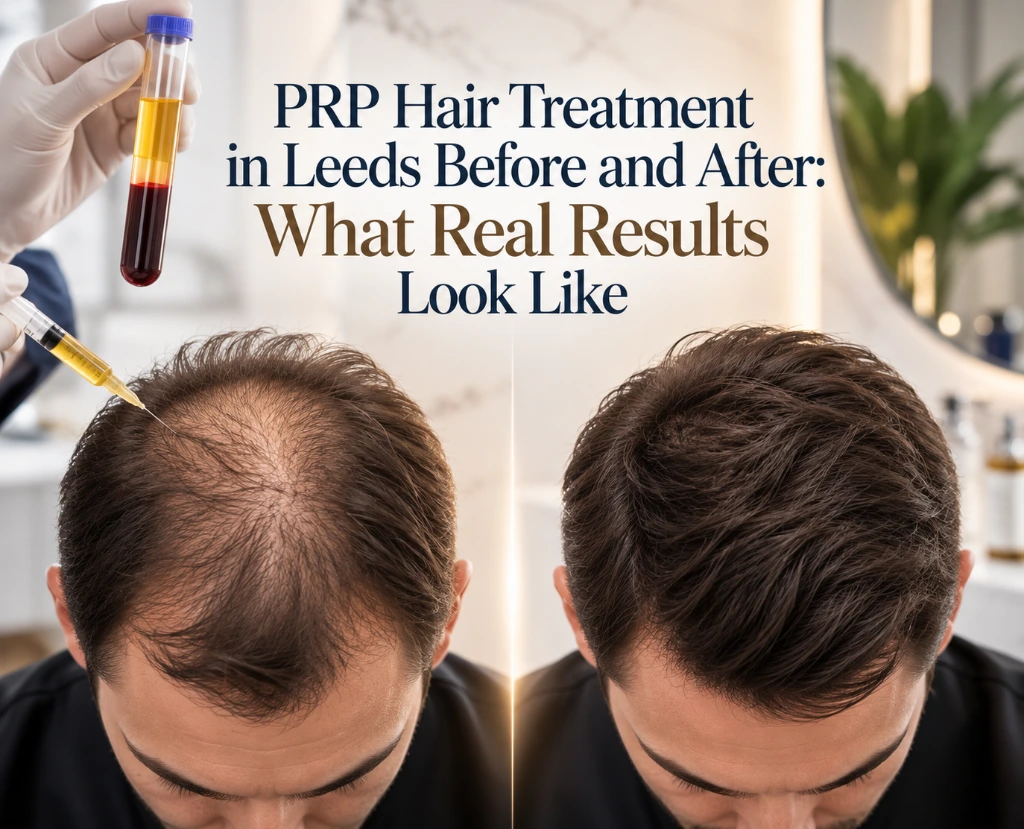
Platelet-rich plasma (PRP) has emerged as a clinically supported option to complement standard hair regrowth strategies. You’ll learn that platelet rich plasma therapy utilizes your own blood components to promote follicular activity, with evidence suggesting improved hair density and thickness in select patients. In practice, results vary, but when prepared and administered correctly, PRP can enhance baseline treatments and fit within a personalized plan. Below is a concise comparison to help you decide.
| Benefit | Consideration |
|---|---|
| Accelerates follicle activity | Requires multiple sessions |
| Improves hair thickness | Costs and aftercare matter |
Scalp Care Practices That Support New Growth
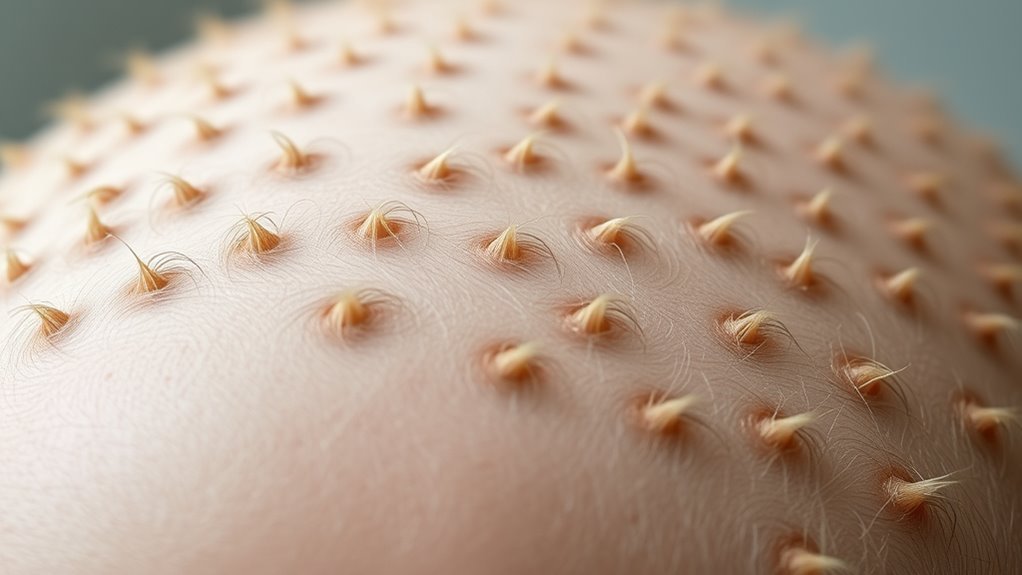
What scalp care practices most strongly support new growth? You’ll optimize outcomes by integrating targeted, evidence-informed steps that support follicular health and microcirculation. Focused care minimizes irritation while promoting a stable scalp environment.
- Gentle cleansing and scalp exfoliation: use a mild cleanser with soft exfoliants to remove buildup without stripping lipids, aiding nutrient access to follicles.
- Scalp massage and circulation: brief, daily massage improves blood flow, reinforcing delivery of growth-supporting factors.
- Topical care with essential oils: dilute select essential oils and apply cautiously to support barrier integrity and soothe inflammation.
Implementing these practices consistently helps you feel supported and connected to a proactive regrowth plan.
Debunking Myths That Hinder Hair Regrowth
Many beliefs about hair regrowth persist despite limited evidence, and correcting these myths helps you stay aligned with proven practices from scalp care to follicular health. In this section, you separate myth from reality by evaluating claims with clinical rigor, not anecdote. You’ll learn to distinguish hair myths that promise rapid miracles from interventions supported by reproducible data. Across strands and follicles, evidence favors consistent, monitored approaches over sensational shortcuts. You’ll recognize that treatment decisions should integrate etiologic context, safety profiles, and patient-specific factors. By embracing myth vs reality, you reduce misinformation and optimize adherence to effective regimens. This clarity empowers you to participate in care decisions with confidence, fostering belonging in a community that prioritizes validated strategies and steady, measurable progress.
Daily Habits That Help or Hinder Hair Growth
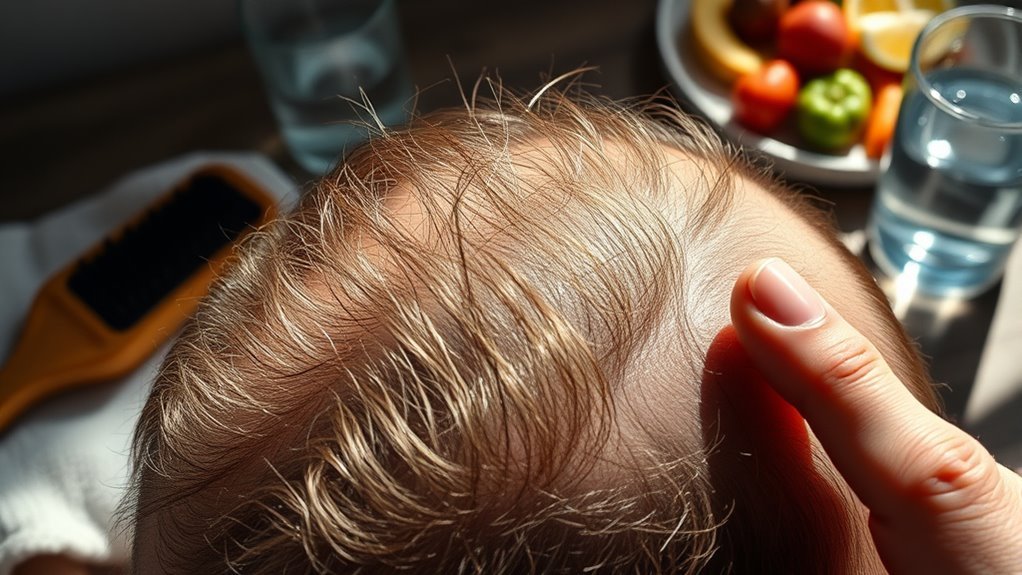
You’ll see that daily habits can either support or impede hair growth, with clear positives and negatives to consider. Consistent, evidence-based practices like gentle cleansing, balanced nutrition, and minimizing harsh styling are linked to better outcomes, while excessive heat, tight traction, and skipping meals can hinder progress. In this discussion, we’ll examine how these habits interact and why small, targeted changes matter for regrowth.
Daily Habits Impact
Daily habits profoundly shape hair regrowth outcomes, as small daily choices accumulate to influence scalp health, hormone balance, and follicle resilience. You’ll see the impact when practical routines support consistency, not perfection, and when evidence informs every decision about care.
- Prioritize gentle cleansing and scalp care, avoiding aggressive brushing or heat abuse; choose philosophy-aligned products that support barrier function and minimize irritation.
- Align nutrition with needs, steering clear of fashion trends and dietary fads that promise quick fixes; emphasize balanced proteins, micronutrients, and hydration to sustain follicles.
- Structure routines around stress-aware habits, sleep regularity, and sun protection, because chronic stress and exposure undermine follicle resilience and recovery.
You belong here, with informed choices guiding steady, evidence-based outcomes.
Positive and Negative Habits
In practice, small, consistent choices either support or undermine hair regrowth: constructive routines—gentle cleansing, protective styling, balanced nutrition, adequate hydration, consistent sleep, and stress management—promote follicle resilience, whereas harsh brushing, heat exposure, extreme diets, smoking, and chronic stress can impair follicular recovery and slow regrowth. You’ll find positive habits strengthen outcomes by supporting scalp health, keratin integrity, and inflammatory balance, while negative habits undermine progress through mechanical trauma, follicular miniaturization, and hormonal disruption. Clinically, adherence to evidence-based daily practices correlates with steadier density improvement and patient confidence. Embrace belonging by prioritizing routines that align with your biology and goals. If negative habits persist, recalibration with gradual substitutions yields sustainable gains. Positive habits foster consistency; negative habits hinder momentum, but are modifiable with deliberate, supported change.
How Medical Conditions Affect Hair Regrowth
Medical conditions can substantially influence hair regrowth through hormonal, inflammatory, metabolic, and nutritional pathways. You’ll benefit from understanding how systemic factors disrupt the cycle and how stable management supports outcomes.
- Hormonal balance: Conditions like thyroid disorders or polycystic ovary syndrome can alter growth phases, making you aware of the need for appropriate screening and target ranges.
- Inflammation and autoimmune activity: Chronic inflammatory states can impede follicle function; addressing underlying triggers may restore resilience.
- Nutrition and metabolism: Diabetes, deficiencies, or malabsorption affect follicle health; balanced macronutrients and micronutrients support regrowth potential.
If you suspect a medical condition, you deserve a precise plan that aligns with evidence, minimizes risk, and reinforces your sense of belonging to a proactive, informed care team.
When to Seek Professional Help for Hair Regrowth
If you’ve noticed ongoing hair thinning or shedding in spite of initial care, you should consider seeking professional evaluation sooner rather than later to identify treatable causes and tailor a plan. In clinical practice, early assessment helps distinguish androgenetic patterns, inflammatory conditions, nutritional deficiencies, and systemic issues that limit regrowth. You’ll benefit from a structured history, physical exam, and targeted testing to clarify timing and progression. When to seek professional help isn’t vague: seek care if you notice rapid loss, patchy areas, or new accompanying symptoms (pain, redness, or scaly patches). Signs you need a specialist include persistent thinning despite basic measures and unclear diagnosis after primary care. Timely intervention improves prognosis and supports a collaborative, supportive care journey within a healing-focused community.
Realistic Timelines: What to Expect Next
How long will results take to become evident, and what should you expect along the way? Realistic timelines guide patient expectations and support adherence. You’ll notice subtle changes first, with more noticeable coverage over months, not days. Individual variation depends on baseline hair density, treatment type, and consistency. Stay engaged with your clinician, track progress, and adjust expectations as needed. Below is a practical roadmap.
- Initial weeks: baseline improvements from salvageable follicles become modest but measurable.
- Months 2–4: gradual density gains and refinement of regrowth, aligned with treatment response.
- Months 6–12: sustained improvements, potential pattern stabilization, and clearer signaling of effectiveness.
This framework helps you feel connected to care and confident in your realistic timelines, aligning with patient expectations.
Frequently Asked Questions
Can Diet Alone Reverse Thinning Hair Quickly?
No, diet alone can’t reverse thinning hair quickly. You may see gradual improvements as you correct deficiencies, but lasting regrowth requires evidence-based approaches beyond meals. Recognize diet myths and avoid quick fixes; nutrition supports follicle health over months, not days. You deserve a plan that’s clinically sound, personalized, and sustainable. If you’re concerned, consult a clinician. With steady, science-backed steps, you’ll feel more confident, belonging in a community that values proven strategies.
Do Supplements Replace Medical Treatments for Regrowth?
Supplements don’t replace medical treatments for regrowth and cannot guarantee results. You should view supplement vs treatment as complementary, not interchangeable. If you pursue regrowth expectations with evidence-based care, you’ll combine clinician-guided therapies with properly chosen supplements. You deserve informed choices, clear prognosis, and ongoing monitoring. Rely on documented efficacy, discuss risks, and stay engaged with your clinician. You’ll improve confidence, align goals, and foster belonging through responsible, patient-centered decision-making.
Can Sleep Hacks Dramatically Boost Hair Regrowth?
Sleep hacks can’t dramatically boost hair regrowth on their own, but sleep optimization supports hormonal balance and overall recovery, which may improve outcomes when combined with evidence-based treatments. You’ll want consistent, sufficient rest, stress reduction, and circadian alignment to help your scalp environment. While not a miracle, prioritizing sleep can complement medical advice and reinforce a sense of belonging to a proactive, clinically informed care plan. Prioritize sleep optimization as part of your holistic strategy.
Is Hair Regrowth Faster in Certain Climates or Seasons?
Seasonal hair growth isn’t dramatically faster across climates, but you can see subtle, timing-related differences. In some seasons, your scalp’s environment—humidity, temperature, and oil production—might modestly influence follicular activity. Climate impact on regrowth tends to be modest rather than decisive. You’ll benefit from consistent scalp care and sun protection year-round, especially if you’re in variable climates. If you notice outsized changes, consult a clinician, since individual factors often drive results more than season alone.
Do Shampoos With Cannabis or Essential Oils Cure Baldness?
Cannabis shampoos and crucial oil cures do not cure baldness. You should manage expectations and focus on evidence-based options. Although some products may improve scalp health or mild hair shedding, they won’t restore lost follicles. If you’re pursuing regrowth, discuss clinically supported treatments with your clinician and use products as adjuncts, not cures. You’re seeking belonging in a scientifically grounded approach, so prioritize safety, quality ingredients, and regulatory guidance when selecting cannabis shampoos and crucial oil cures.
Disclaimer: This content is for educational purposes only. Individual results may vary. Always consult a qualified practitioner before starting treatment.