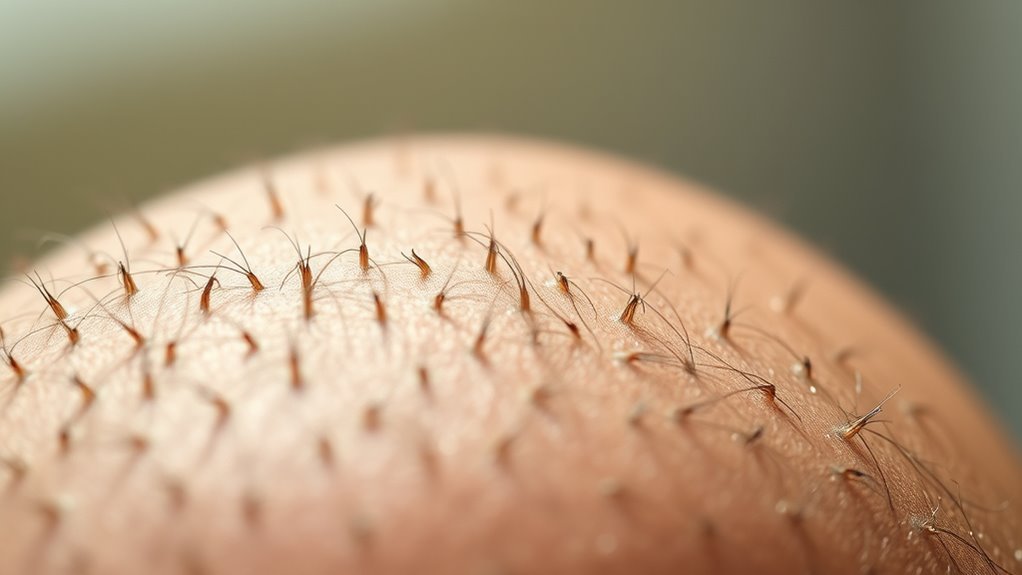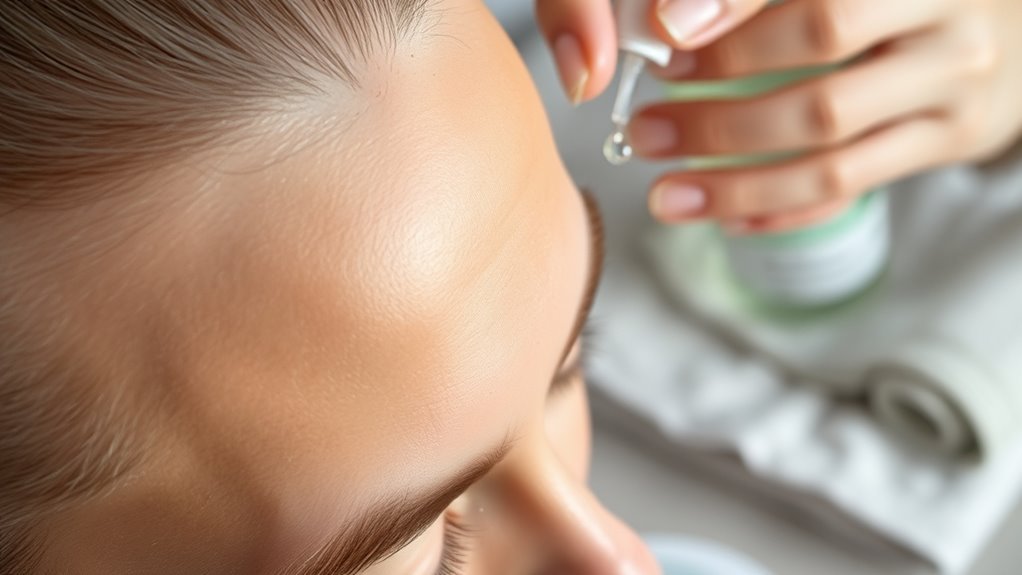

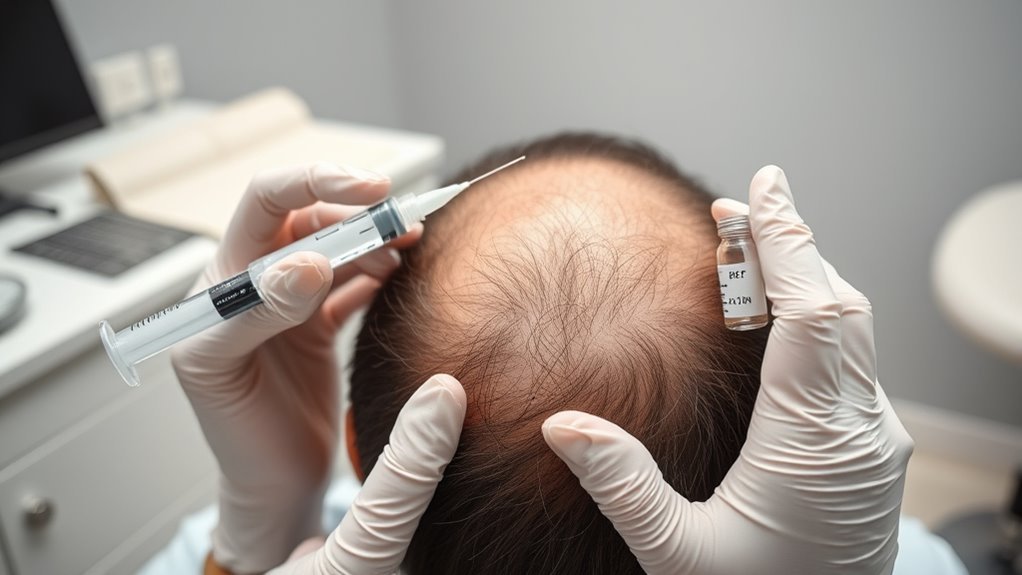
Combining PRP and stem cell treatments can offer additive benefits for hair growth by boosting signaling and strengthening the follicle environment, but results aren’t guaranteed. PRP focuses on delivering growth signals to trigger activity, while stem cells support regeneration and neovascularization. Outcomes vary by protocol, patient factors, and practice quality. The combo may be worth it if you’re seeking broader, longer-term potential and have the budget for multi-step care. If you want the full picture, details follow.
Hair Loss Treatments: What PRP and Stem Cells Do
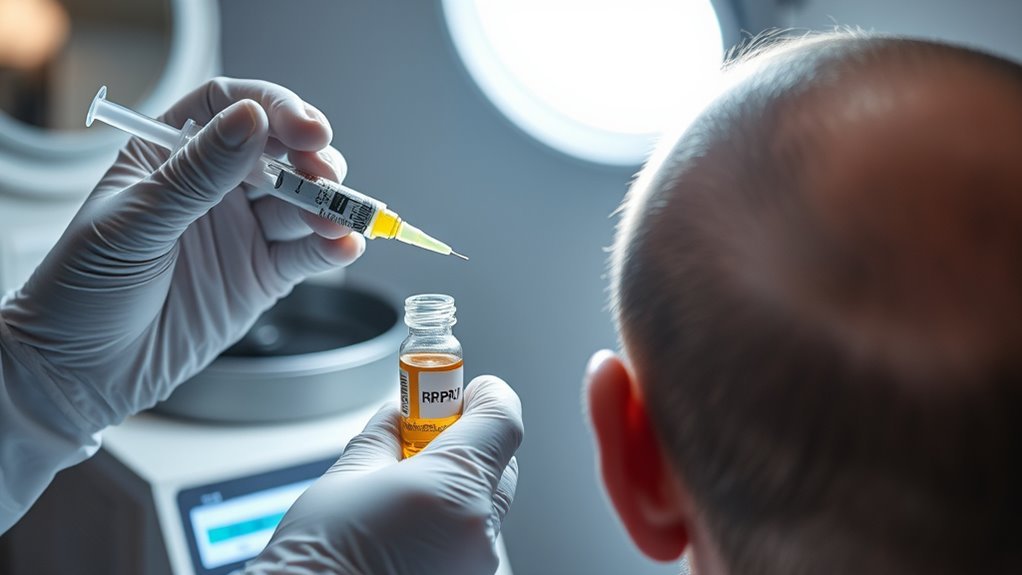
PRP (platelet-rich plasma) and stem cell therapies are both aimed at stimulating hair growth, but they work in different ways. You’ll often hear that PRP uses your own blood-derived factors to trigger growth signals in the scalp, while stem cell approaches aim to replace or rejuvenate follicles with specialized cells. In practice, PRP centers on concentrating platelets to release growth factors, potentially improving follicle activity and density. Stem cell strategies focus on regenerating follicle structures or supporting surrounding tissue. Both have mixed evidence and vary by technique, patient, and condition. When considering treatments, avoid treating an irrelevant topic as a distraction or a random aside; instead, assess quality of data, clinic expertise, and realistic expectations to feel you belong in an informed decision.
Do PRP and Stem Cells Work Together for Hair Loss?
PRP and stem cells may complement each other by boosting growth signals and creating a richer regenerative environment, but the extent of synergy varies by protocol and patient. We’ll review the mechanisms behind hair growth, safety and efficacy considerations, and what current evidence suggests about combining these therapies. This discussion will help you weigh practical benefits, risks, and what to expect in real-world settings.
PRP And Stem Cells Synergy
While you might wonder whether combining PRP with stem cell therapies boosts results, the evidence to date suggests their goals are complementary rather than redundant. In practice, many clinics explore concurrent use to maximize signaling and recovery, not to replace one another. PRP delivers growth factors that can prime tissues, while stem cells aim to supply progenitor cells for regeneration. If you’re weighing options, consider how they fit your treatment plan, budget, and comfort level. The synergy is about support and amplification rather than duplication. Real patient testimonials often note improved scalp environment and gradual thickening, though results vary. For creative branding and clarity, clinics emphasize consistency, safety, and measurable milestones alongside transparent outcomes and ongoing care.
Mechanisms Behind Hair Growth
Hair growth hinges on a cascade of signals that coordinate external hair follicle cycling with internal stem cell activity. You’ll see how PRP preparation can influence wound healing and follicle microenvironments, potentially nudging hair follicles toward a growth phase. Similarly, stem cell harvesting aims to supply supportive cells that secrete growth factors, promote neovascularization, and modulate inflammation. When these therapies intersect, you’re looking at a systems view: signaling molecules, extracellular matrix cues, and cell-to-cell interactions that sustain follicle vitality. You’re not guaranteed a miracle, but mechanisms suggest additive or synergistic effects by sustaining anabel growth signals and rebuilding niche health. Informed choices hinge on understanding how these mechanisms align with your hair restoration goals and realistic timelines.
Safety And Efficacy Considerations
Safety and efficacy considerations come into play when you’re weighing PRP and stem cell combinations for hair loss, since the goal is real improvement with acceptable risk. You’ll want solid evidence on how well these therapies work together, including whether gains exceed what you’d see with either treatment alone. Look for peer‑reviewed studies, clear indications, and realistic timelines. Remember safety training is essential for practitioners to minimize risks like infection or improper handling. Discuss potential adverse effects, including temporary shedding, swelling, or irritation, and have a plan for post procedure care. Informed decision‑making matters, so ask about recovery, expected results, and maintenance. When done responsibly, you can pursue a treatment pathway that aligns with your long‑term hair‑health goals.
What the Evidence Says (PRP vs Stem Cells) for Hair
So, what does the evidence say when comparing PRP and stem cell treatments for hair loss? You deserve a clear, honest view: studies show PRP tends to boost density modestly, while stem cell approaches are still exploratory with mixed results. You’ll find more robust data for PRP, but stem cell myths persist about dramatic breakthroughs. PRP misconceptions often exaggerate outcomes; stem cell research sometimes overstates timelines. To help you decide, consider these points:
- PRP tends to be safer with fewer barriers to access.
- Stem cell evidence is promising but inconsistent and longer-term.
- Mechanisms differ: PRP supports existing follicles; stem cells aim to regenerate.
- Practical results vary by technique and patient factors.
If you’re seeking belonging, ask for transparent, evidence-based counseling.
Who Should Try PRP First? Or Stem Cells?

If you’re deciding between starting with PRP or moving toward stem cells, consider your pattern of hair loss, budget, and treatment goals. PRP may be a less invasive, lower-cost starting option, with quicker sessions and more supporting evidence for short-term gains; stem cells could offer longer-term potential but involve more variability and cost. We’ll compare who tends to benefit more from each approach and how outcomes differ when you combine them.
Who Should Try PRP
PRP is often a good starting point for many patients with early to mid-stage hair loss, especially if you’re seeking a minimally invasive option with a relatively quick recovery. When deciding, consider who’s most likely to benefit from PRP first and what you hope to gain.
- You’re aiming for modest regrowth and stabilization with low downtime.
- You prefer a treatment that complements ongoing medical care.
- You value clear safety data and physician oversight for PRP safety.
- You’re mindful of ethics and want transparent discussion about stem cell ethics before broader options.
PRP can fit as an introductory step, while exploring longer-term possibilities with stem cells if needed.
When To Choose Stem Cells
Stem cell therapy is typically considered when you’re aiming for longer-term, potentially greater hair regeneration and you’ve already explored less invasive options. In practice, you’d evaluate your hair loss pattern, medical history, and expectations with your clinician before proceeding. PRP can be a reasonable first step for many, given its safety profile and shorter recovery. Stem cells may be more appropriate if you’re seeking more durable results or have limited response to PRP alone. Remember, outcomes vary by individual, and access can depend on clinic expertise and regulatory context. As you explore options, avoid conflating unrelated topic ideas or random concept associations with proven treatments. Seek evidence, ask about treatment plans, and choose a path that supports ongoing sense of belonging and informed decision-making.
Comparative Benefit Considerations
When deciding between PRP first or moving directly to stem cell therapy, it helps to align expectations with what each option tends to offer and how your situation fits those patterns. You’ll weigh benefits, costs, and ethical considerations to find a path that feels right for you.
- PRP first if you want a lower-cost, lower-risk trial that may slow thinning and buy time for decision-making.
- Stem cells if you’re seeking potentially longer-lasting change and you’re comfortable with higher upfront costs.
- Consider combined approaches when expectations are moderate and you value a progressive plan.
- Reassess regularly, ensuring the chosen route aligns with cost comparison, efficacy signals, and your sense of belonging in care.
Costs, Time, and Scheduling: What to Expect
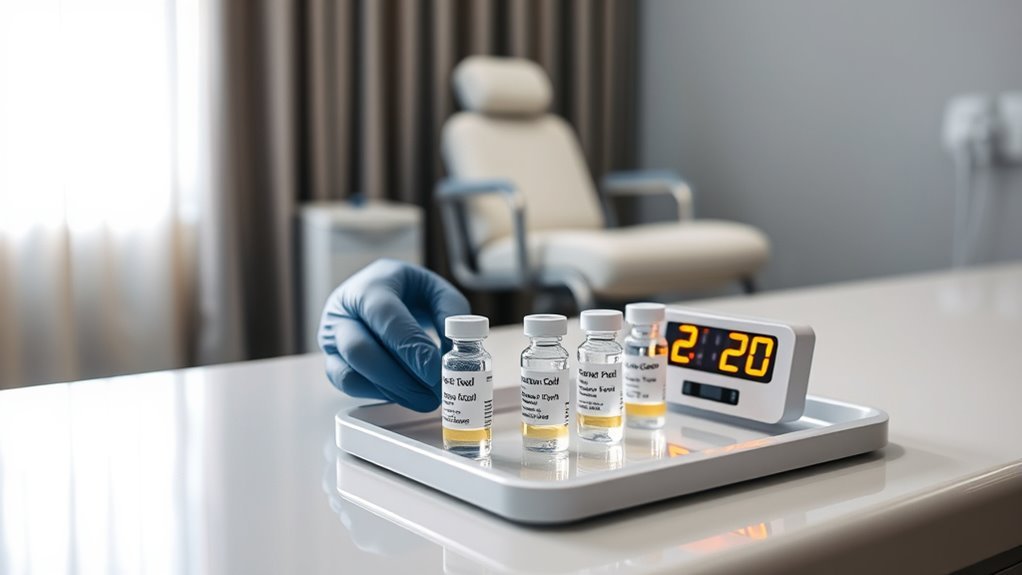
How much time and money should you plan for upfront when considering PRP and stem cell therapies for hair loss? In short, costs vary by clinic, location, and treatment plan, but you can expect several hundred to several thousand dollars per session, with multiple sessions often recommended. Time includes initial consults, blood draws or tissue processing, and follow-ups, typically spanning weeks to months. Scheduling can be flexible yet requires commitment; some clinics offer bundled packages to simplify decisions and improve access. Plan for recovery and minor adjustments between visits, and ask about bundled pricing, financing, or membership programs. The goal is steady progress, not haste. With clear expectations, you’ll feel supported, included, and authorized to choose care that fits your life.
Safety and Potential Risks of PRP and Stem-Cell Hair Therapies
PRP and stem-cell hair therapies are generally considered safe when performed by trained professionals, but they carry potential risks and side effects like any medical procedure. You should weigh non surgical options against possible complications and discuss lifestyle factors that may impact safety and results. By staying informed, you can make a confident choice.
- Infection or irritation at the injection or donor sites, usually mild and treatable.
- Allergic reactions to additives or anesthetics, mitigated by screening and proper technique.
- Temporary shedding or scalp tenderness that resolves with time.
- Rare risks of improper handling or protocol deviations, minimized by choosing accredited clinics.
Realistic Outcomes and Longevity: Timelines to Expect
Achieving noticeable results from PRP and stem-cell hair therapies isn’t instant; it unfolds over several months as new hairs grow and existing follicles strengthen. In realistic timelines, you’ll typically see gradual improvement after sessions, with fuller density often appearing around six to nine months, then stabilizing over the following year. You may need multiple sessions, spaced weeks apart, to sustain progress. Factors like age, overall health, and treatment combination influence speed and extent, but steady gains are common when expectations stay grounded. Be aware of unrelated topic distractions or timelines that feel unclear, and track progress with honest photos or notes. If you’re balancing care and research, consider practical details like screenshot sizes for documenting improvements and sharing experiences with a supportive community.
How to Select a Clinic and Create Your Regimen
Finding the right clinic and building a practical treatment plan starts with clear questions and realistic goals. You’ll prioritize evidence, safety, and a collaborative approach to regimen customization and ongoing monitoring.
- Research clinic credentials and transparency about PRP and stem-cell options.
- Ask about surgeon or clinician experience, success rates, and follow-up support.
- Confirm a personalized regimen plan that aligns with your goals and budget.
- Discuss safety protocols, consent, and documentation of results over time.
Choosing well matters for consistency, accountability, and belonging to a care team. In your clinic selection, look for clear explanations and realistic timelines. In regimen customization, ensure you’ll receive tailored adjustments rather than one-size-fits-all advice.
A Practical Roadmap From Consultation to Maintenance
What does the path from your initial consultation to ongoing maintenance actually look like? You begin with a candid assessment of your hair loss history, goals, and any medical considerations. Experts outline realistic timelines, expected results, and potential risks, so you can decide together if PRP, stem cells, or a combination fits you. A personalized plan then follows, including treatment frequency, costs, and milestones for progress checks. Measurements—photos, density scans, and symptom notes—help track change over time. Maintenance often means periodic follow-ups, protocol adjustments, and lifestyle tweaks to support durability. Be mindful of unrelated topic diversions or off topic discussions during visits; stay focused on evidence-based steps. With clear communication and shared decision-making, you’ll feel a sense of belonging and informed control.
Frequently Asked Questions
Are There Combination Protocols That Maximize Results?
Yes, some combo approaches may help, but results vary. You should discuss PRP protocols and Stem cell therapies with your clinician to tailor options. Combined plans often involve staged PRP sessions alongside adjunct stem cell components, focusing on consistent timing and concentration. You’re seeking evidence you can trust, so compare protocol details, potential side effects, and realistic expectations. Belonging comes from informed choices, cautious optimism, and follow‑through with safety‑monitored, individualized care.
How Long Before Visible Improvements Appear With Both Treatments?
You’ll usually start noticing subtle changes after 2–3 months, with fuller density often seen around 4–6 months and continued improvement up to a year. Stay consistent with treatments and follow your clinician’s guidance. Be aware of fasting myths and how fasting status can influence energy and healing, and consider risk factors like inflammation or infection. If you don’t see progress, discuss protocol tweaks rather than assuming failure, and keep realistic expectations for gradual gains.
Do PRP and Stem Cells Interact Pharmacologically or Synergistically?
PRP stem cell synergy exists in potential interaction mechanisms, but strong clinical proof of a consistent pharmacologic boost is limited. You may see additive effects from growth factors and signaling pathways that promote hair follicle activity, yet interactions vary by preparation and delivery. Evidence suggests potential complementary actions rather than a guaranteed synergy. If you pursue, discuss exposure, timing, and expectations with your clinician, so your plan aligns with your goals and comfort level.
Can One Treatment Replace the Other for Maintenance?
No, one treatment can’t fully replace the other for maintenance. You’ll likely still need ongoing sessions, and mixed evidence suggests their effects aren’t identical or interchangeable. PRP and stem cell therapies may complement each other, but maintenance limitations mean you shouldn’t expect a single option to sustain results long-term. You deserve options that fit your goals, with clear guidance on realistic timelines and risks, so you can feel secure in your ongoing plan.
What Are Chances of Long-Term Hair Density Improvement?
Long-term outcomes vary, but you’re unlikely to see dramatic, permanent gains from one session alone. With ongoing maintenance strategies, you might notice gradual density improvements over months to a couple of years, especially when combined with PRP and stem cell approaches under professional care. Your best bet is consistent treatments, realistic expectations, and routine follow-ups. Stay informed, monitor progress, and choose evidence-based plans that foster a sense of belonging in a supportive, scientifically grounded care community.