

Hair Care Mistakes Women Make That Lead to Hair Loss
Hair is often considered a woman’s crowning glory, but maintaining healthy hair isn’t always easy. Many women unknowingly make mistakes that contribute to hair thinning, hair shedding, and in some cases, severe hair loss. Understanding the science behind hair growth and adopting the right care practices can prevent excessive hair loss in women.
How Much Hair Do Women Normally Shed?
On average, a woman sheds 50–100 hairs per day, which is completely normal.
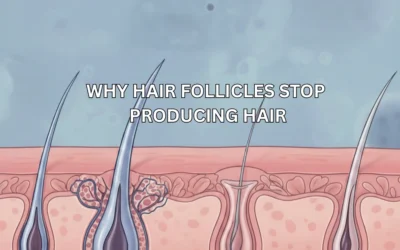
Hair develops in stages. the anagen phase (active growth), the catagen phase (short transitional period), and the telogen phase (resting phase). Excessive shedding, defined as more than 100 hairs daily, could indicate underlying issues.
Signs of hair loss in women include:
- Noticeable thinning on the crown or parting
- Increased hair on pillows, shower drains, or brushes
- Gradual widening of the hair part
Understanding these early signs can help women act before hair loss becomes severe.
Common Hair Care Mistakes Leading to Hair Loss
- Over-Washing Hair – Frequent shampooing can strip natural oils, weakening hair and increasing hair fall.
- Excessive Heat Styling – Daily blow-drying, straightening, or curling can damage hair follicles.
- Tight Hairstyles – Ponytails, braids, or buns pulled too tightly can cause traction alopecia.
- Chemical Treatments – Frequent coloring, perming, or chemical straightening may accelerate hair thinning.
- Neglecting Scalp Health – Dandruff, buildup, or poor scalp circulation can hinder hair growth.
Causes of Hair Loss in Women
Female hair loss can be multifactorial. Common causes include:
- Hormonal Hair Loss – Pregnancy, menopause, thyroid disorders, or polycystic ovary syndrome (PCOS) can cause hormonal hair thinning.
- Nutritional Deficiencies – Low iron, vitamin D, biotin, or protein deficiency may contribute to hair shedding.
- Stress and Lifestyle Factors – Chronic stress, sleep deprivation, and poor diet are linked to excessive hair loss in women.
- Genetics: Female pattern hair thinning is frequently inherited, meaning it can be passed down through family genes.
- Medical Conditions & Medications – Autoimmune diseases, chemotherapy, or certain medications can trigger rapid hair loss in females.
Prevention Tips for Hair Loss
- Gentle Hair Care – Use sulfate-free shampoos, avoid excessive brushing, and minimize heat styling.
- Balanced Nutrition – Ensure sufficient intake of:
- Iron (spinach, red meat)
- Biotin & Zinc (nuts, eggs, seeds)
- Vitamin D & E (salmon, almonds, sunlight exposure)
- Protein (chicken, lentils, fish)
- Scalp Care – Regular scalp massages can boost blood circulation and promote hair growth for women.
- Stress Management – Yoga, meditation, and adequate sleep can help reduce hair loss.
- Give your hair some rest from styling and coloring by avoiding tight hairstyles and excessive chemical treatments.”
Hair Loss Solutions & Treatments
For women struggling with thinning hair, female hair loss treatment options can help restore hair density and confidence. Cosmeticstar offers several advanced solutions:
- PRP for Hair – Platelet-rich plasma stimulates hair follicles to encourage natural hair growth. Ideal for hair shedding treatment and hair regrowth in women.
- GFC Hair Therapy – Next-generation solution for rapid hair loss in females and severe hair loss in women.
- Exosome Therapy – Promotes natural skin and hair regeneration, supporting hair growth for women and a solution for hair fall.
- Vitamin Injections – Boost essential nutrients that support hair health, strengthen hair follicles, and prevent excessive hair loss in women.
- IV Drip Therapy – Provides hydration and essential vitamins to improve overall hair vitality and prevent hair thinning in women.
Hair transplant is another long-term option. Many women inquire about hair transplant cost, which varies depending on the procedure and extent of hair loss. For a personalized consultation, chat now to explore the best hair loss solutions for women and get expert guidance.
Conclusion
Preventing hair loss starts with understanding your hair and scalp needs, maintaining proper nutrition, and avoiding harmful styling practices.
For women seeking professional aesthetic solutions, Cosmeticstar in Leeds offers cutting-edge treatments that deliver visible results. From PRP for hair to GFC therapy, their expert team can help you tackle female hair loss effectively.
GDPR Notice: All treatments are GDPR-compliant. Your personal data is handled securely. By clicking the chat now link, you will be redirected to WhatsApp. For more information, review our Privacy Policy.
Disclaimer: This blog is for educational purposes only. Always consult a qualified professional before starting any hair treatment.
FAQs
Q1: Can hair loss in my 20s be reversed naturally?
A1: Early-stage hair thinning due to stress or diet can improve with proper nutrition, supplements, and gentle hair care.
Q2: Is female hair loss after menopause permanent?
A2: Hormonal changes can accelerate hair thinning, but treatments like PRP and GFC therapy may improve hair density.
Q3: Are vitamin injections effective for hair growth?
A3: Yes, vitamin injections can boost energy, immunity, and support hair growth when combined with proper nutrition.
Q4: Can hair shedding treatment work alongside hair transplant?
A4: Absolutely. Treatments like PRP or GFC therapy can complement hair transplant for faster and fuller results.
0 Comments