
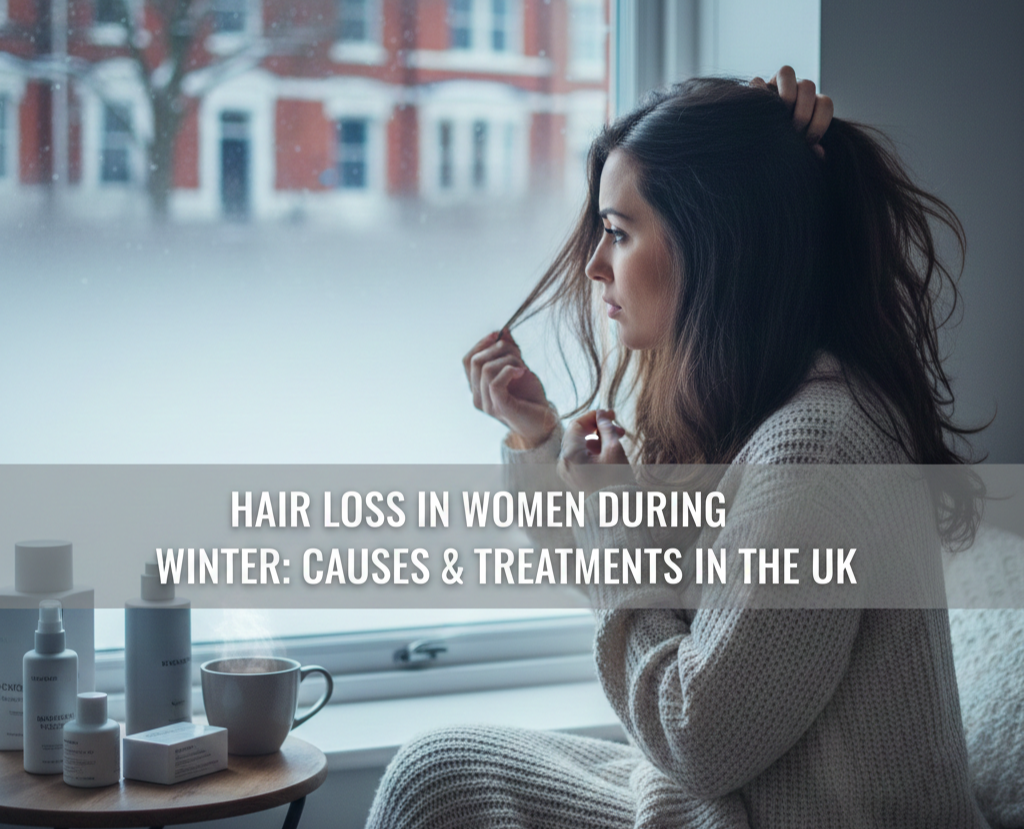
Winter in the UK can guarantee hair shedding due to dry air, indoor heating, wind, and tighter clothing. You may notice a drier scalp, increased transepidermal water loss, and subtle shifts in shedding timing from seasonal hormonal and metabolic changes. Support your barrier with gentle cleansers, barrier‑supportive moisturizers, and reduced heat. Ensure adequate iron, zinc, selenium, vitamin C, and B‑complex intake, plus hydration and stress management. If shedding persists or worsens, seek timely medical or specialist evaluation for targeted care. More details ahead.
Introduction: Winter Hair Health in the Uk-What to Expect and Do

Winter can stress hair and scalp because of colder air, low humidity, and indoor heating, which collectively reduce moisture and may exacerbate shedding or dryness. In this introduction, you’ll learn what to expect and how to act with purpose. You’ll notice that seasonal changes can alter scalp conditions and hair shaft behavior, influencing perceived fullness. Practical steps emphasize consistent routines, gentle cleansing, and barrier support to promote winter resilience. Focus on balanced nutrition, adequate hydration, and stress-aware habits that support overall skin and follicle signaling pathways. Seek evidence-based products that reinforce the cuticle and scalp barrier, minimizing mechanical damage. By aligning lifestyle choices with your biology, you foster a sense of belonging and control, grounding your approach in measurable, patient-centered strategies rather than fear.
Why Winter Hair Loss Happens in UK Women
Why does winter trigger hair shedding in UK women? You may notice more hair shedding as days shorten and temperatures drop. The primary driver is seasonal hormonal and metabolic adjustment, not a single cause. Reduced daylight lowers serotonin, subtly shifting circadian rhythms and affecting follicle cycling. Cold, dry air increases transepidermal water loss on the scalp, potentially stressing follicles in susceptible individuals. Dry indoor heating creates a dehydrating environment that can thin the visible hair shaft, while wind and friction from heavy winter clothing contribute minor mechanical shedding. Nutritional shifts during winter—less outdoor activity, altered fat and vitamin intake—can influence follicular health, though significant hair loss is unlikely without an underlying condition. Overall, winter weather interacts with biology, amplifying normal shedding in many women.
How Winter Weather Affects Your Scalp and Follicles
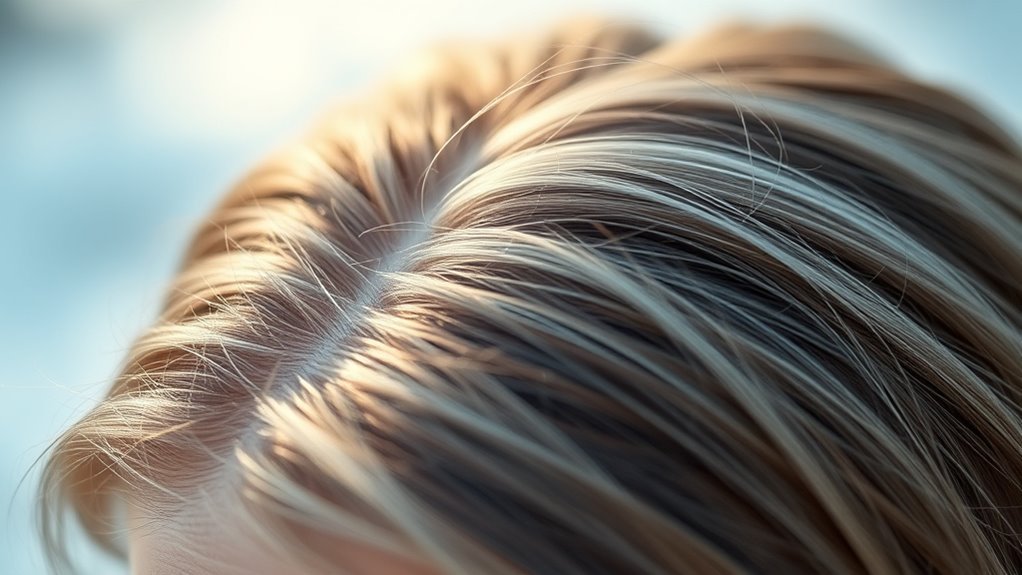
How does winter weather shape your scalp and follicles? In colder months, dry air and indoor heating reduce ambient humidity, increasing transepidermal water loss and contributing to scalp sensitivity. You may notice tighter scalp feel, flaking, or itch, which can mimic inflammation and aggravate seasonal shedding. Cold stress can transiently slow circulation, affecting follicle metabolism and hair shaft strength. Wind exposure and grooming with dry or heated tools further compromise the scalp barrier, elevating irritation risk. Hydration and barrier-supportive care help maintain follicle resilience, while avoiding harsh detergents and over-washing reduces disruption to the lipid layer. Overall, winter weather interacts with your scalp’s physiology, influencing shedding patterns and resilience, making gentle, evidence-based management essential for maintaining hair stability across the season.
Key Nutrients and Lifestyle Habits to Prevent Shedding
Building on how winter affects scalp health, focusing on key nutrients and daily habits can help stabilize shedding and support follicle function. You should prioritize a balanced diet with adequate mineral intake, including iron, zinc, and selenium, which support keratinocyte activity and follicle cycling. Vitamin C and B-complex nutrients aid collagen formation and energy metabolism for hair growth. Hydration matters, and you can monitor for dry scalp by using gentle cleansers and avoiding harsh sulfates. Manage stress with regular sleep and exercise, as stress can exacerbate shedding. Limit excessive heat and chemical processing that irritate the scalp. Consider a professional evaluation for persistent dry scalp and nutrient gaps, ensuring you don’t miss underlying deficiencies affecting hair resilience.
Evidence-Based Treatments for Winter Hair Loss
Evidence-based treatments for winter hair loss focus on addressing the common causes—seasonal shedding, environmental stressors, and potential nutrient gaps—while preserving scalp health. You benefit from targeted approaches that reduce disruption to hair cycling and support follicle resilience. Begin with evidence-backed topical or oral options that have demonstrated efficacy for telogen effluvium or diffuse thinning in adults. Minoxidil, when appropriate, may modestly improve density and is most effective with early initiation and consistent use. Screen for vitamin D deficiency and correct it under medical guidance, especially given limited winter sun. Protect scalp barrier from harsh winter wind by using gentle cleansers and moisturizers. Combine these steps with lifestyle balance to sustain results and align with your wellbeing goals.
Simple At-Home Routines for UK Climates
In UK winters, you should prioritize hydration for roots, as adequate moisture supports hair shaft integrity. Handle your hair gently to reduce breakage, especially when it’s dry or detangled. Consider seasonal scalp care to balance oils and prevent irritation, integrating these routines into your at-home regimen.
Hydration For Roots
Are your roots getting enough hydration in the UK winter? Adequate root moisture supports follicle health and can mitigate seasonal shedding. Start with a gentle cleanse to avoid stripping lipids, using lukewarm water and a sulfate-free shampoo. Limit washing frequency to every 2–3 days to preserve natural oils, and apply conditioner from mid-lengths to ends, avoiding direct scalp contact to prevent buildup. When drying, pat gently and air-dry whenever possible; excessive heat reduces moisture retention. Incorporate hydration tips like weekly left-on conditioner masks or lightweight emulsions with humectants (glycerin, panthenol) to attract and lock moisture. For roots, consider a leave-in serum with ceramides or peptide complexes to support barrier integrity. Consistency is key: monitor scalp comfort and adjust product choice to maintain optimal root moisture.
Gentle Hair Handling
Gentle hair handling is essential for UK climates to minimize breakage and preserve scalp health. You’ll benefit from simple at‑home routines that protect hair strands and support comfort during winter. Use evidence‑informed handling techniques to reduce friction and tensile stress, promoting resilience in colder months.
- Use a wide‑tooth comb on damp, not soaking, hair to minimize snap.
- Apply a leave‑in conditioner or smoothing serum to seal cuticles between washes.
- Detangle from ends upward, avoiding aggressive strokes that create tears.
- Air‑dry when possible, or use a low heat setting with heat protection for styling.
These gentle hair, handling techniques align with your goal of cohesive self‑care, supporting scalp health while you nurture confident, belonging‑driven routines.
Seasonal Scalp Care
Seasonal scalp care in UK winters requires targeted, evidence-based routines to counteract dryness, irritation, and hair shedding that can worsen in cold, dry air. You’ll benefit from a simple at-home routine: gentle cleansing with a sulfate-free shampoo 2–3 times weekly, followed by a lightweight conditioner focused on scalp health. Weekly scalp massage with a non-irritating oil can boost circulation and nudge moisture to the follicles without buildup. Protect your scalp from cold, windy days with breathable winter hats that minimize friction and sweat retention. Use a leave-in conditioner or minimal barrier spray to reduce snow damage and environmental assault. Stay hydrated, monitor for irritation, and adjust products to your scalp’s tolerance, ensuring comfort, resilience, and continued hair confidence.
When to Seek Professional Help in the UK
If you’ve noticed persistent hair shedding, thinning, or a change in hair density during winter, it’s prudent to contemplate seeking professional evaluation sooner rather than later. In the UK, timely assessment helps distinguish common seasonal shedding from clinically significant conditions. You should seek medical advice when changes are progressive, unexplained, or accompanied by other symptoms.
1) Seek medical advice promptly if shedding persists beyond a few months or worsens despite basic care.
2) Prioritize trigger identification to guide investigations (nutritional, hormonal, thyroid, stress-related factors).
3) Expect a focused history, physical exam, and targeted blood tests to rule out underlying disorders.
4) Access specialist referrals (dermatology or trichology) if initial evaluation is inconclusive or treatment response is inadequate.
Frequently Asked Questions
Can Winter Hair Loss Be Permanent or Temporary in Most Cases?
Winter shedding is typically temporary for most people. You’ll likely recover as seasons change, since seasonal alopecia often ties to hormonal triggers and environmental stress. Yet some individuals may experience persistent thinning if underlying conditions persist or peak hormonal shifts linger. If it lasts beyond a few months, seek evaluation, as targeted evidence-based treatments and supportive care can improve outcomes. You’re not alone, and with timely care you can regain stability, confidence, and scalp health.
Do Pills or Supplements Help Winter Hair Shedding in UK Women?
Pills can help some individuals, but their efficacy varies; you should assess pills efficacy with a clinician. For winter shedding, certain supplements—like iron if deficient, vitamin D, or zinc—may help, but results aren’t guaranteed. Timing matters: supplement timing should harmonize with measured needs and dosing schedules. You’ll want evidence-based guidance, regular monitoring, and a plan you feel confident following, so you can belong to a thoughtful, proactive care group.
Which Medical Conditions Mimic Winter Hair Loss in Women?
Some medical conditions can mimic hair loss, including thyroid disorders, iron deficiency anemia, alopecia areata, polycystic ovary syndrome, and nutritional deficiencies. If you notice unusual thinning or shedding, consider these possibilities, as they may present with symptoms beyond hair changes. You should seek evaluation from a clinician who’ll check thyroid function, iron levels, hormones, and scalp health. Early, accurate diagnosis guides effective treatment, helping you feel supported and less isolated.
How Soon After Lifestyle Changes Should I See Improvements?
You’ll usually notice changes within 3–6 months after starting solid lifestyle changes. Individual responses vary, but consistent nutrition, stress reduction, and sleep improvements support hair cycles over time. Manage expectations with rapid improvement expectations that aren’t guaranteed, since telogen effluvium and related patterns can persist briefly. Track lifestyle change timelines and consult a clinician if no progress after a 6–month window. You’re taking a proactive step, which aligns with evidence-based care and belonging.
Are Specific UK Winter Hair Loss Treatments Covered by NHS?
Yes, there isn’t specific winter hair loss treatment coverage under the NHS for most cases. You’ll commonly access NHS care for medically proven conditions, but UK winter treatment accessibility varies by region and indication. Winter specific NHS coverage is limited, so you may need private options for targeted therapies. If you qualify for a general dermatology referral, clinicians base decisions on evidence, not season, aiming to help you feel supported and included in your care.
Disclaimer: This content is for educational purposes only. Individual results may vary. Always consult a qualified practitioner before starting treatment.