
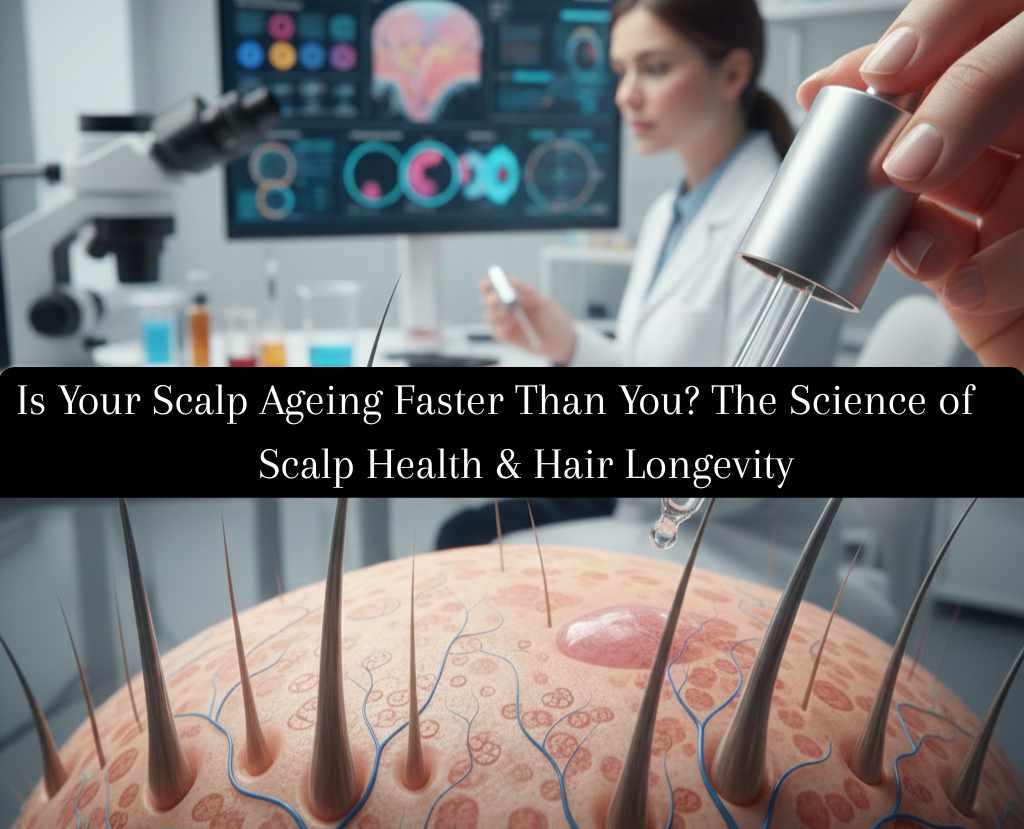
You’re not imagining it: scalp aging can outpace other aging signs because it reflects cumulative UV damage, oxidative stress, hormonal shifts, and dermal–immune changes that thicken and stiffen the outer scalp as follicles move toward inflammation. Key signals include slowed hair-mraft cycles, reduced nutrient delivery, and microbiome shifts. The framework centers on inflammation, circulation, and follicle health—the longevity tripod. Start with evidence-based practices and track five simple scalp metrics to gauge progress as you explore proven and emerging options. This path reveals more ahead.
What Scalp Aging Really Is: Core Biology
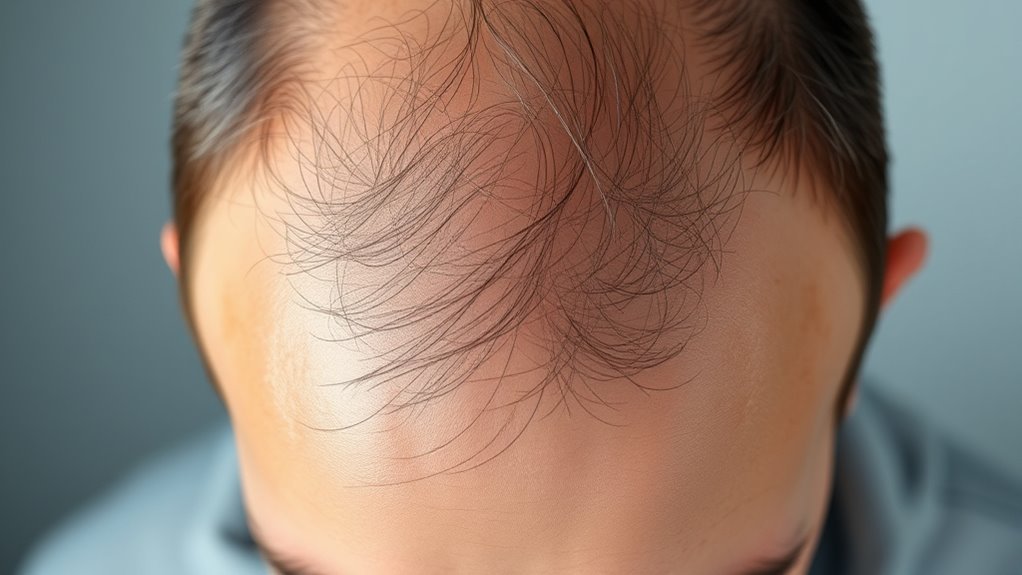
Scalp aging reflects changes in skin biology beneath the hair follicles, driven by cumulative UV exposure, oxidative stress, hormonal shifts, and alterations in dermal and immune function. You’re observing a biological process where the scalp’s outermost layers thin and stiffen, as follicular environments shift toward a pro-inflammatory state. In this core biology, the scalp microbiome profiles shift, influencing barrier integrity and local immunity. Structural proteins under hair shaft keratinization adjust with age, altering hair fiber formation and resilience. Vascular and dermal changes reduce nutrient delivery, subtly impacting growth cycles. You may notice slower turnover and subtle texture changes. Clinically, these markers help distinguish intrinsic aging from external insults, guiding targeted strategies that support scalp health, resilience, and long-term hair longevity.
The Biological Signals Behind Aging Hairs
Comprehending the signals that mark aging hairs requires looking at the biology that governs follicular timing and fiber formation. You’ll see aging reflected in altered keratinocyte signaling and shifts in follicular cycling, not just pigment loss. Evidence links changes in keratinocyte communication to slower matrix deposition, shorter anagen phases, and thinner, weaker fibers. The scalp microbiome also modulates these processes, influencing barrier function and local inflammation that can subtly affect follicle activity. By understanding these molecular cues, you recognize aging as a coordinated dialogue between skin cells and their microbial environment. Below is a concise view of these signals.
| Signal 1 | Signal 2 |
|---|---|
| Keratinocyte signaling shifts | Microbiome-mediated modulation |
| Follicular cycling changes | Fiber formation efficiency |
| Barrier integrity impact | Inflammatory milieu influence |
| Early biomarkers | Therapeutic targets |
Inflammation, Circulation, and Follicle Health: The Longevity Tripod
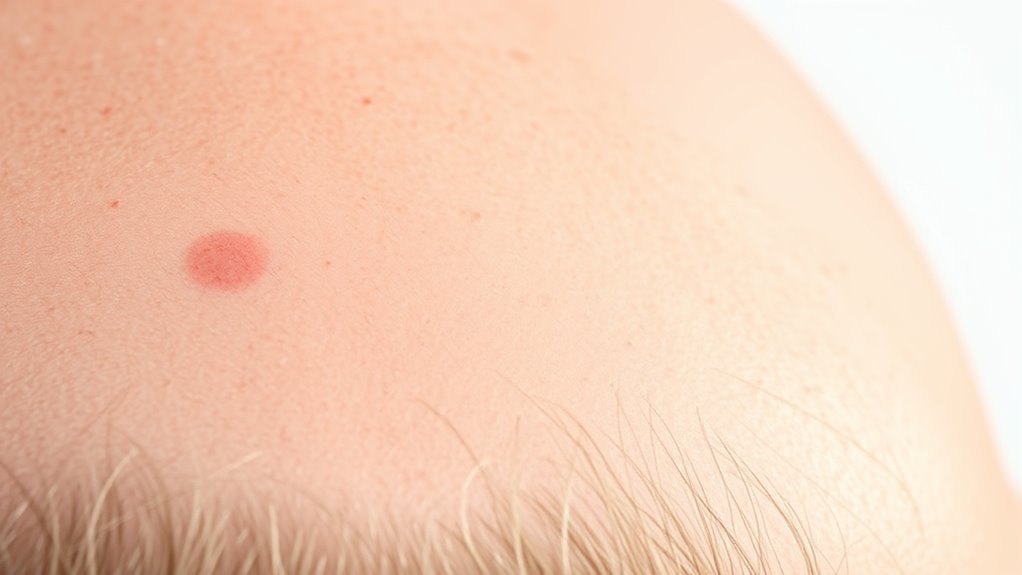
Inflammation, circulation, and follicle health form a triad that underpins scalp longevity, with vascular and immune processes shaping follicular resilience over time. You’ll see how inflammation markers reflect localized immune activity that can influence stem cell function and follicle cycling, linking systemic signals to follicular outcomes. Microcirculation metrics quantify capillary density, flow, and perfusion, offering a precise read on nutrient delivery and waste removal within the follicular microenvironment. When these systems align—controlled inflammation, robust microvascular function, and stable follicle signaling—you experience slower thinning and more resilient hair growth. Conversely, chronic, dysregulated inflammation and impaired microcirculation associate with accelerated aging patterns. In clinical practice, monitoring these axes guides targeted interventions and supports a shared, informed path toward healthier scalp longevity.
Habits That Help or Hinder Scalp Aging
Your daily habits shape scalp aging, with consistent routines supporting barrier function and circulation, while poor patterns can accelerate decline. Nutrition directly affects follicular health, meaning balanced intake of essential fats, vitamins, and minerals matters for sustained scalp vitality. Stress management and sleep quality modulate inflammatory pathways linked to aging, so targeted strategies can help mitigate age-related changes.
Daily Habits Impact
Are daily habits shaping your scalp as much as your genetics does—or more? In this section, you’re guided by evidence to distinguish actionable routines from neutral patterns. Consistent scalp care—gentle cleansing, appropriate hydration, and avoiding harsh chemicals—supports barrier function and follicular health. Subtopic idea one, such practices correlate with slower visible aging markers and steadier hair density over time. Conversely, subtopic idea two, repetitive mechanical stress, heat exposure, and irregular shampooing can disrupt the scalp microbiome and promote irritation, potentially accelerating aging signs. Maintain a predictable regimen, monitor responses, and prioritize products with proven, nonirritating ingredients. Engagement with clinical guidelines improves adherence and outcomes. Your daily choices matter: deliberate habits foster a resilient scalp and longer-lasting hair vitality.
Nutrition For Scalp Health
Dietary patterns directly influence scalp health and hair longevity through nutrient availability that supports barrier integrity, follicular cycling, and microbial balance. You’ll optimize outcomes by prioritizing anti-inflammatory, nutrient-dense foods that sustain the scalp microbiome and reduce irritation. Emphasize adequate protein, essential fatty acids, zinc, iron, and B vitamins, which support keratin synthesis and cellular turnover. Vitamin deficiencies, even subtle ones, can weaken barrier function and alter follicle dynamics, potentially accelerating aging signals. Choose varied whole foods: fatty fish, leafy greens, legumes, nuts, seeds, and fortified products when needed. Limit ultra-processed items high in added sugars and unhealthy fats, which can disrupt microbial harmony. Consistent hydration and mindful meals reinforce resilience, fostering a sense of belonging to a healthier, evidence-informed care routine.
Stress And Aging Links
Chronic stress and poor coping behaviors can accelerate scalp aging by perturbing hormonal balance, inflammation, and microvascular health, all of which influence barrier integrity and follicular cycling. You’ll learn that stress exposure shows a clear stress correlation with measurable aging biomarkers in scalp tissues and circulation. Recurrent activation of the HPA axis can dampen keratinocyte renewal and disrupt sebum production, nudging you toward diminished barrier resilience. Practical strategies—structured sleep, mindful breathing, and regular physical activity—consistently reduce allostatic load and normalize inflammatory mediators. Informed choices about work-life boundaries support vascular and follicular health, alignING your daily habits with evidence-based risk reduction. Adopting these behaviors fosters belonging, promoting shared understanding that managing stress benefits your scalp’s aging trajectory.
Treatments for Scalp Aging: What Works Now and What’s Emerging
Emerging treatments for scalp aging are shaping what’s feasible today and what may come next, with a focus on evidence-backed therapies and practical applicability. You’ll see a mix of proven scalp therapies, ongoing trials, and mechanisms that suggest longer-term benefits for hair health and resilience. In this brief overview, we’ll outline the emerging spotlight, summarize the current evidence, and highlight actionable longevity tactics to consider now.
Emerging Treatments Spotlight
What now works for scalp aging—and what’s on the horizon—poses a practical question for patients and clinicians alike: which treatments deliver measurable improvements in hair density, scalp microenvironment, and follicular health, and how soon can we expect them to be clinically available? In this Emerging Treatments Spotlight, you’ll encounter rigorously tested approaches advancing through early-phase timing experiments, with careful attention to study design and endpoints. Promising modalities—including targeted molecular therapies, optimized topical formulations, and augmentative devices—are evaluated for real-world applicability, safety, and durability. Across trials, placebo controls anchor effect sizes, ensuring observed gains exceed natural variability. You’ll find that transition timelines hinge on robust replication, standardized outcome measures, and regulatory milestones. This focused lens helps you partner with clinicians toward informed, attainable improvements in scalp health.
Evidence For Scalp Therapies
Evidence for scalp therapies now centers on interventions with demonstrated, replicable effects on hair density, scalp microenvironment, and follicular health. In practice, you’ll encounter approaches backed by controlled studies showing meaningful changes in cosmetic indices and objective measures. Targeted modulation of the scalp microbiome emerges as a plausible mechanism to reduce inflammation and support follicular function, while topical and light-based modalities offer reproducible improvements in density and shaft strength. You’re encouraged to assess therapies that demonstrate consistent replication across independent cohorts, rather than single-center reports. Safety profiles, long-term tolerability, and patient-reported outcomes inform decision-making alongside clinician assessment. When considering options, weigh accessibility, adherence, and alignment with your goals for scalp health and sense of belonging in a scientifically literate community.
Practical Longevity Tactics
Practically speaking, directing scalp aging involves deploying interventions with demonstrated, replicable benefits for density, follicular health, and the scalp’s microenvironment, all while prioritizing safety and long-term tolerability. You’ll prioritize evidence-based regimens, monitor tolerability, and adjust as data evolves. Practical tactics include validated topical agents, procedural therapies, and regimen consistency to support sustained density and microvascular health. Emerging approaches emphasize personalization, scalp fragrance considerations, and the emerging concept of follicle fashion—aesthetic choices aligned with biologic resilience. Adopt a measured, informed path, balancing cosmetic goals with safety. Regular assessment, adherence, and shared decision-making empower you to age gracefully with scalp health as a foundational, belonging-bearing goal.
| Evidence-based interventions | Emerging considerations |
|---|---|
| Topicals, standards, safety | Personalization, fragrance, aesthetic expression |
| Maintenance scheduling | Long-term tolerability, monitoring |
Read Your Scalp: 5 Easy Metrics to Track Health
Curious how your scalp isreally faring day to day? You can gauge health with five practical metrics you can track reliably.
1) Scalp texture — note smoothness vs. rough patches or flakiness, indicating barrier integrity.
2) Oil balance — observe shine, dryness, and sebum distribution to assess sebum production.
3) Inflammation signs — count redness, itching, or tenderness that hint at irritation or sensitivity.
4) Hair shedding rate — quantify daily strands to detect abnormal loss patterns.
5) pliability and comfort — evaluate tightness or discomfort after washing, reflecting follicular stress.
Track changes over weeks to identify trends. Interpreting these metrics supports informed decisions about scalp care, supporting a sense of belonging to a science-informed community dedicated to scalp health.
Build Your Personal Scalp-Aging Plan: Routine, Supplements, and Expectations
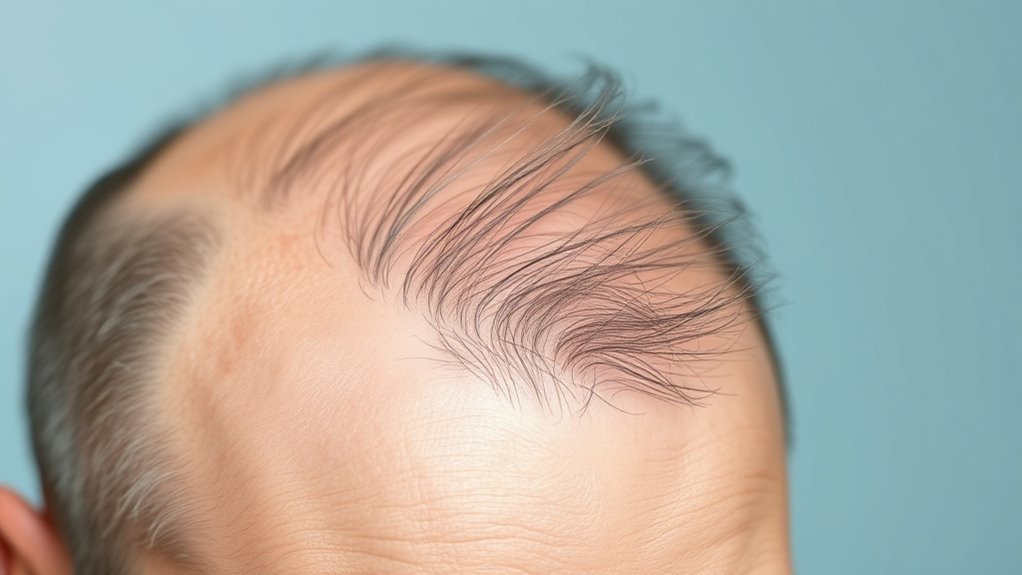
After tracking your scalp with the five practical metrics, you’re ready to turn insights into action. Build a personal routine that targets measurable age markers while honoring your daily life. Begin with a consistent cleansing and conditioning plan that preserves barrier function and minimizes inflammation. Choose evidence-based ingredients (antioxidants, niacinamide, growth-factor–supporting peptides) and tailor frequency to your scalp’s response, not a calendar. Supplements, if considered, should be discussed with a clinician and aligned with validated targets like oxidative stress reduction and nutrient adequacy. Set expectations: improvements in comfort, appearance, and resilience may emerge gradually over weeks to months. Track progress with your metrics, adjust exposure to stressors, and maintain social support to sustain adherence and a sense of belonging in your scalp-care journey.
Frequently Asked Questions
Can Scalp Aging Be Slowed by Diet Alone?
No, diet alone isn’t enough to halt scalp aging. A diet focus supports hair health, but lifestyle impact matters too, including stress management, sleep quality, and sun protection. You’ll likely see better results by integrating nutrient-rich meals with regular scalp care and exercise. Favor antioxidants, omega-3s, and protein, while limiting processed foods. Consistency matters: sustained dietary patterns, coupled with scalp hygiene and sun guards, promote resilience and healthier aging of your scalp.
Do Genetics Override Scalp Care Interventions?
“Where there’s a will, there’s a way.” Genetics can influence outcomes, but it doesn’t erase care—genetic dominance may set limits, yet informed scalp care can still matter. You can’t rely on genes alone; consistent interventions matter. Evidence shows customized scalp care can offset, to a degree, genetic factors, whereas care override remains possible with optimized routines, sun protection, and nutrition. So, your daily practices still shape longevity and health, even when genetics loom large.
How Do Hormones Influence Scalp Aging?
You’re right to ask: hormones influence scalp aging by driving hormonal fluctuations that affect hair cycle dynamics and follicle resilience. Endocrine age influencers include androgens, estrogens, and cortisol, which can alter sebum, inflammation, and follicular vitality. You may notice cycle-related shedding or finer texture as these signals shift. Clinically, consistent scalp care and targeted therapies may counteract these effects, helping you feel supported, connected, and integrated into evidence-based strategies for longevity.
Is Scalp Age Reversible After a Certain Point?
Reversibility isn’t absolute; age-related limits exist, but you can slow and partly reverse signs with evidence-based care. You’ll benefit from a balanced diet, regular scalp stimulation, and targeted treatments. Diet impact is meaningful, whereas genetic overrides set baseline tendencies you can’t fully override. Early intervention matters. If you’re past certain thresholds, improvements plateau, yet you still gain from consistent routines, professional guidance, and monitoring to maximize resilience and maintain a sense of belonging in care.
What Signs Indicate Needing a Dermatologist?
Do you notice persistent itching, redness, or thinning hair that doesn’t respond to home care? These are signs of scalp aging requiring a dermatologist indicators review. If symptoms worsen over weeks, lesions, scaling, or unusual patches appear, seek expert evaluation promptly. A dermatologist can assess for inflammatory or autoimmune causes, hormonal influences, or infections, and tailor evidence-based treatments. Early referral improves outcomes and helps you feel confident about your scalp health and belonging in care.
Disclaimer: This content is for educational purposes only. Individual results may vary. Always consult a qualified practitioner before starting treatment.