

PCOS Hair Loss: Causes, Hormonal Impact & Treatment Options in Leeds
Polycystic Ovary Syndrome (PCOS) affects millions of women worldwide and is one of the most common hormonal disorders among women of reproductive age. While symptoms like irregular cycles, acne, and weight fluctuations are often discussed, one of the most distressing — and less talked about — effects is hair thinning or hair loss.
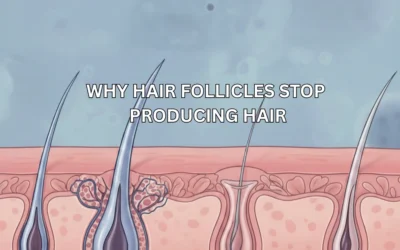
PCOS-related hair loss occurs due to hormonal imbalance, especially when androgen (male hormone) levels rise above normal. These androgens convert into Dihydrotestosterone (DHT), a hormone known to shrink hair follicles and shorten the natural growth phase of hair. The result? Gradual thinning on the scalp, particularly around the crown and temples.
This condition, known as androgenic alopecia, can deeply affect confidence and self-image. However, with early diagnosis and the right combination of non-surgical therapies, many women see significant regrowth and improved hair density.
Common Solutions for Managing PCOS Hair Loss
• Balanced Diet: Eat foods rich in iron, zinc, biotin, and other essential nutrients to strengthen hair follicles.
• Regular Exercise & Stress Management: Helps regulate hormones and reduce androgen-related hair loss.
• Gentle Hair Care: Avoid harsh styling, excessive heat, and chemical treatments that damage hair.
• Topical Support: Products like minoxidil can promote follicle activity and slow thinning.
• Scalp Care: Gentle scalp massages and nourishing oils improve blood circulation and follicle health.
• Healthy Lifestyle Choices: Adequate sleep, hydration, and managing insulin levels can support overall hair growth.
Scientific Insights into PCOS Hair Loss
According to research shared by Scandinavian Biolabs, restoring healthy hair growth in PCOS involves balancing internal hormones and activating external follicle response. Growth factors such as VEGF (Vascular Endothelial Growth Factor) and IGF-1 (Insulin-like Growth Factor-1) improve blood circulation and cell regeneration, creating an environment where follicles can thrive again.
By combining hormone management and regenerative scalp therapy, women can regain not only thicker hair but also renewed self-confidence.
Non-Surgical Hair Loss Treatments in Leeds
Today’s regenerative hair treatments focus on stimulating dormant follicles, improving scalp circulation, and enhancing natural hair regrowth — without surgery. At our Leeds clinic, we offer scientifically tested therapies that combine medical innovation with visible results.
PRP Hair Therapy in Leeds
Platelet-Rich Plasma (PRP) therapy uses your own platelets to release growth factors that heal and rejuvenate scalp tissue. By delivering these regenerative proteins directly into the scalp, PRP helps activate weak follicles, improve density, and strengthen new hair growth naturally.
GFC Hair Therapy in Leeds
Growth Factor Concentrate (GFC) therapy is a next-generation solution derived from your own blood, rich in natural growth factors. It’s designed to boost cell renewal, reduce hair fall, and stimulate new strand formation — ideal for women experiencing PCOS-related hair thinning.
Exosome Hair Therapy
This cutting-edge treatment uses stem cell-derived exosomes to repair follicle cells at the molecular level. Exosome therapy promotes cellular regeneration, enhances scalp health, and encourages stronger, thicker regrowth for long-term results.
Microneedling for Hair Regrowth
Microneedling helps increase blood flow and collagen production, improving the scalp’s ability to absorb essential nutrients and boosting overall follicle vitality.
IV Drip Therapy
IV nutrition supports the body from within by restoring essential vitamins, minerals, and amino acids vital for healthy hair growth and hormone balance.
💬 Want to Know Which Treatment Suits You Best?
Chat with our specialists now for a personalised scalp and hair assessment. Our experts will guide you through the best non-surgical solutions tailored to your needs.
Final Thoughts
Managing PCOS hair loss requires patience and a holistic approach that addresses both internal hormonal balance and external follicle activation. With professional guidance and scientifically proven therapies, you can regain healthy, resilient hair.
Cosmeticstar is recognised as one of the best aesthetic clinics in Leeds, offering advanced regenerative treatments for skin and hair designed to restore confidence and natural beauty.
GDPR Notice: Your privacy matters. All online interactions and consultations comply with GDPR regulations. Learn more by visiting our Privacy Policy.
Disclaimer: This blog is just for learning and sharing info — it’s not professional advice. If you need real help, make sure to talk to a qualified expert who can give you the right fix.
Frequently Asked Questions
- How many PRP or GFC sessions are needed to see results?
Most patients notice reduced hair shedding and visible regrowth after 3–6 sessions, depending on the severity of hair loss and individual response. - Are PRP and GFC therapies safe for women with PCOS?
Yes. Both treatments use your body’s own components, making them natural, safe, and minimally invasive, especially when supervised by trained professionals. - Can Exosome Therapy be combined with PRP or Microneedling?
Absolutely. Exosome Therapy often enhances the effectiveness of PRP or Microneedling, promoting faster healing and stronger follicular response. - Can treating PCOS help reduce hair loss naturally?
Yes. Managing PCOS through lifestyle changes, diet, and medical guidance can help balance hormones and reduce excess androgen levels — one of the main causes of hair thinning. When combined with targeted hair restoration treatments, this approach often leads to stronger, healthier regrowth. - Does PCOS hair loss grow back once hormones are balanced?
In many cases, yes. Once hormonal levels stabilise and scalp health improves, dormant hair follicles can reactivate, allowing regrowth over time. Early intervention, consistent treatment, and stress management play key roles in achieving lasting results.
0 Comments