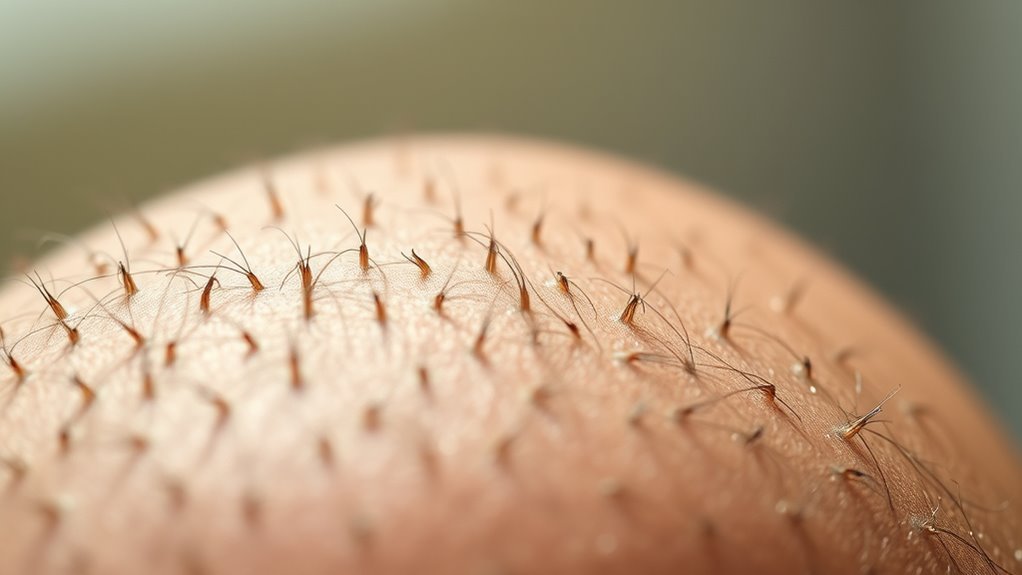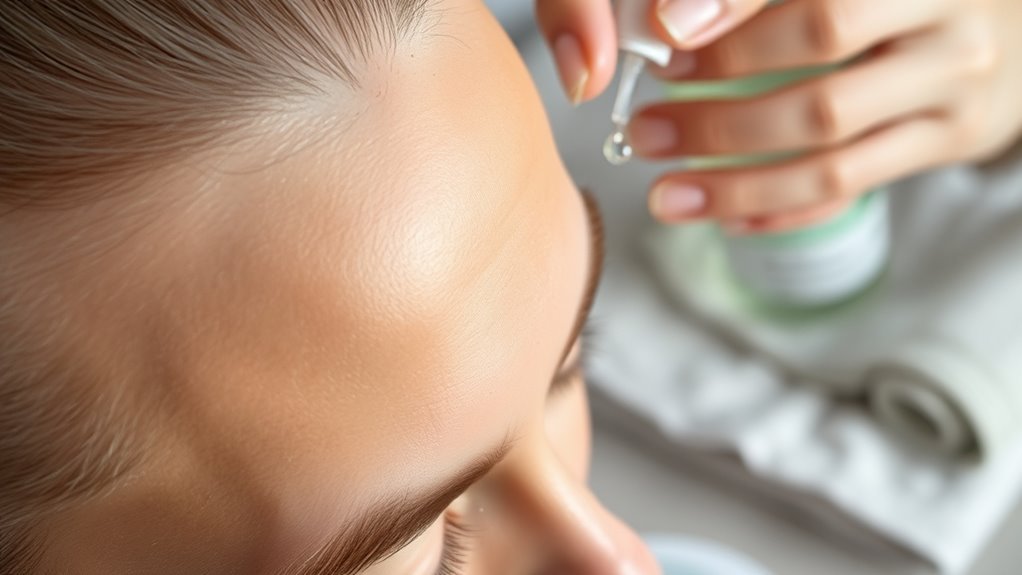

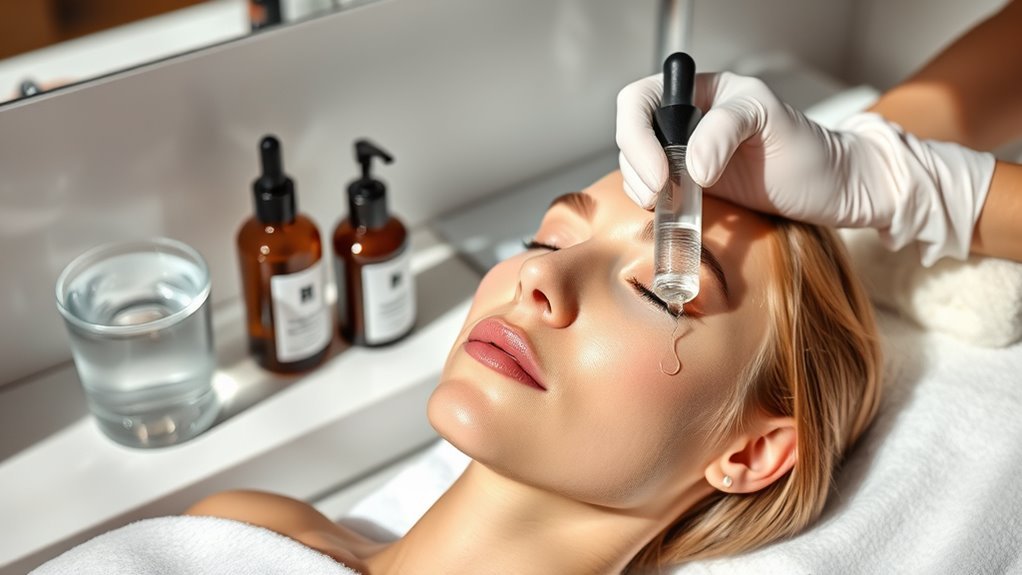
Post-treatment skincare for PRP, lasers, and SMP centers on gentle care that protects healing skin and supports remodeling. Start with a brief healing window of gentle cleansing, lukewarm water, and patting dry. Use broad-spectrum sunscreen SPF 30+ daily and reapply often when outdoors. Hydrate with non-irritating moisturizers and humectants; avoid fragrance, alcohol, and irritants. Reintroduce actives slowly, monitoring for sensitivity. Consistency matters—follow clinician timelines to prevent setbacks, and you’ll unleash progressively better results as you continue.
What Happens to Your Skin Right After PRP, Laser, or SMP
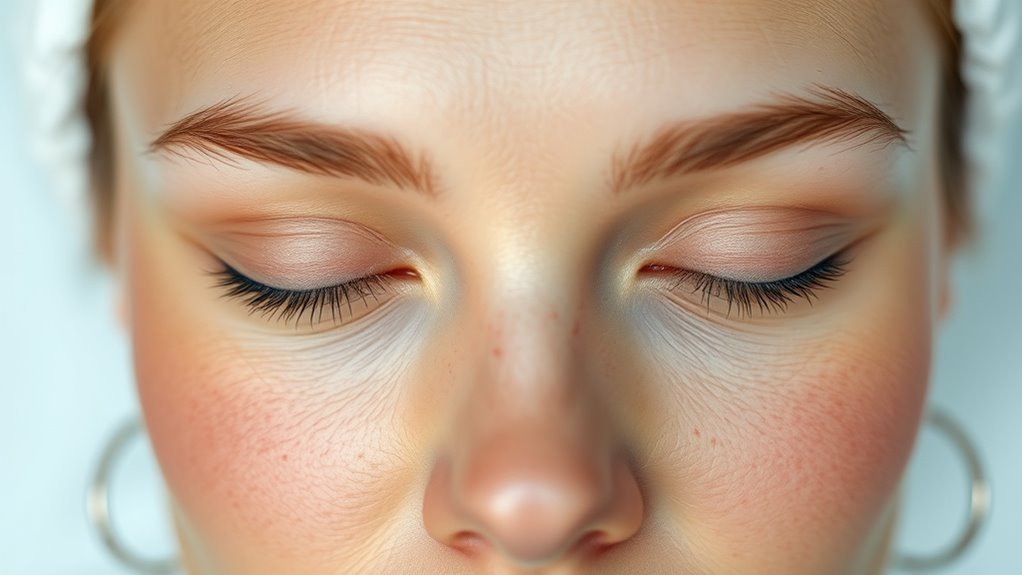
After PRP, laser, or SMP, your skin undergoes immediate and distinct responses depending on the treatment. You’ll notice subtle redness and warmth with PRP, mild swelling and a light tingling after laser, or pinpoint stations with SMP. These reactions reflect collagen stimulation, pigment adjustment, or follicular remodeling occurring in real time. Expect brief post treatment sensations such as slight sensitivity, temporary crusting, or a parchment-like feel, which typically resolve within hours to days. Immediate aftercare tips emphasize gentle handling, sun protection, and avoiding irritants to prevent protocol disruption. You’re not alone in this—evidence-based guidance supports careful monitoring, prompt reporting of unusual changes, and adherence to your clinician’s specific timelines for activity and topicals. Trust the process, prioritize safety, and observe gradual improvement.
Gentle Daily Cleansing for the Healing Window
Gentle daily cleansing during the healing window is essential to support recovery after PRP, lasers, or SMP. You’ll want a minimalist approach: mild cleansers, lukewarm water, and patting dry to preserve healing barriers. Avoid aggressive scrubbing, steam, or hot water that can irritate sensitive skin. Implement a simple daily regimen: cleanse once daily, rinse thoroughly, then apply any prescribed or non-irritating moisturizers as recommended by your clinician. This routine reduces crusting, minimizes bacteria transfer, and supports product absorption without disruption of the healing process.
| Step | Action | Reason |
|---|---|---|
| 1 | Use a gentle cleanser | Prevents irritation |
| 2 | Rinse with lukewarm water | Protects barrier |
| 3 | Pat dry and moisturize | Maintains hydration |
A consistent daily regimen reinforces safety and belonging within your post-treatment care. gentle cleansing
Post-Treatment Sunscreen: How to Protect Delicate Skin
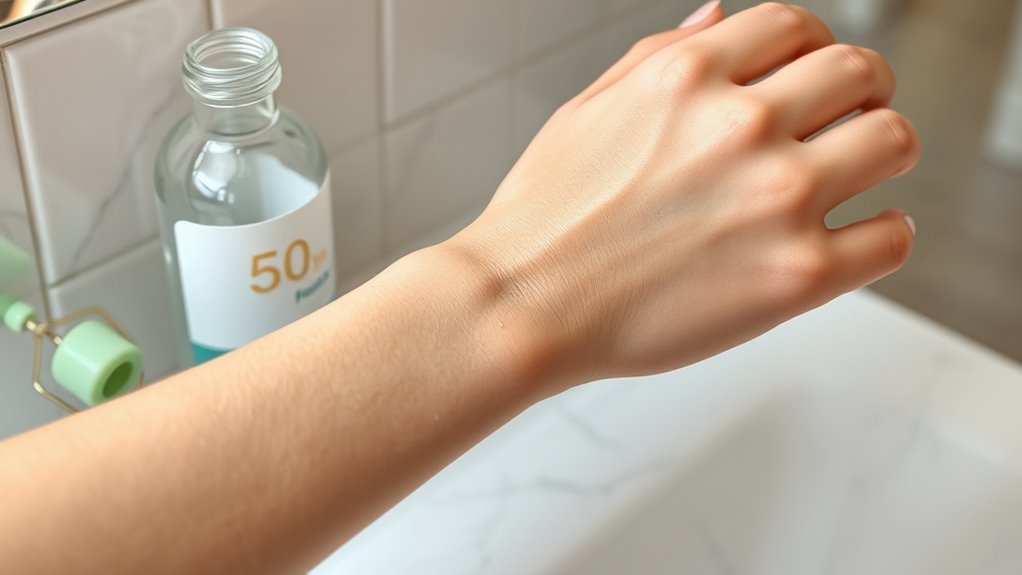
Really essential: protecting delicate skin after PRP, lasers, or SMP hinges on smart sunscreen use. You deserve durable protection that supports healing, not irritation. Choose a broad-spectrum, mineral or chemical sunscreen with SPF 30 or higher, and apply generously 15–30 minutes before sun exposure. Reapply every two hours, more often if sweating or swimming, and after cleansing or towel-drying. For delicate skin protection, avoid fragrances, alcohols, and irritants; test a small patch first. Seek sunscreens labeled non-comedogenic and suitable for sensitive or post-procedure skin. Wear protective clothing, hats, and shade during peak UV hours. Consistency matters: daily use after treatments reinforces barrier recovery and reduces pigment risk, aligning with a responsible, belonging-rich skincare routine.
Hydration and Soothing Products for Sensitive Skin
Hydration and soothing steps are the foundation for recovery after PRP, lasers, or SMP, especially when the skin is more permeable and reactive. You’ll want evidence-based formulas that restore moisture without irritation, supporting barrier repair and comfort. Look for gentle humectants like glycerin, hyaluronic acid, and ceramides, paired with non-irritating emollients. Avoid fragrance, essential oils, and harsh actives during sensitive phases.
| Hydration tip | Soothing formula | Expected effect |
|---|---|---|
| Layer humectants | Ointment or balm | Lock in moisture, reduce sting |
| Ceramides weekly | Non-irritating peptide | Restore barrier integrity |
| pH-balanced cleansers | Cooling, bland textures | Gentle cleansing, calm skin |
| Cold compresses | Calming emollients | Quick relief, reduced redness |
Prioritize products labeled for sensitive or post-procedure skin; consistency beats intensity.
Common First-Week Pitfalls to Avoid
You’ll want to start with Pitfall Prevention Basics to set boundaries for post-treatment care and reduce disruption to healing. Pay attention to Healing Timeline Cues so you can adjust activities and products as your skin responds in the first week. Be mindful of Irritants To Avoid, as exposure to certain ingredients or practices can blunt results and extend recovery.
Pitfall Prevention Basics
Ever wonder what trips people up in the first week after PRP, lasers, or SMP? Pitfall prevention hinges on recognizing common missteps and correcting them quickly. You’ll boost pitfall awareness by sticking to clinician guidance, delaying aggressive products, and safeguarding treated areas from sun and friction. Small errors can compound into longer downtime or uneven results, so choose actions that support steady recovery rather than shortcuts. Focus on consistent, evidence-based routines and ask questions if anything feels off. The goal is predictable healing, not hurry.
- Follow post-care instructions precisely to minimize recovery missteps
- Avoid irritants, harsh rubbing, and sun exposure during the first week
- Seek timely medical advice for unusual swelling, pain, or discharge
Healing Timeline Cues
Healing timeline cues: in the first week, certain signs signal normal healing whereas others require prompt attention. You should recognize expected recovery cues, such as mild redness, light swelling, and subtle tingling—these align with healing milestones and indicate your treatment is progressing. Moderate crusting or dryness is common after many procedures and typically resolves within days. If you notice persistent or worsening redness, heat, severe pain, or spreading discharge, seek guidance promptly, as these may signal infection or irritation requiring assessment. Avoid delaying care for unusual bumps, intense itching, or new systemic symptoms like fever. Keep hydration and gentle cleansing as directed, and document changes to monitor trends. Adhering to recovery cues supports consistent results and fosters a sense of belonging to a careful, informed care community.
Irritants To Avoid
What irritants should you avoid in the first week after PRP, lasers, or SMP? In the first seven days, you must minimize exposure to substances that can inflame or disrupt healing. Avoid irritants to avoid prolonging redness, swelling, or pigment irregularities. Pay attention to cleansing pitfalls: over-washing, aggressive scrubs, and harsh detergents can strip the protective barrier and exacerbate sensitivity. Instead, keep routines gentle, use lukewarm water, and a physician-recommended cleanser.
- Avoid aggressive cleansing and scrubs
- Skip fragrance-heavy products and alcohol-based toners
- Don’t rub, peel, or pick at treated areas
Following these guidelines supports a clear, connected recovery. If irritation persists or you notice unexpected changes, contact your clinician promptly for guidance.
Gentle Therapies to Speed Comfort and Recovery
Gentle therapies can speed comfort and recovery after PRP, lasers, and SMP by supporting the skin’s natural healing processes without adding irritation. You’ll benefit from intentional, evidence-based practices that reinforce barrier function and reduce inflammation. Focus on nonirritating, soothing approaches such as mild massage using gentle touch, and avoid aggressive manipulation. Calming textures—soft fabrics, cool compresses, and breathable dressings—provide physical cues that help your body settle into healing. Prioritize brief, controlled applications rather than prolonged exposure to any stimulus. Hydration remains vital, but use fragrance-free, hypoallergenic products with minimal active ingredients. Monitor for signs of improvement and avoid patterns that provoke redness or stinging. Consistency and patience underlie faster comfort and steady recovery.
When to Resume Regular Skincare and What to Expect Next
Once your skin shows consistent improvement over the first 1–2 weeks, you can begin reintroducing regular skincare steps in a gradual, science-based sequence that respects the healing timeline. You’ll notice improved texture and a steadier tone as inflammation subsides, but you should align routine changes with post treatment timelines to avoid setbacks. Expect gentler products first, with sunscreen as non-negotiable daily practice. Over the next weeks, you’ll gradually reintroduce actives, monitoring for sensitivity or flares. Consistency and patience pay off, and your long-term results depend on adhering to this pace and your clinician’s guidance.
- Prioritize gentle cleansers and moisturizers before reintroducing actives
- Use broad-spectrum sunscreen and avoid peak sun exposure
- Track reactions to fine-tune routine expectations and timing
Frequently Asked Questions
Is There a Specific Timeline for Returning to Makeup After PRP, Lasers, or SMP?
Yes. You should wait at least 24–48 hours after PRP, lasers, or SMP before applying makeup, depending on your clinician’s healing education. Start with clean, hypoallergenic products and follow product safety guidelines. Gradually reintroduce makeup as your skin heals, watching for irritation. Respect the timeline return for your specific treatment, and avoid heavy or pore-clogging products initially. If unsure, consult your provider for personalized makeup rules and aftercare.
Should I Avoid Sweating or Exercise During the Healing Window?
“An ounce of prevention is worth a pound of cure.” Yes, you should avoid sweating and heavy exercise during the healing window. Sweat can irritate treated skin and raise infection risk, while intense activity increases blood flow and may compromise results. Follow your clinician’s recommended exercise timing and lite activity as tolerated. Use sweat precautions like breathable clothing and gentle cleansing, and gradually resume workouts as healing progresses. Trust evidence-based guidelines for optimal outcomes and comfort.
Can I Use Exfoliants or Retinoids After These Treatments?
Yes, you can mostly resume exfoliants and retinoids, but with limits. For exfoliant safety, wait until your clinician confirms the skin’s barrier is healing and start with a gentler, lower-strength product. Regarding retinoid timing, reintroduce only after full crusting or redness subsides, then begin with a pea-sized amount several nights per week. Progress gradually. Stay vigilant for irritation, and consult if you notice persistent flaking, burning, or increased redness.
What Signs Indicate a Complication Requiring a Clinician Visit?
Signs indicating a complication requiring a clinician visit include fever, increasing pain or swelling, spreading redness, purulent drainage, score-based skin reactions beyond expected post-procedure changes, and persistent tenderness beyond 72 hours. If you notice any of these, seek urgent or same-day care. These post procedure signs drive clinician referral criteria and help ensure prompt evaluation. You deserve accurate guidance you can trust, reinforcing your sense of belonging within a safety-focused, evidence-based care community.
Are There Foods or Supplements That Hinder Healing After These Procedures?
Yes—some foods and supplements can hinder healing after these procedures. You should avoid high-dose vitamin A, fish oil, turmeric, garlic, and spicy or acidic foods if irritation occurs, as they may affect inflammation and clotting. Consider timing: take supplements like vitamins C or zinc at recommended levels, spacing around treatment days. Food interactions matter, so plan meals that are balanced. For best results, stagger supplement timing and consult your clinician if unsure.