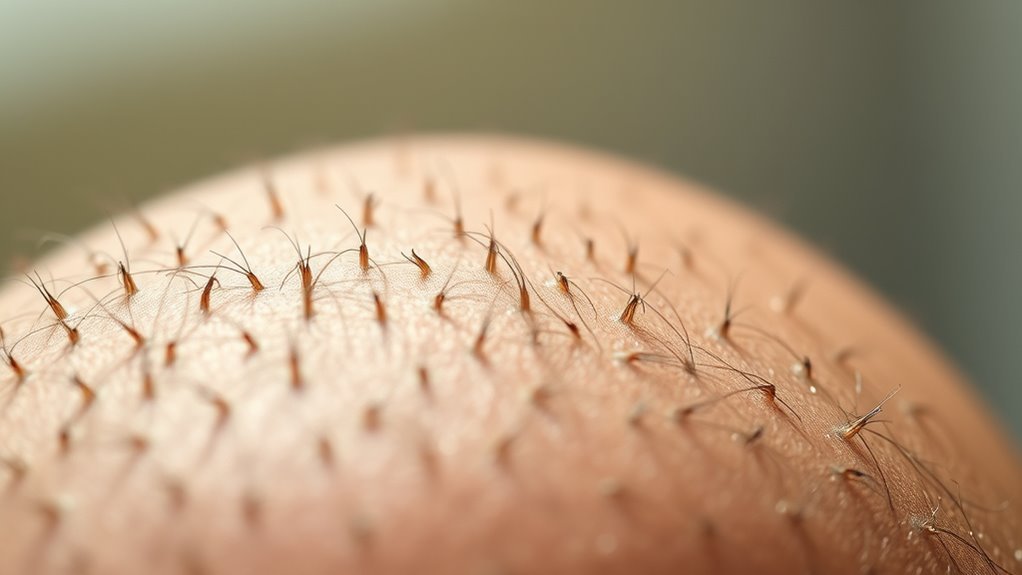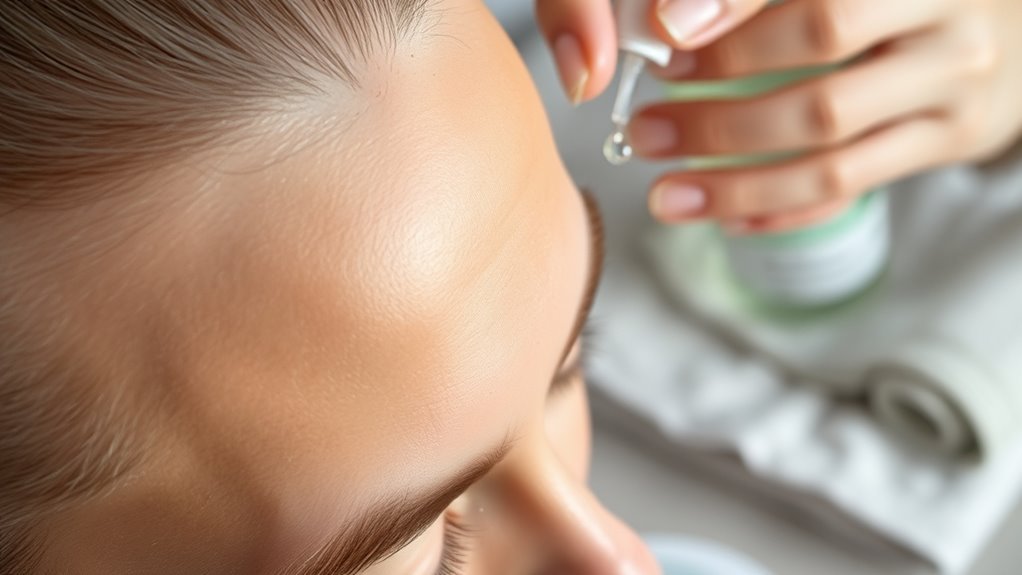

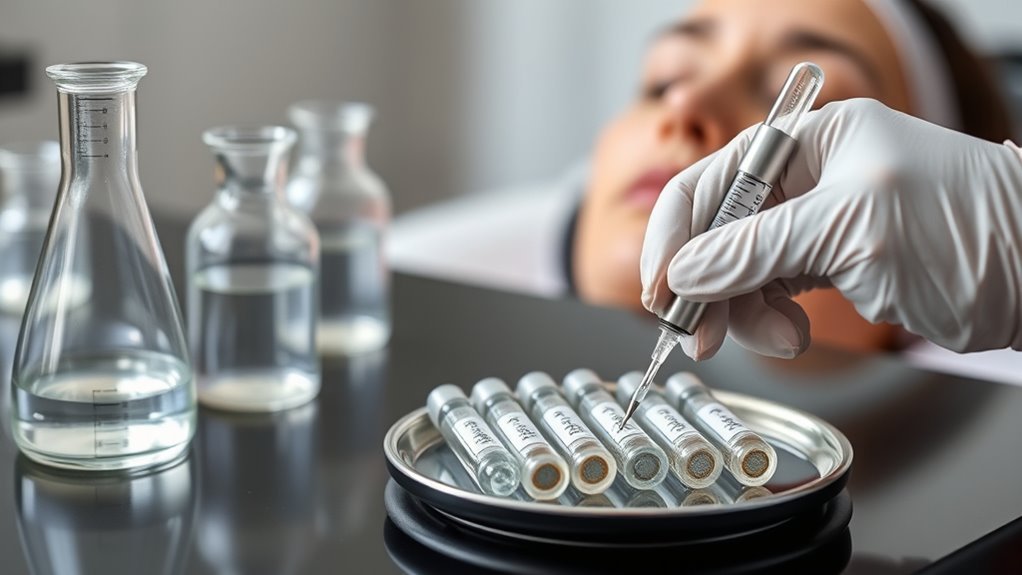
PRF and PRP are your autologous options for skin and hair rejuvenation. PRF delivers a slower, sustained release of growth factors within a fibrin scaffold, supporting durable collagen remodeling and steadier results, while PRP provides a higher initial growth factor burst for quicker early gains. Skin treatments tend toward dermal remodeling and texture improvement, while hair applications focus on follicular health and density. Your best choice depends on goals, availability, and clinician guidance; further details can help you decide.
What PRF and PRP Do for Skin and Hair
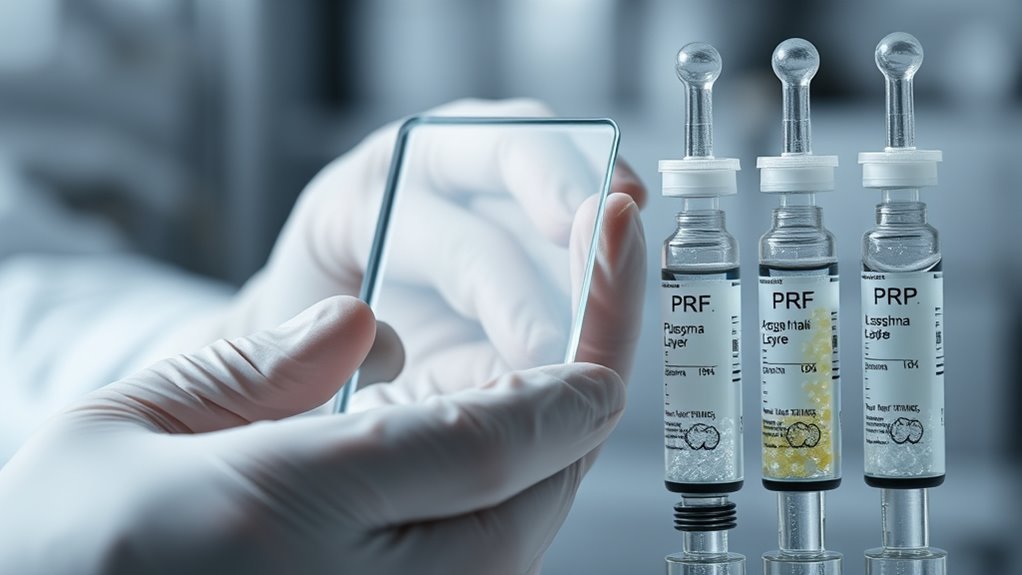
PRF and PRP are rich sources of your own platelets, growth factors, and cytokines that stimulate tissue repair and regeneration. When applied to skin, they modulate inflammation, enhance collagen remodeling, and improve texture, tone, and small volume loss. For hair, these concentrates target follicular cells, promoting microcirculation and stimulating hair shaft growth in responsive follicles. PRF vs PRP differ in matrix structure and release dynamics: PRF offers a fibrin scaffold with a slower, more sustained release, while PRP delivers a higher initial concentration of growth factors. Skin focus emphasizes dermal rejuvenation and scar modulation, whereas hair focus centers on follicular health and density. Either option supports patient goals of renewed appearance and confidence within a clinically precise, inclusive care pathway.
How PRF and PRP Boost Collagen
Collagen remodeling is a core mechanism by which both PRF and PRP contribute to skin and scalp rejuvenation, building a stronger, more elastic dermal matrix as part of your treatment plan. You’ll note that platelet concentrates release growth factors and cytokines in a sustained, gradual fashion, supporting fibroblast activity and matrix synthesis. In practice, PRF tends to provide a denser fibrin scaffold, potentially slowing release but extending biologic activity, while PRP offers a more rapid factor burst. Discussion ideas include optimizing timing, density, and session spacing to maximize collagen deposition. When evaluating, consider PRF vs PRP chemistry nuances and how they influence collagen organization. Comparison metrics for collagen boosting should address thickness, fiber alignment, and long-term elasticity to guide your personalized plan.
PRF vs PRP for Skin Rejuvenation: Efficacy Compared
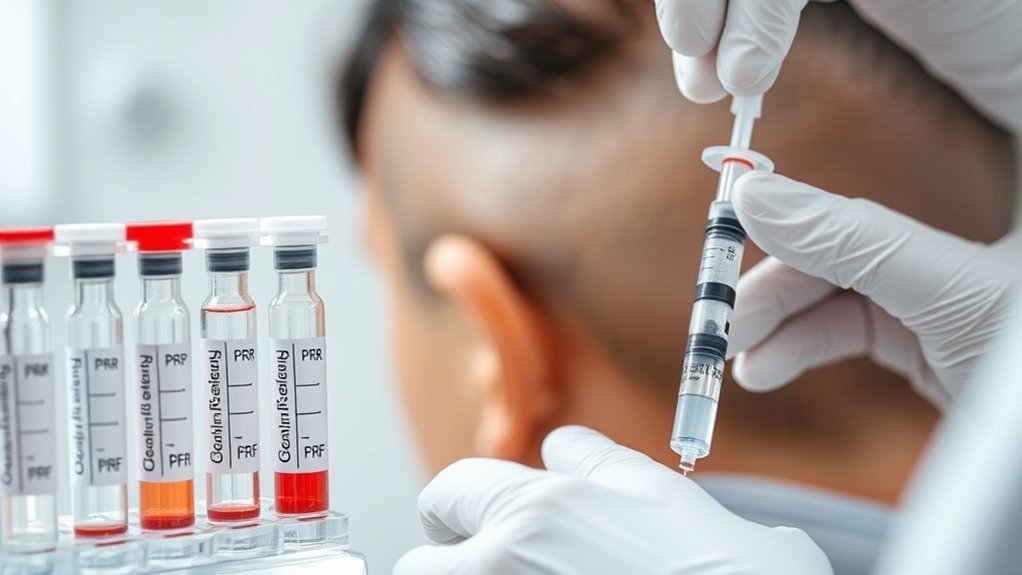
PRF and PRP show comparable initial improvement in skin texture and tone, but their longevity can differ, influencing how often treatments may be needed. You’ll want to contemplate how durable the results are over time when choosing between the two, not just the immediate effects. This section will compare efficacy duration and consistency to help guide your decision.
Efficacy Comparisons Sharp
How do PRF and PRP stacks up in skin rejuvenation? In your treatment plan, you’ll see that PRF generally shows a steadier release of growth factors, translating to more gradual collagen remodeling. PRP often delivers a higher initial burst, which can accelerate early improvement. The efficacy contrast depends on preparation, patient biology, and target depths; results vary, but both modalities improve texture, tone, and small wrinkles when combined with microneedling or laser therapy. You should expect minor, transient swelling with either option. Safety profiles are comparable, with fewer risks when using autologous products. Your clinician will tailor the approach to optimize Longevity vs safety, prioritizing predictable results and your comfort, so you feel you belong in a care partnership focused on your goals.
Longevity of Results
Even though both PRF and PRP can enhance skin rejuvenation, the longevity of their results tends to diverge based on preparation, biology, and treatment context. You’ll notice PRF often yields more gradual, sustained improvement due to higher leukocyte content and a firmer fibrin matrix, while PRP may show quicker initial gains that wane sooner without maintenance. Across patients, durability hinges on concentration, activation method, and injection depth, plus lifestyle factors that influence collagen remodeling. To protect your investment, clinics offer longevity warranties where available and provide clear maintenance schedules—routinized touch-ups, topical adjuncts, and sun protection plans. Discuss expected timelines, potential plateau phases, and warranty terms before treatment, so you can align expectations with personalized, evidence-informed strategies for enduring skin rejuvenation.
PRF vs PRP for Hair Health: Efficacy Compared
Both platelet-rich fibrin (PRF) and platelet-rich plasma (PRP) are used to support hair health, but their efficacy differs in several key ways. You’ll notice PRF advantages include a fibrin matrix that may prolong growth factor release, potentially supporting sustained follicular stimulation. PRP, meanwhile, provides higher immediate concentrations of growth factors, which can yield quicker initial responses for some individuals. Across studies, gains in hair density and regrowth are more variable with PRP, reflecting its limitations, including preparation variability and patient factors. You deserve a treatment plan aligned with your goals, tolerances, and prior responses. When choosing, discuss whether you prioritize faster onset (PRP) or longer-lasting signaling (PRF). This collaboration ensures your care reflects PRF advantages and PRP limitations relevant to you.
Downtime, Safety, and Side Effects
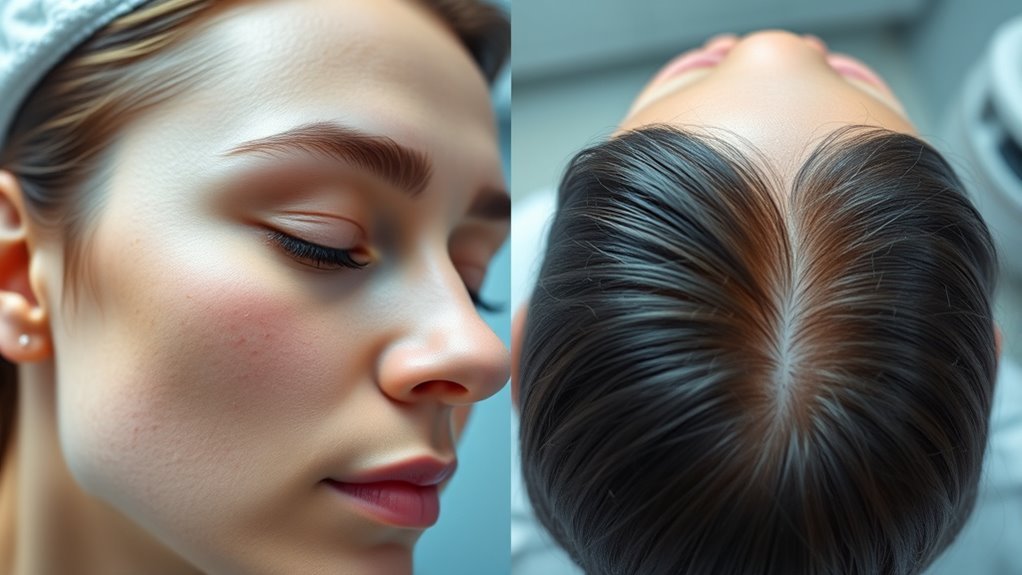
You’ll want to know what downtime to expect, how safety is assessed, and what side effects may occur with PRF versus PRP. We’ll cover practical recovery timelines, key safety considerations, and the most common, patient-reported side effects to help you make an informed choice. This discussion focuses on clear, evidence-based guidance to optimize your planning and minimize risks.
Downtime Expectations
Downtime and safety are central to choosing PRF vs PRP for skin and hair rejuvenation. You’ll want realistic expectations about recovery and activity resumption. With PRF, downtime is typically shorter, often allowing a return to light duties within 24 hours, though mild redness and pinpoint oozing can persist briefly. PRP may involve similar or slightly longer texture changes, depending on treatment area and technique. You should plan around session scheduling to minimize disruption, clustering sessions when appropriate, and avoiding strenuous activity for 24 to 48 hours. Your selection hinges on patient goals, tolerance for temporary redness, and how you prioritize rapid social reintegration. Discuss patient selection early, align with personal calendars, and tailor timing to optimize comfort and outcomes.
Safety Considerations
Have you considered how downtime, safety, and potential side effects differ between PRF and PRP for skin and hair rejuvenation? In this section, you’ll find clear, clinically grounded guidance on safety considerations. Both therapies aim to minimize risk when performed by qualified clinicians with validated protocols. Expect localized redness, minor swelling, and transient tenderness that typically resolve within 24 to 72 hours. Notable differences relate to preparation, handling, and volume, but both prioritize sterility and technique. Prioritize skin safety by choosing experienced operators and adherent aseptic measures. Ethical sourcing matters: validated, autologous materials reduce immunologic concerns. If you have systemic conditions or plan cosmetic procedures, discuss tailored risk mitigation with your clinician to maintain safety and confidence.
Potential Side Effects
Both PRF and PRP carry minimal, transient risks when performed by qualified professionals using validated protocols, but understanding the specific side effects helps you plan accordingly. You may notice mild redness, swelling, or tenderness at the injection or treatment site, typically resolving within 24 to 72 hours. Bruising or rare hematoma can occur, especially if you’re on anticoagulants or have delicate skin; cooling and gentle pressure usually reduce discomfort. Headache or brief fatigue may follow, though uncommon with proper technique. Expect minimal downtime; most activities resume within a day. Report any prolonged swelling, severe pain, or signs of infection immediately. This information reflects disclaimer emphasis and regulatory compliance considerations, guiding you toward safer choices and informed conversations with your clinician.
Cost, Availability, and How to Choose
Determining the right option for your skin and hair goals involves weighing cost, availability, and how to choose between PRF and PRP. You want clarity, so here’s a concise framework you can trust:
Choosing between PRF and PRP hinges on cost, availability, and clear provider guidance.
1) PRP cost varies by clinic and technique, so compare per-session fees and total treatment counts.
2) PRF availability depends on facility capability and processing equipment; confirm it’s offered locally.
3) Reputable clinics provide transparent timelines, expected results, and downtime estimates.
4) Your choice should correspond with your goals, budget, and access to experienced providers.
Keep questions focused on outcomes, frequency, and aftercare. By prioritizing transparency and personal fit, you’ll steer through options with confidence and find a plan that feels right for you.
Quick Guide: Which Should You Try First?
When deciding which to try first, start by aligning your goals with practical factors: how soon you want results, your budget, and access to skilled providers. In practice, consider idea one: PRP, if you prioritize gradual, natural improvements with lower downtime and broader availability. If you seek stronger, more rapid enhancement and you can invest more, idea two: PRF, which offers concentrated growth factors and closed-system preparation. Evaluate your skin or scalp condition, tolerance for injections, and past responses to procedures. Both options require licensed, experienced clinicians to optimize outcomes and minimize risks. Your decision should reflect belonging in a care plan that respects your timeline and comfort level. Schedule a consult to compare treatment cadence, expected results, and maintenance needs before choosing.
Frequently Asked Questions
How Long Do PRF and PRP Benefits Last After Treatment?
It’s like watching a seed begin to bloom: the effects typically last several months, with PRF often extending a bit longer than PRP. In short, discuss longevity and compare duration, as results generally persist around 4 to 6 months, sometimes up to a year with maintenance. You’ll notice gradual improvement in texture, tone, and volume, and we’ll tailor timing to your skin’s response, ensuring predictable, patient-centric care focused on lasting confidence.
Are PRF and PRP Safe for Acne-Prone Skin?
Yes, PRF and PRP can be safe for acne-prone skin when performed by trained clinicians, but they’re not risk-free. You’ll benefit from personalized assessment, sterile technique, and proper post-care to minimize irritation or flare-ups. PRF safety and PRP safety hinge on your skin type, severity of acne, and technique used. If you have active cystic lesions, clinicians might delay treatment. Discuss your history, medications, and expectations to ensure the safest, most effective plan.
Can Prf/Prp Combine With Other Therapies?
Yes, you can combine PRF or PRP with other therapies. In practice, these are used as adjunctive approaches, enhancing outcomes alongside microneedling, lasers, or topical regimens. You’ll benefit from an individualized plan that targets your skin and hair goals while monitoring safety and tolerability. Discuss combination therapies openly with your clinician, who will tailor timing and sequence to optimize healing, reduce downtime, and preserve your comfort and sense of belonging.
Do Results Differ by Age or Gender?
Across ages, results can differ: studies show younger patients often experience faster improvements, while older individuals may need more sessions for comparable benefits. Gender variations exist, but effects are broadly similar when adjusted for baseline skin or hair condition. You’ll find age differences and gender variations matter, yet PRF/PRP approaches remain effective for both. You deserve precise, individualized planning, clear expectations, and a treatment plan customized to your unique biology and goals.
Which Price Point Offers Best Value per Session?
You’ll find the best value per session with packages that balance frequency and total results, rather than chasing the lowest单-session price. Consider PRF pricing alongside PRP value, aiming for consistent quality, vendor reliability, and clinician expertise. If you’re budgeting, ask about multi-session discounts and long-term maintenance plans. You’ll get better skin and hair outcomes when you prioritize cumulative benefits, not just upfront cost, and feel supported as part of a trusted care community.