
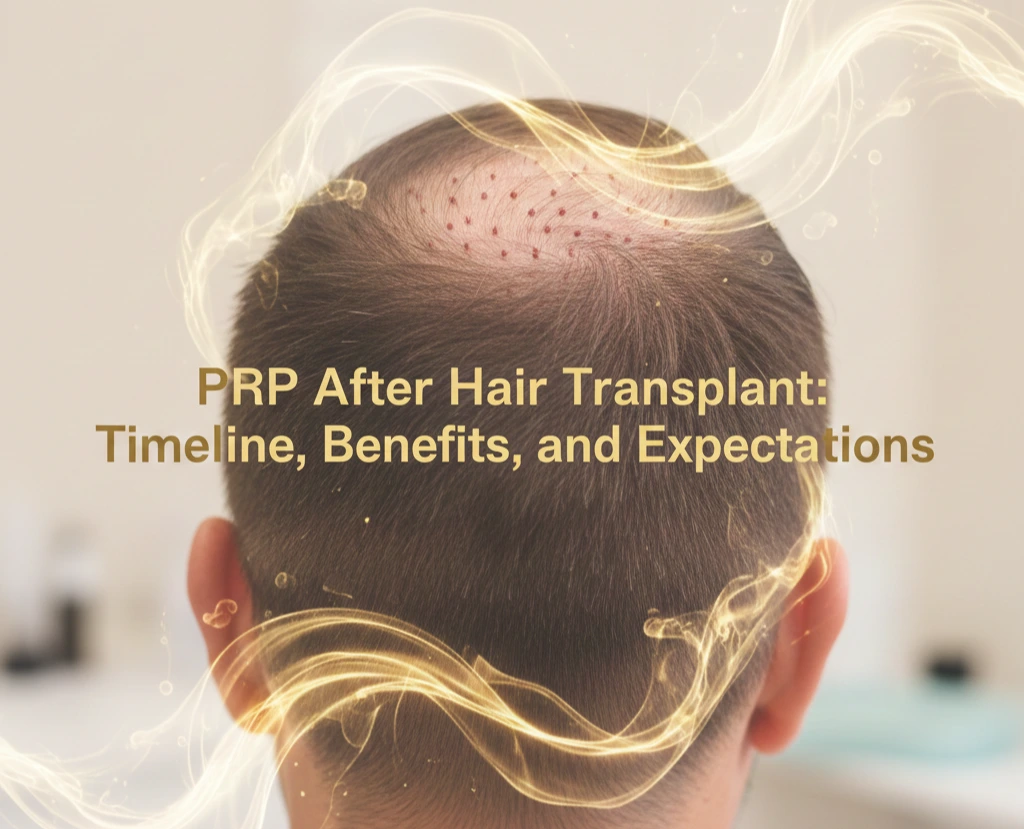
PRP after a hair transplant uses your own concentrated platelets to boost healing, graft integration, and follicle survival by promoting angiogenesis and controlled inflammation. In the first 24–48 hours you may have mild tenderness and need gentle care. Weeks 2–4 bring shedding and early follicle activity as grafts settle, with continued gentle cleansing. By months 2–6 you should see resumed growth and better density, with risks being rare when technique is proper. If you keep going, you’ll learn more.
What PRP Is and Why It Helps After Transplant
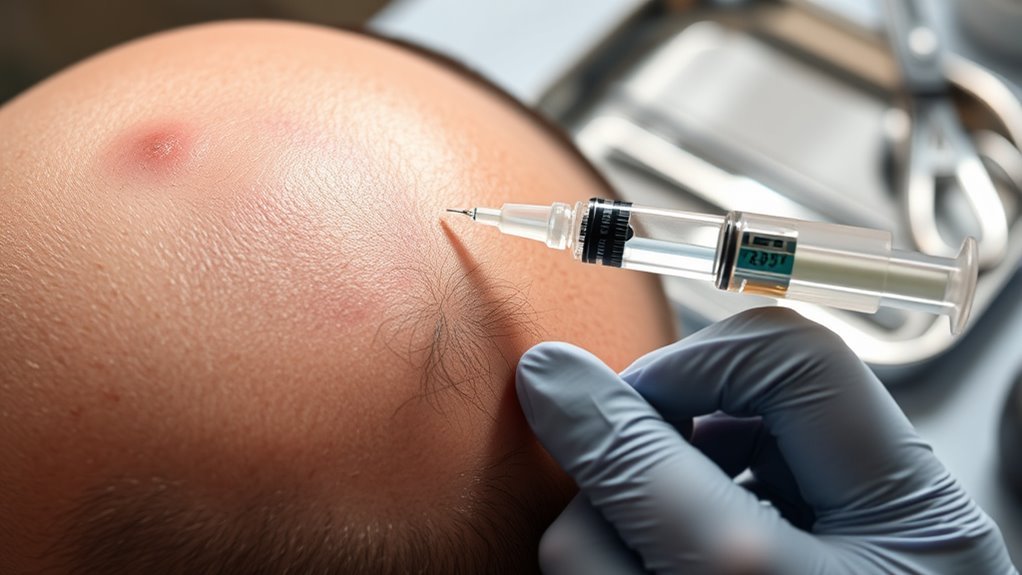
Platelet-rich plasma (PRP) is a concentration of your own blood platelets in a small volume of plasma, rich in growth factors that modulate healing. You’re considering PRP after a transplant because these growth factors can support follicle survival, stimulate angiogenesis, and improve tissue repair at the recipient site. The mechanism is evidence-informed: platelets release cytokines and bioactive proteins that influence inflammation and healing phases, potentially enhancing graft take. Yet, PRP contraindications exist and must be reviewed with your clinician, including clotting disorders, active infections, and certain medications. Cost considerations matter for plan selection and frequency of sessions. When discussed openly, PRP can fit into a comprehensive, personalized recovery strategy aimed at your long-term hair restoration goals.
The First 72 Hours After PRP-Enhanced Transplant
How do you navigate the essential first 72 hours after a PRP-enhanced hair transplant? In this window, your-prp timeline emphasizes controlled activity, gentle care, and early observation for signs of infection or irritation. Expect mild swelling, tenderness, and a routine use of prescribed analgesics and antiseptic washes as directed. You’ll avoid strenuous exercise, direct sun, and tipping the head for several days to reduce edema risk. Follow your clinician’s guidance on shampooing frequency and product choice to support scalp healing without dislodging grafts. Track any unusual redness, pus, or sudden pain and report promptly. This period sets foundation for graft integration and overall satisfaction, reinforcing a sense of shared, evidence-based care within a collaborative treatment plan. 72 hour care aligns with best-practice safety.
Weeks 2–4: Healing, Shedding, and Early Follicle Activity
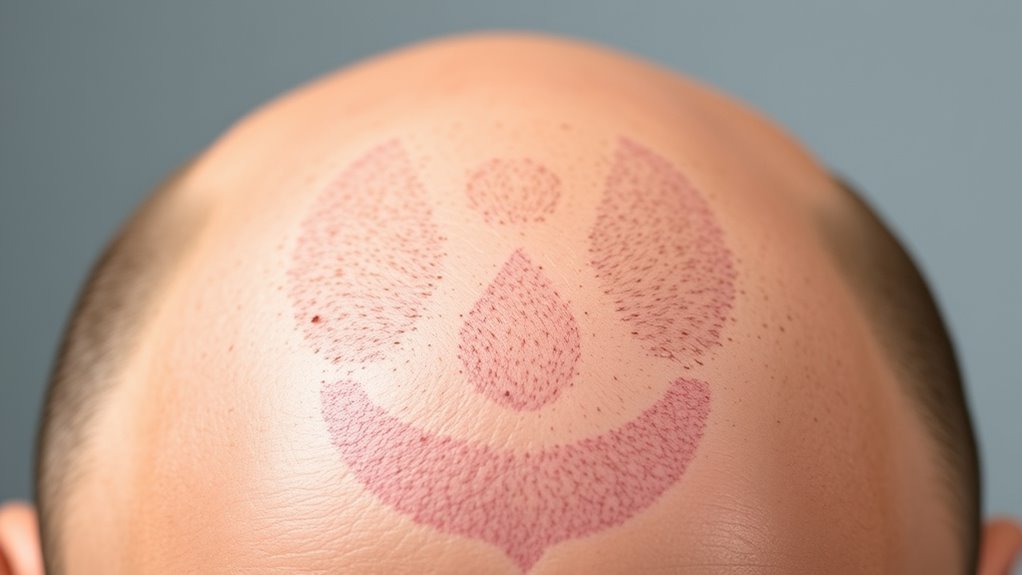
During weeks 2–4, you’ll observe ongoing healing milestones and restored scalp tolerance as incisions seal and crusting subsides. You may notice shedding of transplanted hairs as part of the normal telogen effluvium phase, followed by signs of new follicle activity and miniaturization improvement. Evidence-based monitoring focuses on durability of the grafts, scalp comfort, and early indicators of follicle engagement to guide expectations and care.
Healing Milestones Weeks 2–4
Weeks 2–4 after PRP-assisted hair transplantation mark notable progress in healing and early follicle activity, with most patients observing reduced crusting and continued scalp sensitivity as treated sites begin to settle. During this window, you may notice diminished tenderness, stable graft adherence, and gradual normalization of color and texture around the donor and recipient zones. Minor crusts commonly persist but typically peel within days, not weeks, as micro-inflammation declines. You should continue gentle cleansing and avoid aggressive rubbing. Evidence indicates enhanced follicle viability aligns with consistent postoperative care, though individual timelines vary. Discussions about creatine timing and insurance coverage may arise in broader recovery planning; these factors do not replace medical guidance but can influence ancillary support decisions as you progress toward visible improvements.
Shedding Phase Overview
A key feature of Weeks 2–4 after PRP-assisted hair transplantation is a shedding phase that accompanies ongoing healing and early follicle activity. In this period, you may notice temporary hair shedding as weakened hairs detach, making room for new growth. This is a normal, expected part of the process and can vary by individual and graft zone. Awareness of shedding patterns helps you stay confident and engage with care. By understanding zone specific concerns, you can monitor for localized changes and seek guidance if anything unusual appears. Close adherence to post-op instructions supports stability during this phase and improves outcomes.
- Track shedding patterns by week and by zone to identify normal versus concerning changes.
- Maintain consistent scalp care and avoid aggressive manipulation of treated areas.
- Report persistent or atypical shedding to your clinician for targeted assessment.
Early Follicle Activity Signals
Early follicle activity begins to emerge as healing progresses and shedding occurs. You’ll notice subtle changes as grafts settle, with early pigmentation potential marking new growth and realism. During weeks 2–4, your scalp requires patience; visible signs align with graft resilience and microvascular recovery. Evidence suggests temporary shedding reflects natural cycle rather than failure, while new, fine hairs start to populate-in. Maintain gentle care, avoid irritation, and follow clinician guidance to support uniform follicle recovery. monitor for uniform pigment, consistent density, and smooth texture as indicators of progress. If concerns arise, discuss with your practitioner promptly to align expectations with outcomes.
| Week 2–4 | Healing Milestones | Signals |
|---|---|---|
| Graft settling | Early pigmentation may appear | Confirm graft resilience |
| Hair emergence | Scalp sensitivity diminishes | Observe steady growth |
Months 2–6: Growth Signals and Graft Survival
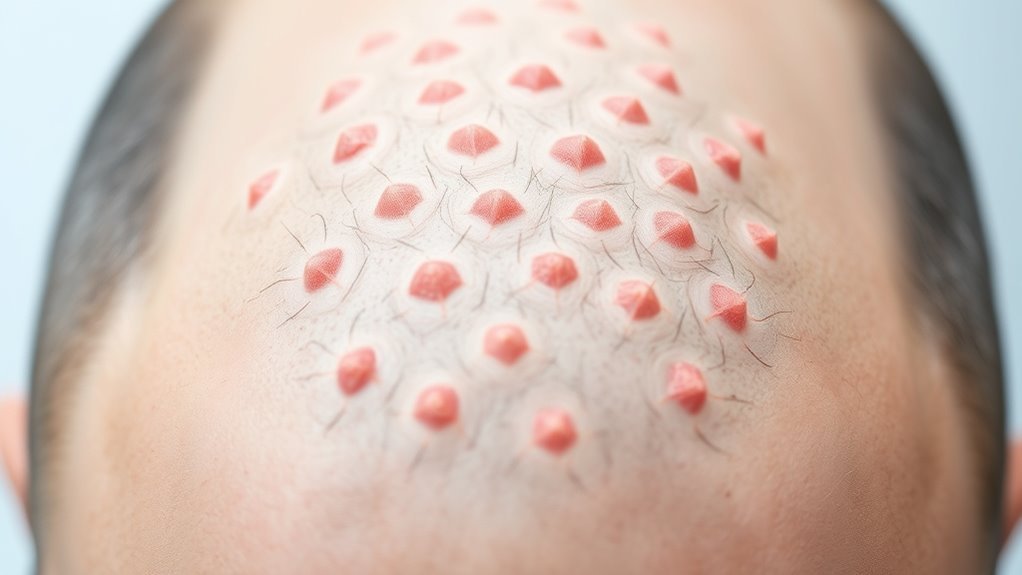
Between months 2 and 6 after a PRP-enhanced hair transplant, hair follicles shift from shedding to active growth as grafts stabilize and establish a blood supply. You’ll notice progressive follicle density as signals from PRP support angiogenesis and follicular survival, while grafts adapt to their new environment using graft-safe techniques and careful delivery. Evidence suggests enhanced survivability when PRP is applied with precise timing and proper technique, contributing to steady, natural-looking growth without interruption.
Between months 2 and 6, PRP-fueled grafts resume growth as they integrate and vascularize, yielding steady, natural-looking enhancement.
- PRP delivery is optimized alongside micrograft handling to protect existing follicles and support neovascularization.
- Growth signals align with stable graft integration, reducing premature shedding and improving long-term yield.
- Clinician technique emphasizes protection of transplanted units and consistent environmental support for continued development.
Is PRP Right for You? Who Benefits and How Often
Is PRP right for you? If you’ve had a hair transplant, you may benefit from PRP depending on your baseline hair loss pattern, scalp health, and goals. Evidence suggests PRP can enhance graft survival and stimulate broader thinning areas when used as part of a controlled protocol. You’ll likely be considered a candidate if you’re within early to moderate post-transplant shedding stages and have adequate donor density. The question is not just is prp right, but how often you’ll receive treatments: many plans propose monthly sessions initially, then quarterly or biannual maintenance. Who benefits most tends to be individuals seeking incremental improvement, minimal downtime, and sustained follicular stimulation. Discuss expectations with your clinician to tailor timing and frequency to your unique response.
Practical Prep and Aftercare for PRP-Tied Transplants
You’ll start with clear Preparation Steps to optimize PRP efficacy and minimize irritation, including medication review and avoidance of NSAIDs as advised. After the procedure, follow Post-Procedure Care Tips that address scalp cleanliness, swelling management, and activity restrictions, with any pain or infection signs reported promptly. A concise Schedule and Follow-Up plan will guide timing for first checks, PRP sessions if needed, and adjustments based on healing progress.
Preparation Steps Now
Preparation for PRP-tied transplants begins with clear pre-procedure steps and strict adherence to post‑tcare guidelines; this approach minimizes risk and supports optimal graft survival.
You’ll follow practical prep to reduce inflammation and tailor expectations, including documenting your current medications and insurance considerations to streamline coverage and approvals.
1) Pre procedure checks: confirm consent, review medical history, and align timing with PRP sessions for consistency.
2) Medication and risk management: avoid NSAIDs, supplements, and smoking as advised; plan analgesia if needed.
3) Post-procedure framework: arrange transportation, rest periods, and follow-up appointments to monitor graft health and response.
Post-Procedure Care Tips
So, what should you expect in the immediate post-procedure period after PRP-tied transplants? In the first 24 to 48 hours, you may notice mild scalp tenderness, redness, or swelling, which typically resolve quickly. Follow your clinician’s guidance on gentle washing and avoid aggressive rubbing. Maintain hormonal balance with consistent sleep, stress management, and a balanced routine. Nutrition timing matters: prioritize protein-rich meals and micronutrients essential for healing, while staying hydrated. Mild activity is usually acceptable, but you should avoid strenuous athletic activity for 3 to 5 days or as advised. Protect your scalp from excess sun exposure and avoid direct sun for at least 1 week. Contact your clinic if you experience severe pain or unusual discharge.
Schedule and Follow-Up
How should you approach scheduling and follow-up after PRP-tied hair transplants to ensure optimal healing and outcomes? You’ll coordinate visits with your surgeon, aligning PRP sessions, scalp assessments, and retention checks. Adhere to documented timelines, encourage early reporting of unusual symptoms, and track progress with photos. Clear communication supports consistent care and reduces anxiety, fostering belonging within your care team.
1) Establish a preliminary schedule—initial follow-up within a week, then biweekly PRP sessions as recommended, with longer intervals for stability.
2) Prepare notes on changes, side effects, and questions (idea one) to share at each visit, ensuring your concerns are addressed.
3) Confirm aftercare steps, activity restrictions, and medication adjustments (idea two) to sustain results and minimize complications.
Realistic Outcomes, Risks, and Timing Judgments
Realistic outcomes after PRP-enhanced hair transplantation vary by individual, but most patients can expect gradual improvements over several months with a plateau typically reached by around 9 to 12 months. You should view results as incremental and cumulative, not instantaneous. While PRP considerations may influence early response, final density depends on graft quality, donor supply, and scalp health. Risks are uncommon but can include temporary shedding, infection, or irritated scalp; severe complications are rare with proper technique and informed consent. Timing judgments should align with realistic expectations about growth cycles and maintenance needs. Discuss transplant timing with your clinician to optimize scheduling, manage expectations, and ensure follow-up plans support continued progress. This approach fosters informed belonging within a care-focused, evidence-based shared decision process.
Frequently Asked Questions
How Long Does PRP Effect Last After Transplant?
PRP effects after a transplant typically persist for several months, often around 3 to 6 months, though results vary by individual. To maintain benefits, you may need periodic sessions as advised. Be aware that thinning risk remains possible if sessions aren’t spaced appropriately or if ongoing hair loss continues. If you notice diminished improvements, consult your clinician to adjust timing or dose, ensuring the therapy aligns with your goals and sense of belonging.
Can PRP Cause New Hair Thinning Elsewhere?
Yes, PRP can be associated with thinning risk elsewhere, but it’s uncommon. You’re not guaranteed new thinning, and most effects are localized to treated areas. Consider PRP safety profiles, monitor scalp changes, and consult your clinician if you notice diffuse shedding. The evidence supports safety with proper technique, yet individual responses vary. You’ll want ongoing assessment to reinforce confidence, so stay involved with follow-ups as you weigh potential benefits against risks.
Is PRP Effective for All Hair Loss Types?
PRP is not universally effective for all hair loss types. Its benefits vary by condition and individual factors. For androgenetic alopecia, some improvements are possible, while other types—like scarring alopecias—often respond poorly. You’ll experience the PRP mechanism as growth-factor–driven signals that may support follicular health, but expect modest gains if your hair loss type is less responsive. Customized evaluation helps you decide if PRP harmonizes with your goals and values of belonging.
Do I Need PRP Before or After Fue/ FUT?
Seemingly paradoxical, you don’t need PRP strictly before or after FUE/FUT; you schedule PRP timing around your procedure. You’re eligible if healing is acceptable, and eligibility criteria vary. Typically, consider PRP timing between sessions or as a postoperative aid, with treatment frequency per clinician guidance. Weigh cost considerations, insurance coverage, and platelet preparation quality. Side effects are mild; observe potential interactions with hair biology. FUE vs FUT sequence—discuss individualized plan to feel you belong.
What Are Costs and Insurance Coverage for PRP?
PRP costs vary by clinic and region, typically ranging from a few hundred to around $1,500 per session, and multiple sessions may be recommended. Insurance coverage is uncommon for PRP specifically, though some plans may cover related dermatology procedures; you’ll need to verify with your insurer. You should compare total program costs, ask about bundled pricing, and confirm whether your policy treats PRP as a covered treatment or out-of-pocket expense.
Disclaimer: This content is for educational purposes only. Individual results may vary. Always consult a qualified practitioner before starting treatment.