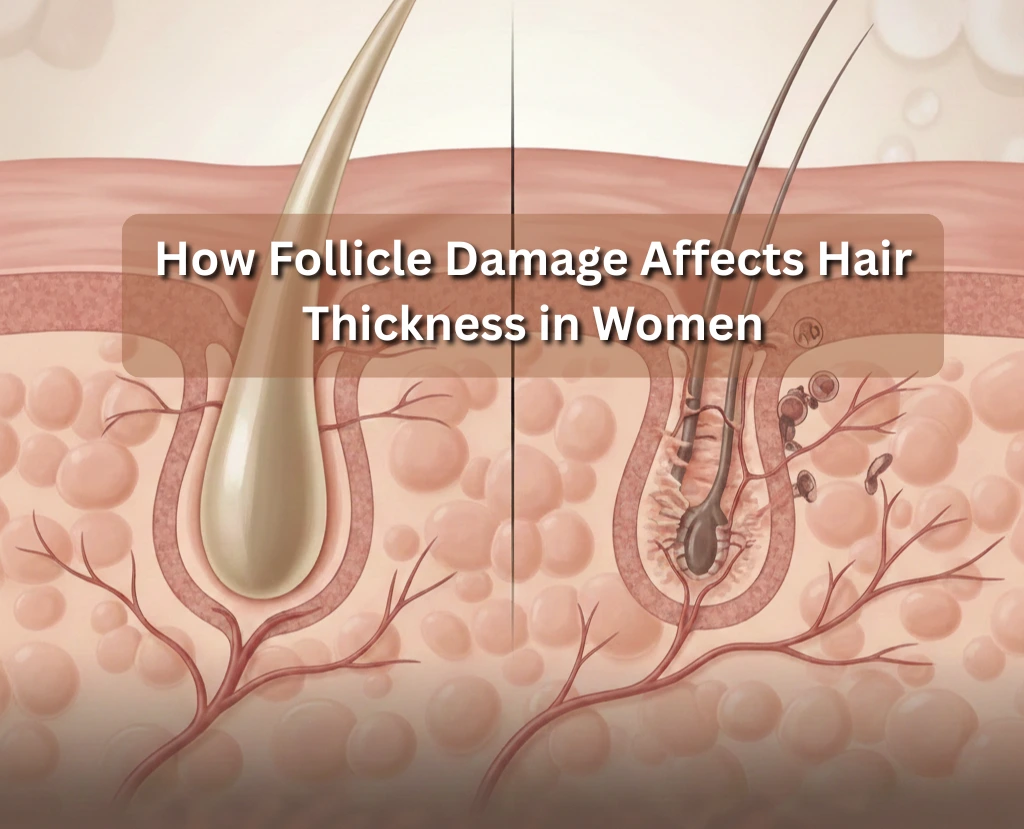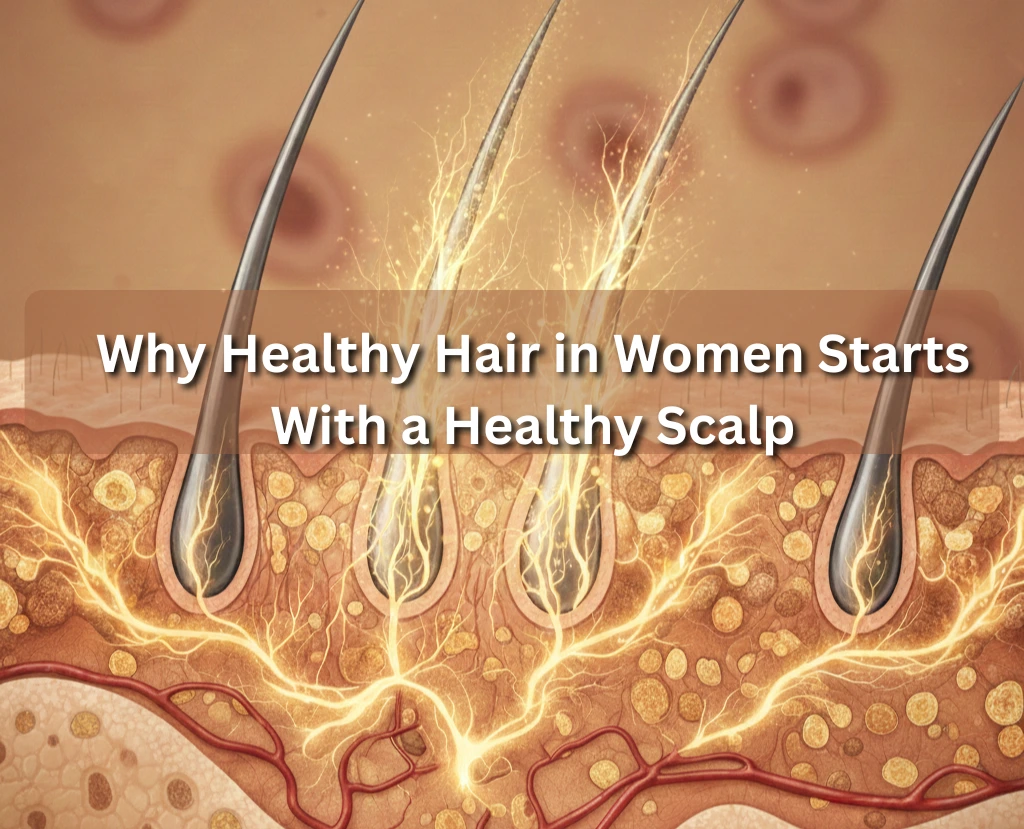

PRP facial rejuvenation uses your own blood to concentrate platelets rich in growth factors that stimulate fibroblasts and extracellular matrix, promoting gradual neocollagenesis for improved texture, elasticity, and glow with minimal downtime. It’s best for mild to moderate photodamage and fine lines, with targets like texture and subtle volume loss. You’ll undergo a blood draw, sterile processing, and injections or microneedling, with numbing for comfort. Outcomes vary by technique; continued guidance will reveal how to optimize results.
What PRP Facial Treatment Is and Why People Choose It

PRP facial treatment uses a patient’s own blood to concentrate platelets, which release growth factors intended to stimulate collagen and improve skin texture, tone, and elasticity. You’re selecting a procedure with biologic rationale: growth factors signal fibroblasts, promoting extracellular matrix production and neocollagenesis over weeks to months. Mechanistically, this treatment targets photodamage and fine lines by amplifying natural repair pathways, rather than introducing synthetic agents. You’ll encounter a standardized process: blood draw, centrifugation, and injection or microneedling delivery, performed under sterile conditions. Evidence supports modest, clinically meaningful improvements in elasticity and perceived brightness for many individuals, though outcomes vary by baseline skin quality and technique. Considerations include cost, downtime, and patient expectations; unrelated topic and missing context may arise in discussions outside this topic.
Is PRP Facial Rejuvenation Right for You? Indications, Contraindications, and Alternatives
Is PRP facial rejuvenation suitable for you? In this discussion, you will evaluate indications, contraindications, and alternatives with a clear, evidence-based lens. PRP is generally considered for superficial to moderate aging signs, volume loss, and texture irregularities, particularly when you’re seeking a natural approach and minimal downtime. Suitable candidates include adults with good overall health, realistic goals, and no active skin infections. Contraindications include active anticoagulation, coagulation disorders, pregnancy, active skin disease at treatment sites, and known platelet abnormalities. Alternatives span hyaluronic acid fillers, laser therapies, microneedling, and topical regimens, allowing a personalized plan. When forming your decision, consider discussion ideas with your clinician and ensure unrelated topics don’t cloud judgment, keeping focus on outcomes, safety, and suitability.
What to Expect During a PRP Facial Session
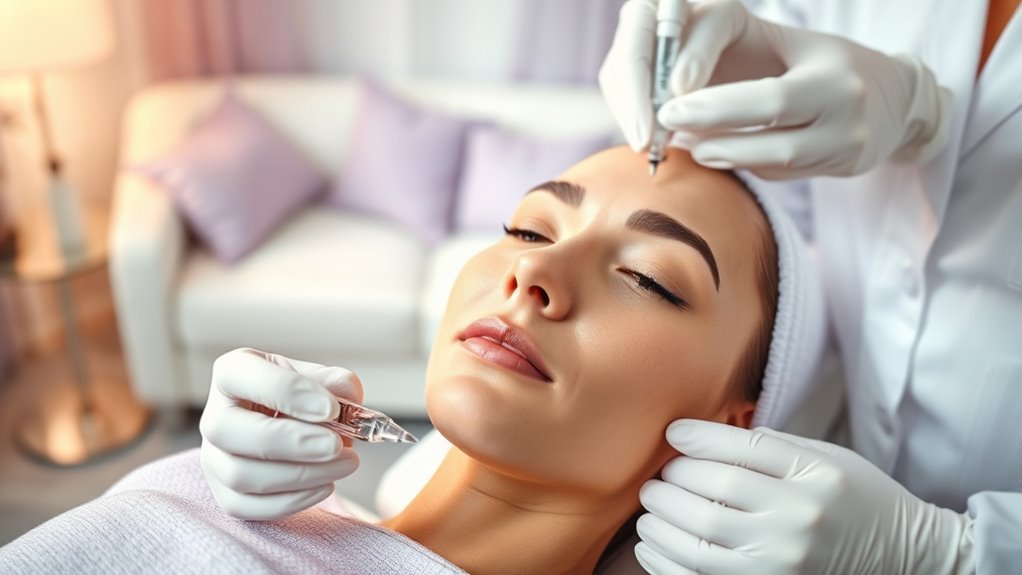
Before your PRP facial, you’ll follow preparation steps to optimize results and minimize discomfort. During the session, numbing options may be used for comfort, and the technicians will perform the PRP application in a controlled, evidence-based manner. Afterward, you’ll receive clear post-treatment care tips to manage mild effects and support healing.
Session Preparation Steps
What should you expect during a PRP facial session? You’ll begin with a brief intake to confirm goals, medical history, and current medications, coordinating with evidence-based practice. The clinician will explain the treatment plan, including potential risks and realistic treatment expectations, and confirm consent. Prior to the procedure, you should maintain punctuality and follow pre-session instructions, such as avoiding certain medications or skincare products as advised by your provider. On the day, you’ll receive blood draw, sample processing, and PRP preparation in a controlled, sterile setting, with standardized aseptic technique. The session emphasizes safety, precision, and measurable outcomes, ensuring you understand each step. Clear communication supports belonging and confidence in the process, reinforcing your session preparation and treatment expectations.
Numbing And Comfort
Numbing and comfort are key to a tolerable PRP facial, and most sessions begin with local anesthesia or topical numbing agents to minimize discomfort during blood draw and PRP handling. You’ll typically choose from anesthesia options based on sensitivity, duration, and provider preference. Local injections may be used for longer procedures, delivering targeted numbing to the treatment zones; topical anesthetics apply across the skin surface for gradual relief without injections. Expect a brief waiting period to allow numbness to take effect, followed by careful blood collection and PRP processing. You should experience minimal pain during injection and placement, with residual pressure or mild dull ache possible afterward. If discomfort persists, alert your clinician; adjustments are available to optimize numbing Comfort.
Post-Treatment Care Tips
Post-treatment care after a PRP facial is essential to maximize results and minimize adverse effects; expect mild redness, tenderness, and temporary swelling that typically resolves within 24 to 72 hours, with most patients resuming normal activities shortly after. During this period, avoid aggressive exfoliation and maintain gentle cleansing, followed by a non-irritating moisturizer and a broad-spectrum sunscreen. You should minimize sun exposure and apply protective measures to prevent pigment changes, especially if you have fair skin. Hydration supports healing, so drink water and limit alcohol. Monitor for signs of infection or prolonged redness, and contact your clinician if fever or increasing pain occurs. Skin cancer risk factors should guide sun protection, and you’ll tailor activity and skincare to your recovery trajectory.
Safety, Risks, and Myths About PRP Facial Rejuvenation
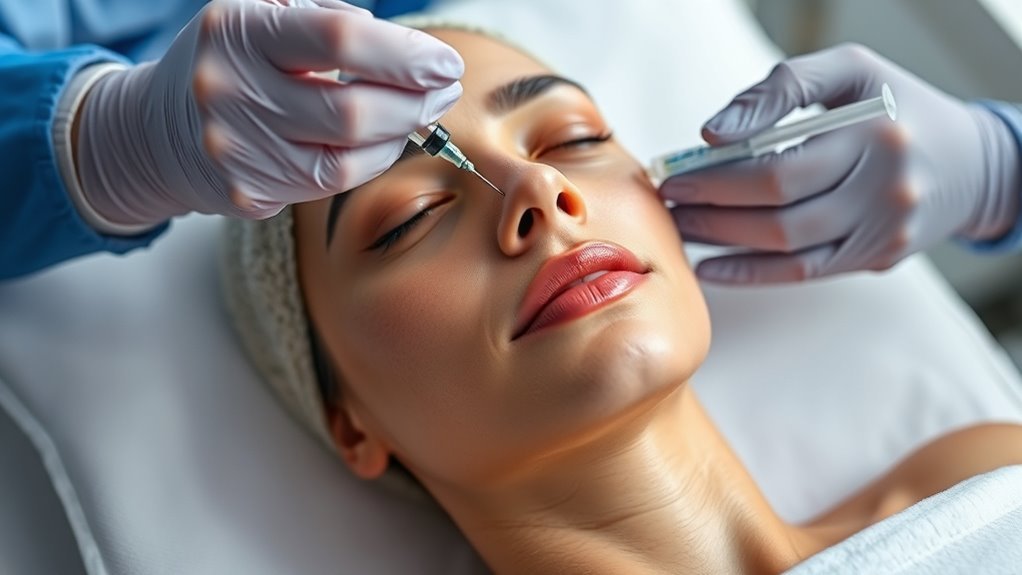
You’ll review safety considerations, including practitioner qualifications, material sourcing, and aseptic techniques, to understand how they influence outcome risk. We’ll summarize common risks—pain, swelling, infection, and rare vascular or inflammatory events—so you can weigh likelihood and management. Finally, we’ll debunk prevalent myths with evidence-based clarifications to prevent unnecessary fear or false promises.
Safety Considerations
PRP facial rejuvenation is generally well tolerated, but understanding safety considerations helps minimize risks and manage expectations. You should know how the procedure is performed, potential adverse effects, and when to seek care. Below are essential points to consider in practice.
1) Sterile technique and trained providers reduce infection risk and support faster recovery.
2) Temporary bruising, swelling, or soreness may occur; these usually resolve within days.
3) Realistic expectations help you assess outcomes without overinterpreting minor changes.
4) Preexisting conditions, medications, or lifestyle factors (including stress from campaigns or disaster recovery efforts) may influence healing.
Discussions with your clinician should address evidence, consent, and appropriate aftercare to support safe, effective results in your care pathway. Political campaigning topics should not impact clinical decisions.
Common Risks Explained
You deserve clear, evidence-based guidance on risks, not hype. Common risks include transient soreness, edema, bruising, and rare infection when sterile technique isn’t followed. Allergic or autoimmune reactions are uncommon but possible; ensure PRP is prepared under validated protocols. Persistent swelling, necrosis, or pigment changes should prompt professional evaluation. Myths persist about guaranteed outcomes or universal safety; real results vary with technique, skin type, and healing dynamics. Insurance coverage debates and cosmetic ethics shape access and decision-making; discuss options with your clinician. If you notice unusual pain, fever, or lasting redness, seek care promptly. Use caution with DIY kits or non-clinical settings.
| Risk/Consideration | Practical note |
|---|---|
| Soreness, edema | Temporary, self-resolving |
| Bruising | Gentle pressure, cold compress |
| Infection risk | Strict asepsis, licensed facility |
Myths Debunked Clearly
Is PRP facial rejuvenation risk-free? No. You deserve reliable, evidence-based guidance, not hype. Here, we debunk myths with clear, skeptical beliefs in mind, offering a grounded view of safety and outcomes.
- myth debunked: PRP uses your own blood, minimizing allergic reactions and immune issues.
- Myths about instant perfection are dispelled by data that show gradual, modest improvement over weeks.
- Safety profiles vary by technique and clinician; trained practitioners optimize sterile protocols and pain control.
- Risks exist but are uncommon and manageable, such as transient swelling or bruising, not permanent damage.
Your informed choice rests on accurate expectations and trusted sources, fostering belonging within a community that values precision over speculation.
Who Should Consider PRP Facial Rejuvenation
Who should consider PRP facial rejuvenation? If you’re seeking natural skin improvement with a minimally invasive approach, you’re a potential candidate. PRP is well-suited for adults showing signs of aging such as fine lines, reduced elasticity, or uneven texture, especially when you prefer a treatment that utilizes your body’s own growth factors. It may benefit those with mild to moderate photodamage or post-acne scarring, provided expectations harmonize with gradual, cumulative results. Individuals without active bleeding disorders or skin infections typically tolerate the procedure well. Nursing guidance, informed consent, and realistic goals are crucial. Tone and style in this context emphasize scientific transparency, individualized assessment, and collaboration to synchronize treatment with your aesthetic priorities and safety.
Timing and Frequency for PRP: Realistic Results
PRP results accumulate over multiple sessions, and comprehension timing is key to setting realistic expectations. You’ll likely notice incremental improvements after each treatment, with the strongest changes emerging after a series rather than a single session. Realistic planning helps you integrate the process with daily life and well-being, while avoiding undue expectations tied to sensational claims or external factors, including illicit substances or political implications that have no bearing on clinical outcomes.
- Expect gradual gains across 3–4 sessions scheduled 4–6 weeks apart.
- Maintain baseline skin care and sun protection to support sustained results.
- Reevaluate goals after the mid-point session to adjust frequency if needed.
- Discuss maintenance options with your clinician to tailor ongoing intervals.
Pre- and Post-Treatment Tips to Maximize PRP Results
To maximize PRP results, follow a structured pre- and post-treatment routine that supports tissue healing and collagen remodeling. You should avoid NSAIDs for a week before treatment if advised by your clinician, and discontinue alcohol 48 hours prior to procedure. Post-treatment, apply gentle pressure-free cleansing and sunscreen daily to protect newly formed collagen. Schedule follow-up sessions as recommended to sustain gains and monitor for adverse reactions. Evidence supports minimizing vigorous exercise for 24 to 48 hours after PRP, and staying hydrated to optimize tissue repair. Consider discussing vitamin injections only if clinically indicated by your provider; avoid unverified regimens. Be mindful of ginseng myths, which can alter blood flow perception, and prioritize evidence-based care. Maintain realistic expectations and engage in shared decision-making with your clinician.
PRP and Other Natural Skincare Approaches: Synergies and Limits
Are PRP therapies best paired with other natural skincare approaches, or do synergies have practical limits? You explore how PRP mechanisms interact with complementary regimens, noting that evidence supports selective pairing with compatible natural alternatives while avoiding overstimulation. In practice, combining modalities may enhance collagen remodeling and dermal hydration, yet limits arise from overlapping active ingredients and individualized responses. You’ll benefit from clear expectations, safety screening, and standardized protocols to optimize outcomes. PRP mechanisms are most effective when integrated with gentle, evidence-based skincare that respects skin barrier integrity and inflammation processes. Natural alternatives should supplement, not replace, established protocols, ensuring cumulative benefits without compromising healing.
- Set realistic goals and monitor outcomes
- Prioritize barrier-supportive products
- Coordinate timing with treatments
- Assess cumulative ingredient loads for safety
Frequently Asked Questions
How Soon Will I See Visible Results After PRP Facial?
Visible results typically appear gradually over 2–8 weeks after a PRP facial, with continued improvement over several months as collagen boosts unfold. You may notice smoother skin and improved texture first, then subtle lifting. Timeline expectations vary by skin type, treatment area, and sessions performed. To optimize outcomes, follow post-care guidance and maintain sun protection. If you don’t see progress within 8–12 weeks, discuss adjustments with your clinician.
Can PRP Facial Be Combined With Other Skincare Procedures?
Yes—you can combine PRP facial with other procedures, but planning matters. Comparable procedures vary by mechanism and downtime, so treatment sequencing is key to optimizing results and safety. For you, a cohesive plan ensures PRP with complementary therapies in a phased schedule, avoiding overlap that could increase downtime or risks. Discuss goals and skin depth with your clinician to ensure compatible procedures, appropriate intervals, and evidence-based expectations. This personalized sequencing fosters effective, integrated care and a sense of belonging.
Does PRP Facial Cause Long-Term Skin Thinning or Damage?
PRP facial does not inherently cause long-term skin thinning or damage. In most cases, risks are mild and temporary, such as redness, swelling, or bruising at the injection sites. Potential risks exist, but long term effects are not routinely observed with proper technique and patient selection. You should discuss your medical history and goals with a clinician to minimize concerns, ensuring informed, evidence-based decisions about safety and expected outcomes for your skin.
How Many Sessions Are Typically Needed for Optimal Results?
Typically, you’ll see optimal results after 3 to 4 sessions, spaced about 4–6 weeks apart. You may notice gradual improvements in texture and tone as collagen increases. Two word discussion ideas: “treatment planning,” and “long-term safety.” Patient safety concerns include infection risk, anticoagulant interactions, and reaction monitoring; ensure proper technique and sterile equipment. If you have thinning, discuss realistic goals with your clinician, as response varies and maintenance may be needed for lasting results.
Will PRP Facial Help With Acne Scars or Only Aging Signs?
You’ll find PRP facial can address both concerns, but with nuance: PRP acne scars often improve texture and pigment over time, while PRP aging signs target fine lines and skin tone. Expect variable results, and combine with microneedling or lasers if scars are deep. Your treatment plan may include PRP acne scars as well as PRP aging signs, customized to your skin type, nurturing belonging through evidence-based care.
Disclaimer: This content is for educational purposes only. Individual results may vary. Always consult a qualified practitioner before starting treatment.