

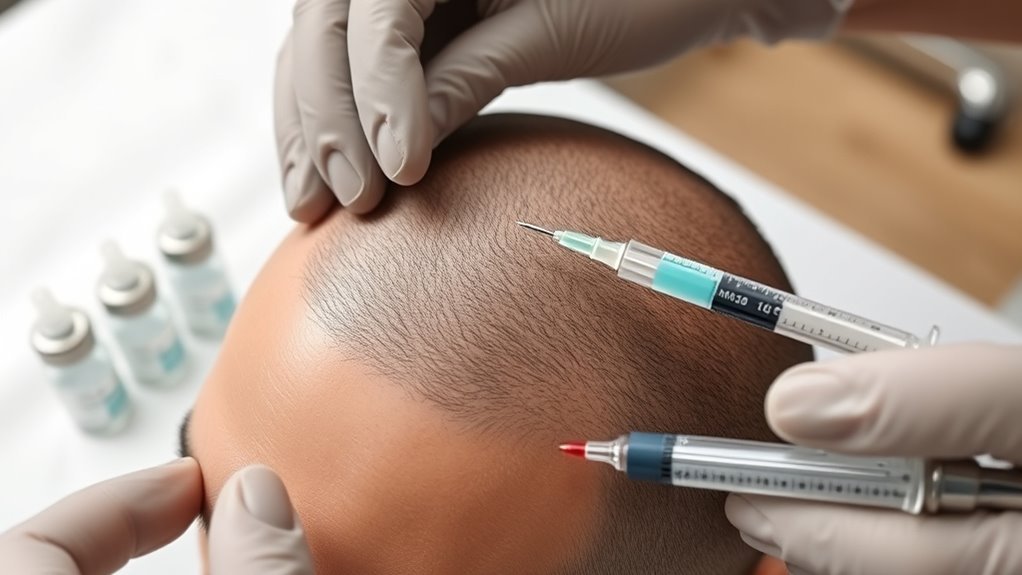
PRP provides concentrated growth factors to the scalp, while microneedling creates microchannels that enhance delivery and signaling; mesotherapy adds targeted nutrients to support follicle health. Together, they produce a triad synergy that can slow miniaturization and promote regrowth, density, and improved texture in both men and women. Suitable for mild to moderate androgenetic alopecia, with gradual, measurable improvements over months. Expect gradual protocol-driven sessions, standardized measurements, and careful post-care; more details await as you explore the full approach.
How PRP, Microneedling, and Mesotherapy Target Hair Loss
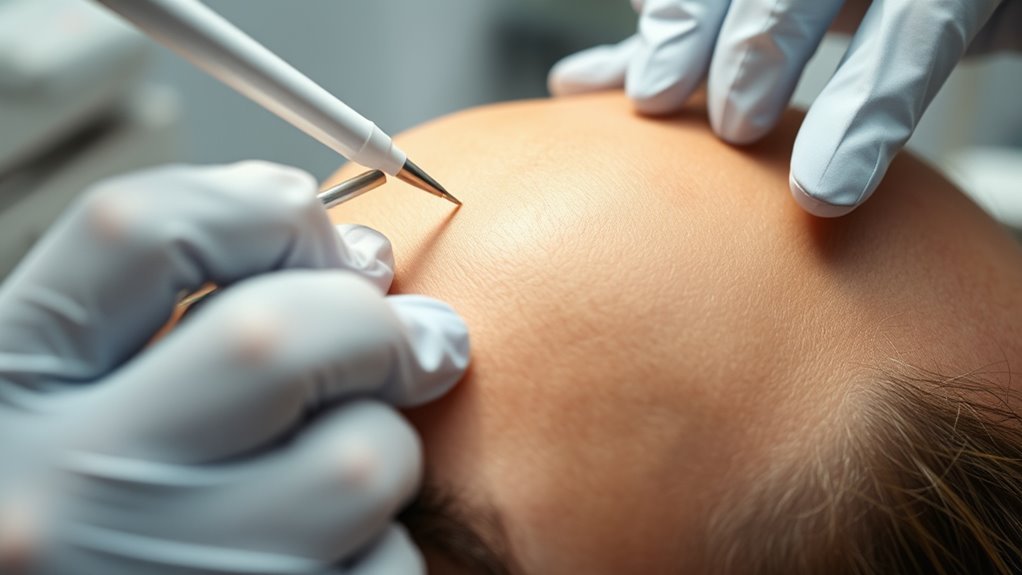
PRP, microneedling, and mesotherapy work together to address hair loss by delivering growth-promoting factors directly to the scalp and enhancing the skin’s microenvironment. You benefit from a convergent mechanism: PRP supplies growth factors, microneedling creates microchannels that improve transdermal delivery and cytokine signaling, and mesotherapy optimizes local nutrition and vascularity. The result is a localized, evidence-informed modulation of the hair cycle, supporting anagen maintenance and follicular resilience. When comparing PRP vs. microneedling, you’ll note complementary actions rather than a single-best solution; both can act synergistically. Awareness of mesotherapy myths and reality helps you assess treatment plausibility, cost, and risk, ensuring informed decisions within a realistic, evidence-based plan tailored to your scalp physiology and goals.
How the Three Techniques Work Together
Three modalities—PRP, microneedling, and mesotherapy—act in concert to optimize the scalp milieu: PRP delivers concentrated growth factors that stimulate follicular activity, microneedling creates microchannels that enhance transdermal delivery and modulate cytokine signaling, and mesotherapy augments local nutrition and vascular supply to sustain follicle health. This triad synergistically enhances follicle responsiveness, durability, and anagen duration, supporting hair regrowth outcomes across sexes.
- PRP-primed signaling then amplified by needling-induced permeability shifts
- Targeted nutrient delivery via mesotherapy aligning with growth factor cascades
- Integrated tissue remodeling that sustains follicle vitality and mitigates miniaturization
Together, these mechanisms address Hair Loss by refining the scalp environment for robust follicular regeneration and improved density. How PRP, Microneedling, Mesotherapy, Hair Loss.
Who Can Benefit From PRP With Microneedling and Mesotherapy
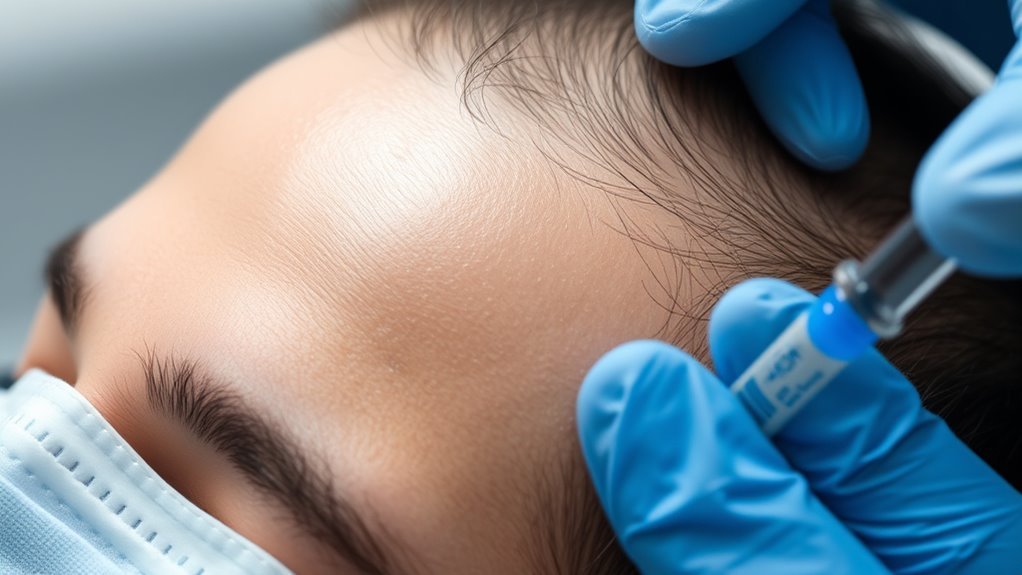
Who benefits from PRP with microneedling and mesotherapy? You’re a good candidate if you’re experiencing mild to moderate androgenetic alopecia, diffuse thinning, or post-cessation shedding, and you seek non-surgical, biologically active stimulation. Evidence supports enhanced follicular density and anagen-phase prolongation when PRP is combined with controlled needling and localized mesotherapy. Younger patients with recent onset and stable medical status typically respond best, while those with extensive scarring or active infection may see limited gains. Individuals seeking adjunctive therapy alongside proven regimens may experience additive outcomes, though results vary. As you compare options, beware of unrelated topic distractions or off topic comparison claims that distract from mechanism-driven expectations and individualized treatment planning. Your clinician should tailor protocols to your hair cycle, scalp health, and goals.
What to Expect in a Typical Treatment Plan
Your treatment plan typically unfolds over several sessions with defined timelines, allowing you to monitor progress and adjust parameters as needed. You can expect milestones tied to follicular response and hair shaft caliber, with attrition and regrowth patterns assessed at set intervals. By aligning microneedling and PRP sessions to a structured timeline, this plan aims to optimize outcomes while conveying clear expectations about the trajectory of improvement.
Treatment Timeline Highlights
In a typical PRP with microneedling or mesotherapy regimen, you’ll notice a gradual sequence of steps and milestones that align with standardized treatment intervals and measurable hair regrowth metrics. This timeline emphasizes consistent sessions, meticulous technique, and objective density assessments to track progress over time. By understanding the cadence, you’ll navigate expectations with clarity and confidence, while guarding against PRP misconceptions and microneedling myths that distort outcomes.
- Sessions occur at defined intervals (e.g., monthly or quarterly) with standardized platelet concentration and depth parameters, ensuring reproducibility.
- Objective measurements (scalp photography, follicular counts, and density metrics) anchor progress to specific milestones rather than subjective impressions.
- Compliance and maintenance plans are emphasized, translating initial gains into durable results through a sustained regimen and periodic reassessment.
Expected Outcome Milestones
Are you wondering what a typical trajectory looks like in PRP with microneedling or mesotherapy for hair loss? In your plan, you’ll notice early indicators—improved scalp fullness and patient-reported satisfaction within 4–8 weeks after initial sessions. By 3–4 months, clinically meaningful density gains emerge, with follicular unit counts rising modestly and shedding rates decreasing. Maintenance visits at 6–12 months sustain benefits, though response varies by baseline pathology and adherence. Expected milestones emphasize gradual structure remodeling, neovascularization, and improved hair shaft caliber.
| Phase | Expected Change | Timeframe |
|---|---|---|
| Phase 1 | Early microinflammatory response, subclinical density uptick | 0–2 months |
| Phase 2 | Follicular remodeling, improved caliber | 3–4 months |
| Phase 3 | Visible density gains, patient satisfaction | 6–12 months |
Note: unrelated topic, off topic focus.
Benefits for Men and Women: Regrowth, Density, and Texture
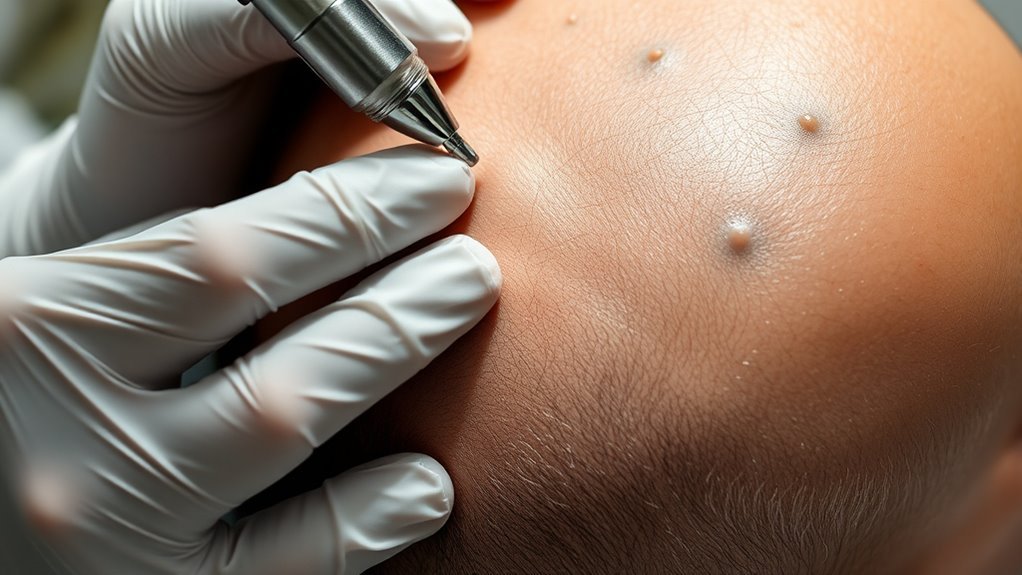
PRP-based hair therapies offer tangible benefits for both men and women, with regrowth, increased density, and improved hair texture emerging as the most clinically relevant outcomes. You’ll notice distinct regrowth patterns, denser follicular units, and texture improvements that contribute to a healthier scalp profile and a fuller look.
PRP therapy promotes regrowth, denser follicular units, and smoother texture for a fuller, healthier scalp.
- Regrowth: targeted follicular stimulation supports cycle-driven, qualitative improvements in shaft emergence.
- Density: collagen and keratin-rich rebuilding reinforce shaft count per unit area, enhancing coverage.
- Texture: improved cuticle integrity yields smoother, shinier strand quality and more uniform light reflection.
These changes reflect evidence-based mechanisms, including angiogenesis and amplified growth factor signaling, aligning with a patient-centered goal of fuller, thicker hair that feels like belonging.
Risks, Side Effects, and Aftercare: What to Watch For
What are the potential risks, side effects, and post-treatment considerations you should monitor after PRP-based hair therapies? You should expect transient redness, edema, and pinpoint bruising, typically resolving within 24–72 hours. Rare adverse events include infection, allergic reaction to anesthetic, or follicular irritation; these require timely medical review. Postcare emphasizes strict hygiene, non-irritating cleansers, and sunscreen if exposed. Avoid strenuous activity for 24 hours and refrain from anticoagulants unless advised. Monitor for persistent pain, fever, unusual scalp discharge, or new hair shedding beyond two weeks. Adherence to aftercare tips supports risk management and optimal outcomes.
| Symptom/Consideration | Timeframe | Action |
|---|---|---|
| Redness/edema | 0–72 h | Gentle care, avoid picking, assess if expanding |
| Bruising | 0–3 d | Cold compress, report if worsening |
| Infection signs | 0–7 d | Seek clinician evaluation promptly |
| Hair shedding spike | 2–6 w | Reassess therapy plan with provider |
| Allergic reaction | Immediate | Contact clinic, discontinue product if needed |
Choosing a Qualified Provider: What to Compare
Selecting a qualified provider hinges on demonstrable expertise in PRP hair therapies, including procedural standards, product sourcing, and post-treatment protocols. You deserve clarity about credentials, facility practices, and outcomes, not vague assurances. Focus on objective indicators that reflect a clinic’s reputation and safety culture.
- provider credentials: verify board certification, physician involvement, training in PRP preparation, and adherence to sterile technique.
- clinic reputation: review independent patient outcomes, peer testimonials, and transparency around complication rates and continuity of care.
- treatment protocol consistency: confirm standardized PRP preparation, needle depth, sessions schedule, and post-care documentation.
Evidence-based questions to ask earn trust, helping you join a community that prioritizes safety, results, and shared decision-making.
Realistic Timelines and How to Maintain Results
Realistic timelines for PRP hair therapies hinge on biology and protocol consistency, with most individuals noticing incremental improvements over months rather than days. You should expect gradual follicular caliber increases and reduced shedding as cycle dynamics normalize. Treatment frequency typically follows a loading phase (monthly sessions for 3–4 months) then maintenance intervals every 3–6 months, adjusted for age, baseline density, and comorbidities. Documented endpoints include measurable anchoring of density and hair shaft thickness, not transient shedding. To uphold outcomes, adopt maintenance strategies like consistent scalp care, adherence to post-procedure guidelines, and monitoring with standardized measurements. Combine PRP with evidence-based microneedling and mesotherapy as indicated. Stay engaged with your clinician, adjust expectations based on objective data, and commit to long-term, data-driven care.
Frequently Asked Questions
How Soon Can Results Appear After PRP With Microneedling?
Within 4–8 weeks, you may notice subtle improvements as PRP with microneedling stimulates follicles. Some patients see changes sooner, while others require multiple sessions spaced ~4–6 weeks, with full benefits after several treatments. Expect inflammation in the procedure area, usually resolving within days. Your maintenance timeline matters: ongoing sessions every 3–6 months help sustain growth. Track inflammation expectations, adjust expectations accordingly, and coordinate with your clinician for a personalized plan that supports lasting results.
Is PRP With Mesotherapy Safe for Sensitive Scalps?
Is PRP safe for sensitive scalps? Yes, when performed by trained clinicians, though mesotherapy suitability varies by individual. You should seek clinical evidence supporting protocols, monitor for reactions, and weigh potential risks like irritation or infection. Is PRP safe hinges on technique and patient history; discuss antisepsis and post-procedure care. For your peace of mind, review sturdy data, consent details, and individualized risk assessment before proceeding.
Do PRP Sessions Require Downtime or Work Leave?
Yes, PRP sessions typically require little to no downtime. You might notice mild redness or swelling for a few hours, which dissipates quickly. Most people resume normal activities the same day, though you may consider “downtime myths” about lasting marks. If your employer asks for documentation, you can provide simple work leave notes noting minor post-procedure sensitivity. Overall, expect minimal disruption with precise aftercare supporting steady regrowth.
Can This Combo Treat Androgenetic Alopecia in Both Sexes?
Yes, this combo can address androgenetic patterns in both sexes, though responses vary by sex-specific physiology. You’ll often see a sex specific response with improved density and gatekeeping of shedding, yet results may be modest in some individuals. Evidence supports microneedling with PRP for androgenetic alopecia, especially in milder stages. Expect individualized planning, considering androgen sensitivity, scalp health, and adherence to sessions. Belonging here means you’re pursuing evidence-based, precision care.
Are There Age Limits for PRP With Microneedling?
Age considerations exist, but there isn’t a universal cutoff; suitability hinges on individual health, scalp condition, and practitioner assessment. You’ll be screened for contraindications, and results align with evidence-based protocols. Licensing requirements must be met by your clinician, ensuring technique and sterility. Ensure informed consent covers risks and expected outcomes. Think of it like assembling a precise team: meticulous selection, appropriate PRP concentration, and microneedling depth optimize regrowth. If you qualify, benefits may outweigh risks.
Disclaimer: This content is for educational purposes only. Individual results may vary. Always consult a qualified practitioner before starting treatment.