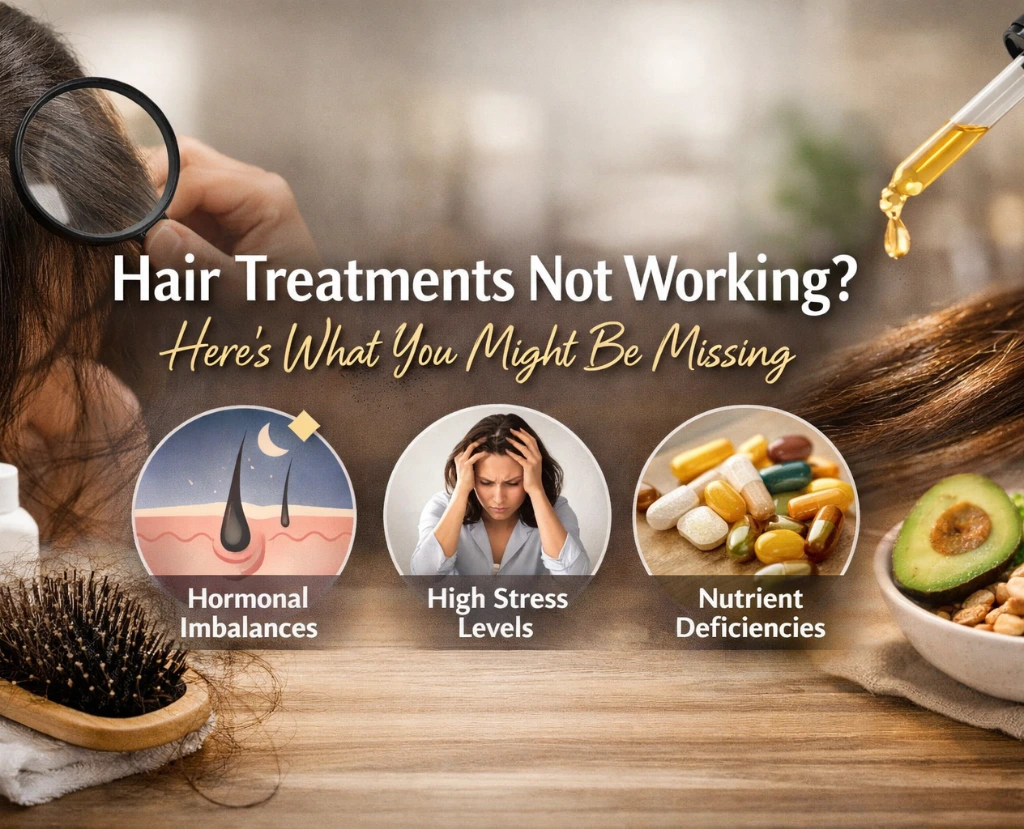

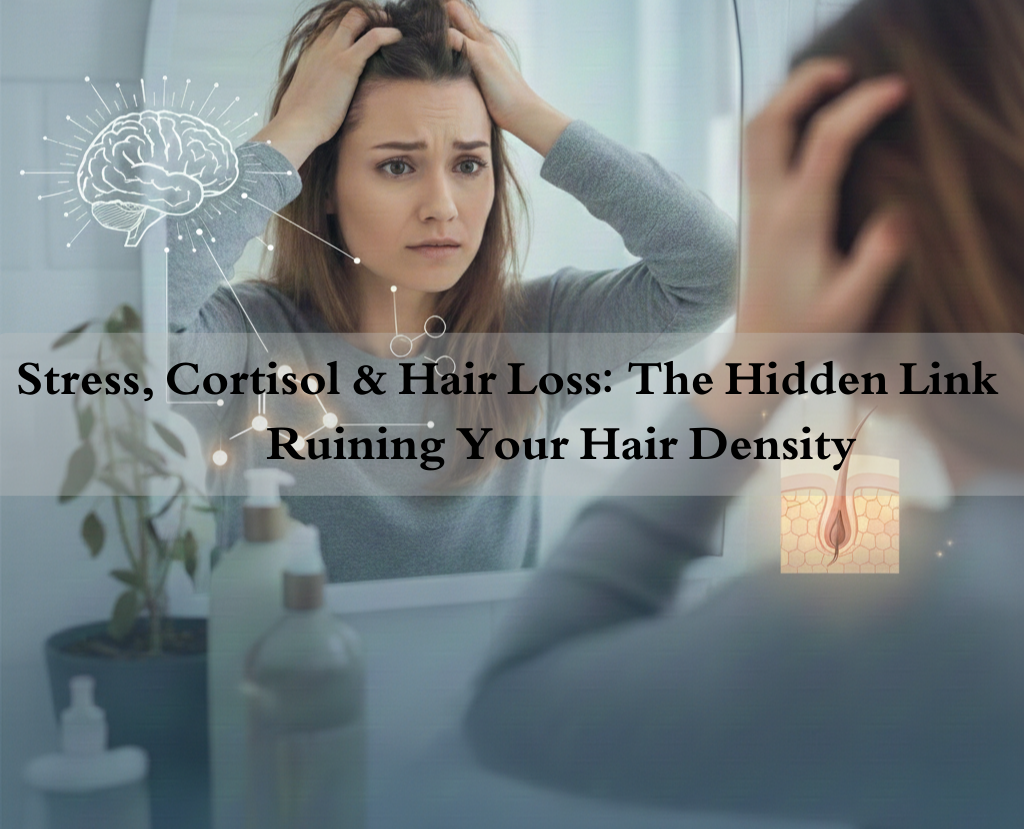
Stress and cortisol quietly reshape your hair growth cycle. When stress spikes, cortisol rises and shortens the growth (anagen) phase while lengthening the shedding (catagen/telogen) phases. That nudges hair toward finer strands and uneven density over time. You may notice diffuse shedding, thinning at the temples or crown, and scalp sensitivity linked to stress peaks. Track triggers and sleep patterns, then adopt stress-reduction tactics and nutrition to stabilize cycles. Stay tuned to learn practical steps and timelines.
How Stress Affects Hair Growth (and What You’ll Learn)
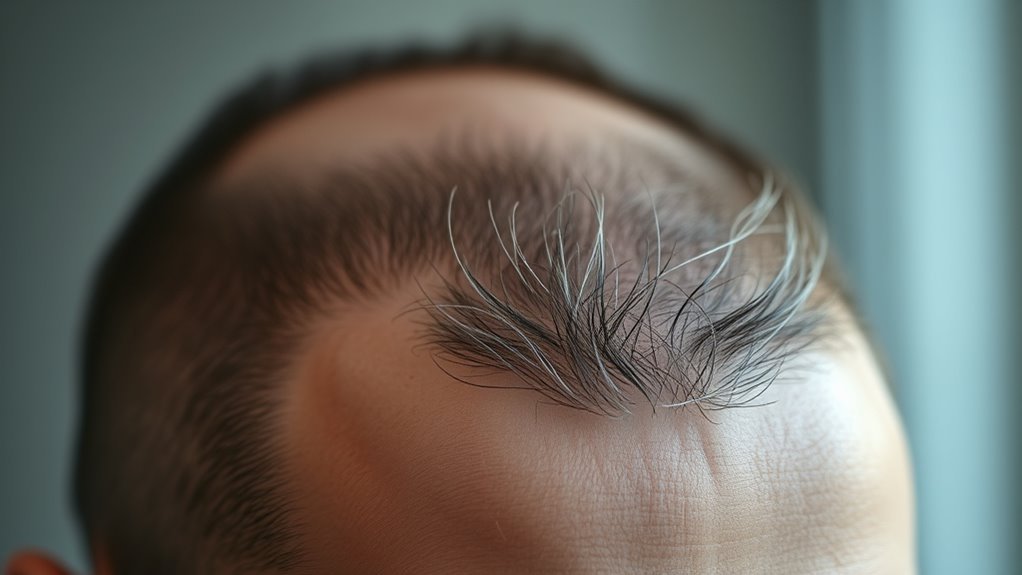
Stress is a common trigger for changes in hair growth, and comprehension of how it works helps you manage expectations and outcomes. In this section, you’ll learn the core ideas of stress physiology and how your body’s response shapes hair production. You’ll discover that stress can alter the hair follicle microenvironment, influencing signals that regulate growth cycles and shedding. By understanding these mechanisms, you can interpret transient changes without panic and track patterns across time. The evidence points to a multi-step pathway: stress activates neural and hormonal responses, impacts blood flow, and shifts nutrient delivery to follicles. With this knowledge, you’ll develop practical strategies to support resilience, maintain consistency in care routines, and set realistic expectations for recovery or stabilization of your hair density.
How Cortisol Disrupts the Hair Growth Cycle
Cortisol directly affects the hair growth cycle by altering the signals that regulate follicle activity. When cortisol signaling rises, anagen (growth) phases shorten and catagen (transition) and telogen (rest) phases lengthen, reducing new hair production. This shift isn’t random; it reflects systemic stress responses that prioritize survival over replication, delaying healing and renewal in hair follicles. You may notice finer strands, slower regrowth after shedding, and uneven density as cycles skew toward dormancy. Importantly, the hair follicle clock—internal timing that coordinates cycles with daily rhythms—can become desynchronized by prolonged cortisol elevations, compounding disruption. The result is a subtle, cumulative thinning rather than abrupt loss, underscoring the need for strategies that stabilize cortisol signaling and restore regular cycling.
How to Spot Stress Effects on Your Scalp
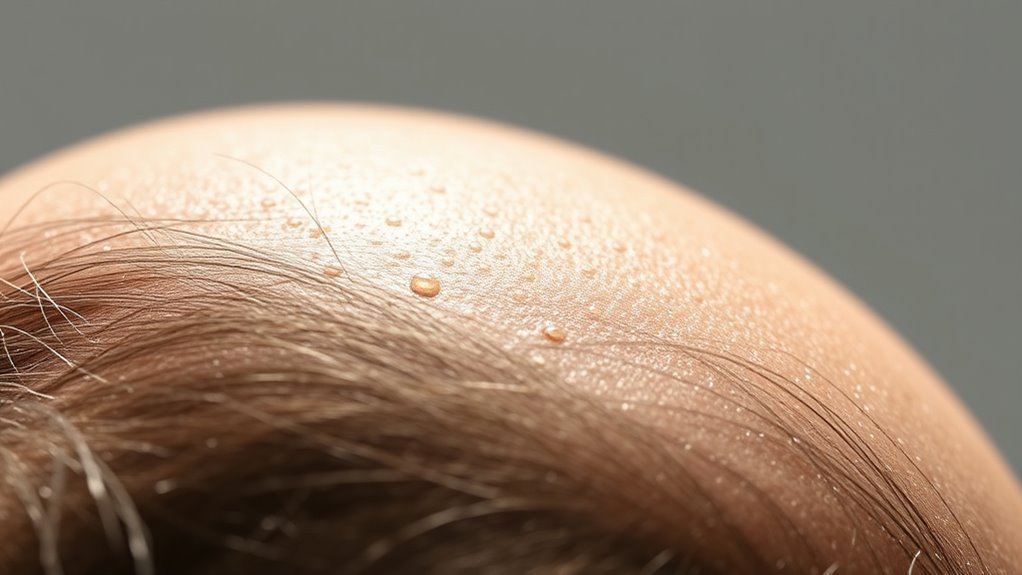
Stress can show up on your scalp as thinning, shedding, or scalp sensitivity when stress hormones shift your hair cycle. You’ll want to notice patterns that tie stress signals on the scalp to changes in hair density, not just temporary flakings. We’ll cover how hormones impact hair, practical coping strategies, and what signs indicate stress is affecting your hair.
Stress Signals On Scalp
When your scalp signals trouble, recognizing the symptoms early can prevent deeper hair changes. You may notice increased sensitivity, itching, burning, or tight-feeling skin that doesn’t fit with your normal routine. Stress signals can manifest as diffuse shedding, more pronounced dandruff, or a sudden scalp glare after washing. Look for a pattern: symptoms that persist beyond a single flu or busy week, especially with sleep disruption or ongoing worry. Scalp sensitivity may accompany tension headaches or jaw clenching, linking stress to surface irritation. Maintain objective records: note timing, triggers, and intensity. If symptoms align with stress signals, address sleep, hydration, and balanced meals, and consult a clinician if you see marked hair shedding or persistent irritation. Early recognition supports healthier density over time.
Hormone Impact On Hair
Rising stress can trigger hormonal changes that affect your scalp long before you notice hair thinning. When stress hormones rise, you may see subtle shifts in the hair growth cycle and increased shedding. Understanding this helps you identify early signs and respond thoughtfully.
- Noticeable hair shedding during or after tense periods signals hormonal imbalance, not just styling.
- Transient thinning around temples or crown coincides with stress peaks and cortisol fluctuations.
- Persistent changes across multiple days warrants a closer look at overall stress and its hormonal footprint.
Coping Strategies For Stress
Ever wondered how everyday stress sneaks into your scalp’s health? You’re not alone, and you can take concrete steps. Start with stress coping: identify daily triggers, then swap reactions for deliberate pauses—three deep breaths, a quick walk, or a 5-minute reflection. Evidence suggests regular micro-breaks can lower perceived stress and may reduce sympathetic arousal that unsettles the scalp. Pair this with hair mindfulness: notice sensations, not just outcomes, and track subtle changes in hair shedding or scalp tension over weeks. Create a consistent routine—integrate sleep, hydration, and balanced meals—since circadian and metabolic factors influence cortisol. Seek social support, share goals, and adjust expectations to fit your life. Small, steady changes optimize resilience and support healthier hair.
Step 1 : Reduce Stress to Protect Your Follicles

Reducing stress is a practical first step to protect your follicles, since chronic stress can disrupt hair growth cycles and move hair from growing to shedding. You deserve a calm foundation, and small changes compound over time.
Reducing stress protects follicles by stabilizing hair growth and supporting steady shedding.
- Identify triggers: map daily stressors and set boundaries to safeguard time for rest.
- Build brief relief rituals: 5-minute breathing, micro-meditations, or a quick walk to reset your nervous system.
- Prioritize sleep and predictable routines: consistent sleep supports resilience against stress hormones.
This approach isn’t about scare tactics; it’s about realistic, evidence-based moves. By reducing stress, you limit the surge of stress hormones that threaten follicle health, supporting steady growth and shedding balance. Belonging grows from steady, manageable actions you can maintain.
Step 2 : Nutrition and Habits for Hair Density
Nutrition and daily habits play a pivotal role in hair density as follicles rely on steady, quality fuel. You support growth by balanced nutrition and consistent routines, not quick fixes. Prioritize protein, iron, zinc, and biotin, plus omega-3s, while staying hydrated. Pair meals with regular sleep patterns to stabilize hormones that influence shedding. Limit processed sugars and alcohol, and taste-tested, nutrient-dense choices keep follicles nourished between washes. Establish sleep, wake times, and wind-down rituals to reinforce recovery cycles essential for hair resilience. Table below clarifies the link between habits and density.
| Factor | Practical Change | Expected Benefit |
|---|---|---|
| Nutrients | Incorporate lean protein + leafy greens | Supports keratin and mineral needs |
| Sleep | Consistent schedule | Stabilizes cortisol and growth cycles |
| Routine | Regular meal timing | Maintains energy availability |
Step 3 : When to Seek Help and What to Expect
If you’re noticing persistent thinning or new shedding in spite of solid nutrition and habits, it’s time to assess when to seek help and what to expect from a professional evaluation. You’ll find care is collaborative, nonjudgmental, and focused on practical steps. Expect a targeted history, exam, and possibly tests to rule out underlying causes. You’ll learn how stress hormones may relate to hair cycles and what realistic timelines look like for improvement. idea one and idea two will guide your conversation with a clinician.
- Schedule a consult with a dermatologist, trichologist, or primary care clinician to review your history and triggers.
- Prepare symptom timelines, medications, and family history to tailor testing and treatment options.
- Discuss evidence-based strategies, realistic goals, and follow-up plans for monitoring progress.
Frequently Asked Questions
Can Stress Cause Hair Color Changes Besides Thinning?
Yes, stress can cause color change in hair, not just thinning. You might notice graying or darker shades as cortisol pathways activate pigment-producing cells irregularly. This isn’t universal, but repeated stress can accelerate existing gray hairs. Stay consistent with healthy habits, seek support, and discuss concerns with a clinician if you see rapid changes. Comprehension of your body helps you feel you belong.
Do Genetics Influence Cortisol’s Impact on My Hair?
Yes, genetics influence it. Your genetic interaction with cortisol sensitivity shapes how your hair responds to stress, meaning some people’s follicles react more or less to cortisol. You’re not just at the mercy of stress; your inherited biology can modulate outcomes. Recognize this isn’t destiny, but a pattern you can influence with stress management and scalp care. Understanding your cortisol sensitivity helps you tailor strategies and feel you belong in a community pursuing healthier hair.
How Long After Stress Does Hair Shedding Begin?
Hair shedding often starts about 2 to 3 months after a stressful event. Yes, the theory that stress triggers a delay in hair growth isn’t just folklore—it reflects the shedding timeline driven by cortisol and follicle cycling. You’ll notice more hair loss during washing or brushing as your body catches up. Manage stress duration with steady routines, and give your scalp time to re-enter a normal cycle for more confident, belonging, evidence-based care.
Can Hair Loss From Stress Be Reversed Quickly?
Yes, it can reverse quickly for many, especially if you address the trigger and support your root health. You may see shedding slow within weeks and improvements over a few months with stress management, proper nutrition, and gentle scalp care. Maintain consistency for quick recovery, but understand that complete regrowth varies. Stay connected to a clinician if shedding persists. Your commitment signals belonging and enables your body to restore hair health.
Is There a Test to Measure Stress-Related Hair Loss Risk?
There isn’t a single test for stress-related hair loss risk, but a thorough approach helps. You can start with a stress assessment, including validated questionnaires, plus medical history, scalp exams, and basic labs to rule out other causes. Your hair loss risk is best assessed by correlating symptoms with timelines. If heightened stress markers or unusual patterns appear, your clinician may suggest monitoring and lifestyle changes alongside possible dermatology or endocrinology referrals.
Disclaimer: This content is for educational purposes only. Individual results may vary. Always consult a qualified practitioner before starting treatment.