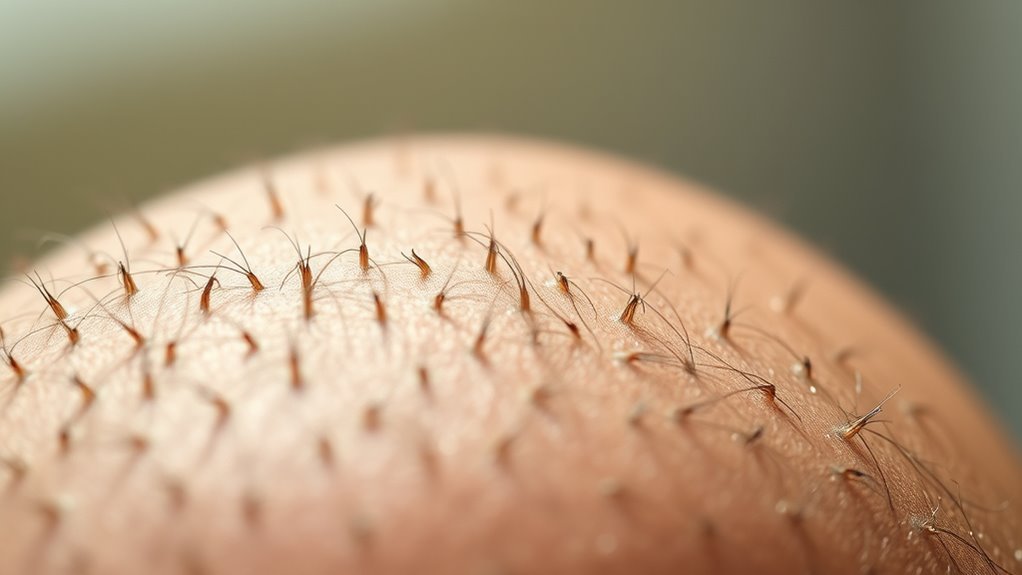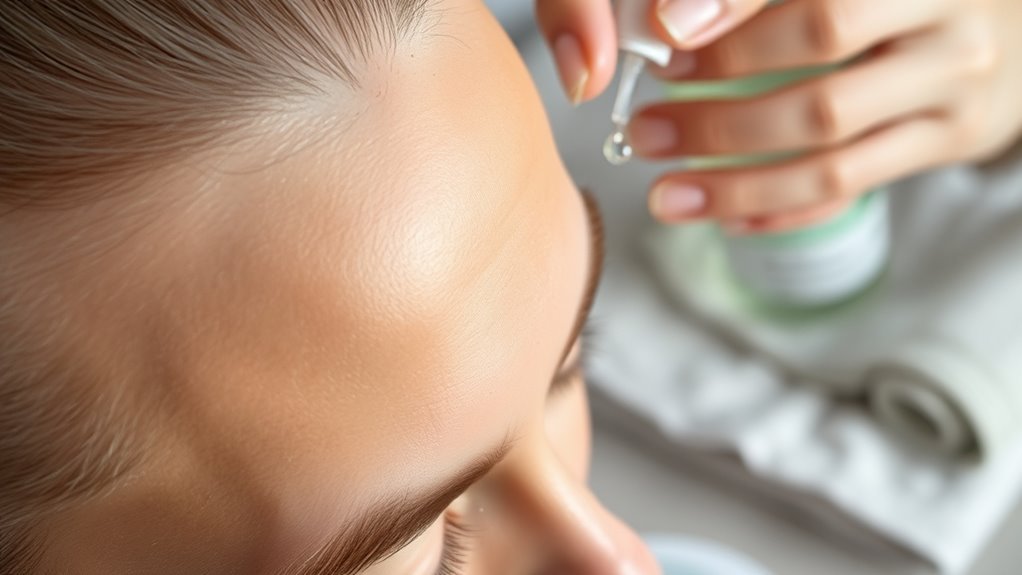


The science of scalp rejuvenation integrates everyday care with evidence-based therapies to restore barrier health, regulate moisture, and optimize the follicular microenvironment. You’ll monitor sebum, hydration, and irritation while using gentle cleansers, barrier-supporting serums, and fragrance-minimized products. Evidence-based ingredients and stepwise escalation to professional options support durable hair vitality, with measurable checkpoints over 6–12 weeks. A personalized plan prioritizes foundational measures, then targeted treatments, so you’ll gain safer, sustained improvements as you progress—and you’ll find more details ahead.
What Scalp Rejuvenation Is, and Why It Matters

Scalp rejuvenation refers to interventions—ranging from daily care practices to medical or cosmetic treatments—that aim to improve scalp health, hair integrity, and the overall environment supporting hair follicles. You’ll find that the concept centers on restoring function, reducing inflammation, and optimizing conditions for follicular growth. In practice, the rationale is to close gaps between observed outcomes and expected results, addressing rationale gaps with evidence-based strategies. You assess modalities for safety, efficacy, and individual suitability, recognizing that unrelated topics can bias decisions if not properly filtered. The goal is measurable improvement in scalp condition, patient satisfaction, and long-term maintenance. By understanding these aims, you engage in shared decision-making, guided by robust data and transparent discussions about risks, benefits, and expectations.
How Scalp Biology Supports Hair Health
Your scalp microenvironment sets the stage for follicle function by regulating moisture, temperature, and barrier integrity, all of which influence nutrient delivery and immune readiness. You’ll see how follicle health signals respond to this milieu, coordinating growth cycles and resilience to stressors. Grasping these connections helps clarify how everyday care and targeted therapies support sustained hair health.
Scalp Microenvironment Basics
How does the scalp’s microenvironment support hair health? You’ll learn how cells, lipids, and microbes form a coordinated ecosystem at the skin surface. The scalp microenvironment maintains barrier integrity, regulates inflammation, and moderates nutrient access to follicles. Resident immune and epithelial cells communicate via signaling networks that respond to mechanical stress and environmental factors, ensuring stable hair cycling. A balanced lipid milieu supports barrier function and lipid signaling essential for keratinocyte behavior and follicle signaling. The scalp microbiome contributes to defense and homeostasis, with shifts linked to irritation or disruption. By preserving this ecosystem—through gentle cleansing, barrier-supporting products, and targeted therapies—you support resilient follicles and healthier hair clinically.
Follicle Health Signals
Follicle health hinges on coordinated signaling between epidermal and dermal compartments, where follicular stem cells, dermal papilla cells, and immune residents exchange molecular cues that govern hair cycling. You’ll learn how follicle signaling interprets hair cycle cues to sustain growth, pigmentation, and resilience against stress. When signals align, anagen dominates; misaligned cues can trigger catagen or telogen. You can harness this knowledge to support your scalp’s biology with informed care and targeted treatments.
- keratinocyte–dermal papilla dialogue
- cytokine and growth factor balance
- SHH, WNT, and BMP pathway interplay
- immune cell involvement in renewal and rescue
How to Assess Your Scalp Type and Needs
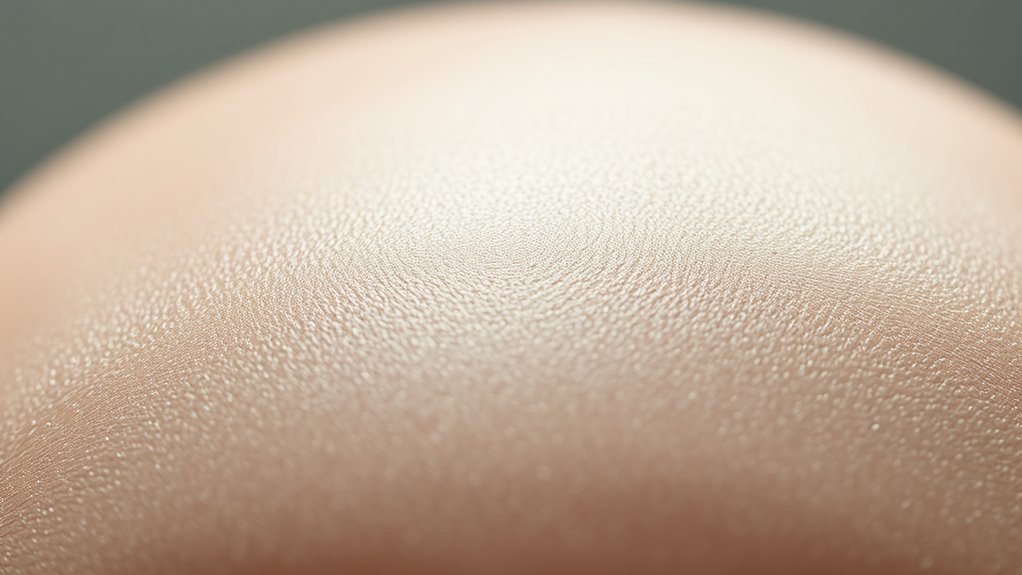
To assess your scalp type, observe oiliness, dryness, flaking, and pore sensitivity across regions and times of day. evaluate needs by linking symptoms to potential interventions, such as moisture balance, sebum control, or barrier support, and note any triggers like products or climate. Use this information to guide targeted care and, if needed, consult evidence-based guidelines or a clinician for personalized recommendations.
Assessing Scalp Type
Evaluating scalp type involves a systematic appraisal of sebum production, hair density, and the skin’s condition to determine appropriate care and treatment needs. You’ll identify patterns that inform product choice, routine adjustments, and targeted therapies. To help you stabilize your scalp health, consider these key steps:
- Assess sebum distribution: shiny vs. dull patches, oiliness with dandruff presence.
- Evaluate hair density: noticeable thinning or fullness across regions.
- Examine the skin: baseline hydration, flaking, redness, or irritation.
- Monitor signals for temperature regulation: perceived coolness or warmth after cleansing or sweating.
Understanding these factors guides you toward scalp hydration strategies and temperature regulation practices that support comfort, belonging, and evidence-based care.
Evaluating Needs Effectively
Building on what you’ve observed about sebum distribution, density, and skin condition, assessing your scalp’s needs involves a structured, evidence-based appraisal of functional signals. You’ll perform a concise scalp assessment that prioritizes objective cues—oiliness, dryness, flaking, and irritation—alongside hair shaft integrity and pore visibility. Note seasonal shifts, product responses, and tolerance to active ingredients, recording patterns over at least two cycles. Distinguish between transient irritation and chronic conditions by evaluating inflammation, itch intensity, and redness after standardized cleansing. Integrate scalp to hair density measurements, and consider lifestyle factors, nutrition, and stress. This evaluative process guides individualized care, aligning treatments with your goals. Embrace a methodical, collaborative approach to scalp assessment, reinforcing belonging through informed, evidence-based decisions about rejuvenation strategies.
Everyday Routines That Actually Move the Needle
What everyday routines actually move the needle for scalp rejuvenation? You’ll notice gradual benefits when you align technique with evidence, not hype. Small, consistent actions support hair rejuvenation without overloading the scalp. Focus on scalp-friendly practices that fit your routine and product formulation choices.
- Maintain a gentle cleansing routine with a mild shampoo, avoiding harsh sulfates.
- Use a lightweight, non-irritating conditioner and avoid heavy residues that clog follicles.
- Apply scalp-safe serums or treatments as directed, prioritizing even distribution.
- Monitor hair tooling: limit high-heat exposure and minimize friction from brushes and hats.
These steps complement overall scalp health, reinforcing product formulation compatibility and predictable outcomes. Your adherence fosters belonging within a data-informed care community, not quick fixes.
Evidence-Based Ingredients for Scalp Health
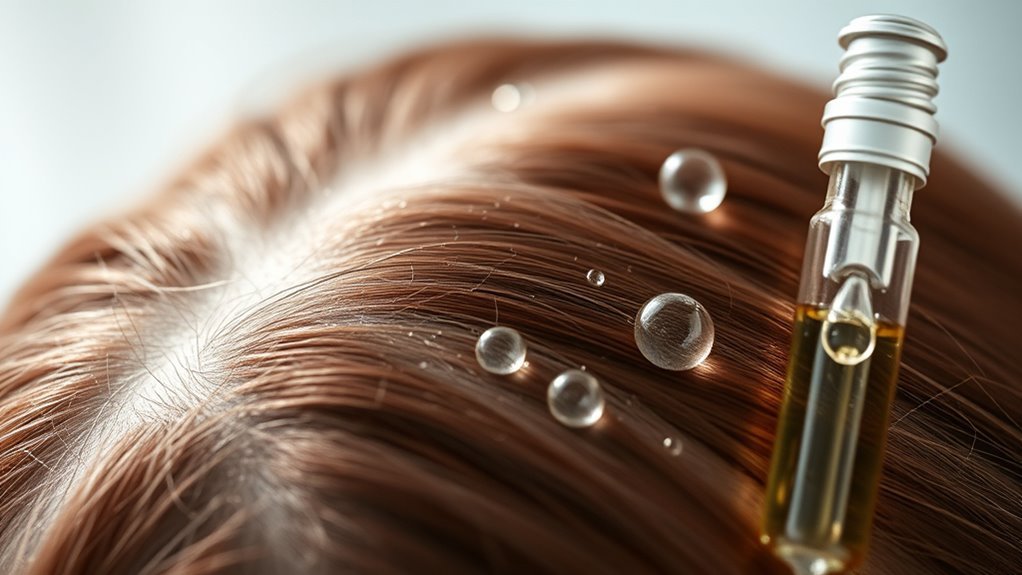
Are there ingredients with proven benefits for scalp health that clinicians routinely rely on? Yes, several are supported by clinical data. For antimicrobial and anti-inflammatory effects, zinc pyrithione and ketoconazole shampoos demonstrate consistent efficacy in reducing dandruff and flaking, while salicylic acid aids exfoliation without over-drying when used appropriately. Niacinamide supports barrier function and may improve overall scalp texture. Tea tree oil shows modest antimicrobial activity but requires dilution to minimize irritation. When evaluating any product, consider ingredient safety, potential sensitivities, and the scalp microbiome balance, avoiding unnecessary disruption. Consistency matters: regular use under professional guidance yields reproducible outcomes. Seek formulations with transparent labeling, evidence-backed concentrations, and minimal irritants to preserve both scalp health and the integrity of the scalp microbiome.
From At-Home Steps to Professional Therapies
To translate at-home care into clinic-ready outcomes, a structured progression from self-management to professional therapy is indispensable. You’ll transition routine scalp care with evidence-based protocols, then align to targeted therapies when needed. The aim is consistency, safety, and measurable improvement.
A structured progression from self-care to professional therapy enables consistent, safe, and measurable scalp improvements.
- Assess home routines for compatibility with clinical goals, noting scalp accessories and their impact on airflow and irritation.
- Integrate fragrance considerations, selecting products with low irritants to minimize sensitization while preserving routine comfort.
- Monitor response over 6–12 weeks, documenting changes in texture, flake presence, and perceived vitality.
- Escalate to professional therapies when indicators persist or worsen, ensuring stepwise, supervised interventions.
This pathway supports belonging through informed participation and partnership with clinicians.
What to Expect From Minimally Invasive Scalp Treatments
Minimally invasive scalp treatments offer targeted relief with rapid recovery, but outcomes vary by technique and individual factors. You can expect brief procedures, minimal downtime, and manageable post-care—often returning to daily activities promptly. Common approaches include microneedling, PRP, and low‑level laser therapy, each with distinct mechanisms and evidence bases. You may notice subtle improvements in texture, density, or scalp comfort over weeks to months, contingent on treatment frequency and baseline conditions. Side effects are typically mild: transient redness, swelling, or tenderness. Realistic expectations matter; results are incremental and personalized. Emerging concepts, such as new pheromone–guided approaches, are exploratory and not guaranteed. If considering edgy lasers, discuss device parameters, safety profiles, and clinician expertise to align outcomes with your goals and comfort level.
Building Your Personalized Scalp Plan: Goals and Timeline
Crafting a personalized scalp plan centers on clear goals, a realistic timeline, and evidence-based steps customized to your baseline condition. Your approach blends measurable targets with practicable milestones, ensuring you can track progress and adjust as needed. By defining both process and outcome, you establish a durable framework for scalp health and cosmetic results.
Craft a personalized scalp plan with clear goals, a practical timeline, and evidence-based steps you can track and adjust.
- Identify 2–3 specific, time-bound goals for scalp health and hair vitality.
- Coordinate interventions with a realistic timeline, prioritizing foundational measures first.
- Use objective checkpoints to reassess progress and modify the scalp plan.
- Integrate lifestyle and product choices that support sustained improvements without overextension.
Your scalp plan anchors decisions in current evidence, reinforcing a sense of belonging to a thoughtful, medical-informed care path. timeline goals are integral to monitoring success.
Common Pitfalls and How to Avoid Them
Common pitfalls in scalp rejuvenation often derail progress when expectations aren’t aligned with evidence or when plans overstep practical limits. You’ll minimize risk by basing choices on robust data rather than anecdotes, and by pacing interventions to allow meaningful assessment intervals. Be wary of scalp myths that promise instant, dramatic results; healthy improvement is gradual and contingent on consistent care. Avoid product overuse, which can irritate skin and disrupt the barrier, and follow label directions plus clinician guidance. When considering treatments, weigh potential benefits against costs and downtime, recognizing that aesthetic procedures complement, not replace, daily hygiene and scalp-friendly practices. Seek a personalized plan, monitor adverse reactions, and adjust based on measurable progress to sustain long-term outcomes.
Frequently Asked Questions
How Quickly Do Results Appear After Scalp Rejuvenation Treatments?
You’ll typically see initial improvements within 4–12 weeks, depending on your treatment plan and scalp condition. Some individuals notice early shedding thickening or shine as follicular activity responds to therapy. Full results often crystallize around 3–6 months, with maintenance sessions as advised. Young Scalp rejuvenation progresses at your pace, and you’ll track progress via treated areas and patient-friendly timelines. Treatment timelines vary; you’ll discuss expectations with your clinician to align goals and ensure consistency.
Are There Risks or Side Effects I Should Expect?
Yes, there are risks and side effects, though they’re typically mild and uncommon. Common reactions include temporary redness, swelling, itching, or irritation, with rare infections or scarring. Long term safety is generally favorable when performed by trained professionals and with proper aftercare. You should monitor for persistent symptoms or new concerns, and discuss your medical history, medications, and allergies to minimize risks and ensure evidence-based, safe care that supports your sense of belonging and trust.
Which Players Influence Scalp Aging Beyond Hair Loss?
You’re asking who shapes scalp aging beyond hair loss. The scalp microenvironment, including immune cells and follicle stem cells, and vascular aging drive changes you see, not just follicles. You’ll note inflammation, lipid balance, and microcirculation matter. A simple analogy: your scalp is a garden; if the soil (microenvironment) and irrigation (vasculature) falter, growth slows. Keep monitoring these factors, as they influence resilience, density, and overall scalp health.
Can Scalp Treatments Affect Hair Pigment or Thinning Differently?
Yes, scalp treatments can influence pigment changes and thinning differently. You’ll see scalp pigment changes respond to circadian and inflammatory factors, whereas thinning mechanism differences reflect follicular cycling and miniaturization cues. Therapeutic effects vary by modality, with some improving microcirculation and others targeting inflammation. You’re likely to experience distinct outcomes, but evidence supports customized approaches for pigment stability and thinning prevention, enhancing both confidence and belonging in shared clinical care.
How Do Costs Evolve With Long-Term Scalp Care Plans?
Cost trajectory typically rises gradually, then stabilizes as routines become routine; you’ll notice steady spending in initial consultations, products, and treatments, followed by lower, predictable monthly costs. Long term budgeting hinges on consistent adherence and periodic adjustments. Juxtaposition: upfront investment vs. accumulated wellness. Over time, durable scalp health reduces reactive costs and enhances value. You gain belonging by predictable plans, transparent pricing, and evidence-based milestones guiding your ongoing care.