

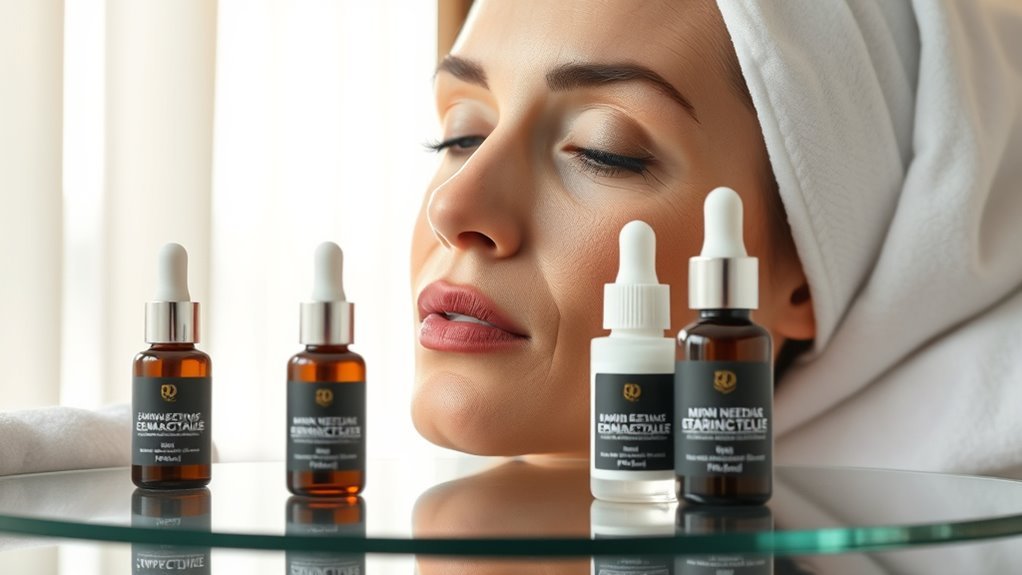
Top 5 non-surgical treatments to reverse signs of aging focus on texture, tone, and volume. Start with targeted skincare: retinoids or bakuchiol, antioxidants, ceramides, and daily broad-spectrum sunscreen to protect and support barrier function. Use devices for surface texture and collagen remodeling, injectable fills for volume loss and dynamic lines, and evidence-based resurfacing modalities as needed. Pair with a disciplined routine, clinician-guided plans, and data-driven decisions. If you keep exploring, you’ll reveal a personalized plan for lasting results.
Identify Your Aging Signs and the Treatments That Target Them

Identify common aging signs and map them to targeted non-surgical options. You’ll assess fine lines, loss of firmness, uneven texture, and diminished radiance to determine practical treatment matchups. For fine lines and early creases, consider synergy between skincare routines and targeted devices or injectables—carefully chosen to optimize results without downtime. Diminished skin tone and texture respond to evidence-based resurfacing modalities, plus topical actives that support barrier function. Sagging contours may benefit from non-invasive lifting approaches, while volume loss calls for precise injectable strategies in appropriate contexts. Always evaluate safety, efficacy, and realistic expectations. This approach emphasizes skincare synergy alongside selective devices vs injectables, aligning choices with your signs. You’ll feel informed, supported, and part of a clinical, evidence-driven treatment community.
Choose Between Devices, Injectables, and Skincare Based on Your Signs
When your signs guide you, choose where to focus: devices, injectables, or skincare—each chosen for specific aging cues and supported by evidence. You’ll assess whether your concerns are surface-level texture, volume loss, or deeper skin laxity. Devices address textural changes and collagen remodeling, helping with subtle tightening when matched to your skin physiology. Injectables target volume deficits and dynamic lines, with evidence guiding product choice, dosage, and timing to minimize risks. Skincare supports barrier function and ongoing improvement between procedures, particularly when formulated for your skin type and goals. Be mindful of devices trends and injectables myths, but prioritize data-driven decisions, clinician expertise, and personalized plans. Your sense of belonging comes from choosing treatments aligned with measurable outcomes and transparent expectations.
At-Home Skincare That Supports In-Clinic Results

Are you maximizing in-clinic results with a disciplined home care routine? Consistent, science-based skincare reinforces treatment gains by preserving collagen, supporting barrier function, and promoting cellular turnover. Use evidence-informed products: a gentle cleanser, an antioxidant serum, and a broad-spectrum sunscreen daily. Pair active ingredients thoughtfully—retinoids or bakuchiol to stimulate renewal, peptides to support matrix integrity, and ceramides to restore barrier lipids. Apply actives in the correct sequence and within tolerable ranges to reduce irritation risks. Recognize aging myths and sunscreen myths, separating marketing from data-driven practice. Sunscreen remains essential, even indoors or on cloudy days, to minimize photoaging. Create a sustainable routine, monitor tolerance, and adjust with clinically guided thresholds to maintain in-clinic gains over time.
What Results to Expect and How to Plan for Maintenance
Results you can expect and a plan for maintenance should be guided by your treatment goals, the specifics of your aging signs, and your skin’s response over time. As you proceed, you’ll notice gradual improvements in texture, tone, and firmness, with results stabilizing through ongoing maintenance. Plan follow-ups based on observed aging myths and evidence, adjusting frequency and modalities to sustain skin tightening and collagen support. Realistic timelines: initial changes within weeks to months, with long-term benefits evolving with consistent care. Your plan should include structured touch-up intervals, sun protection, and skin-strengthening routines.
| Session/Intervention | Expected Outcome/Focus |
|---|---|
| Month 1–2 | Early texture refinement, minor tightening |
| Month 3–6 | Noticeable tightening, even tone, continued collagen support |
| Month 6–12 | Consolidation of results, maintenance strategy refinement |
| Year 1+ | Sustained improvement, personalized plan updates |
| Follow-up | Regular assessment, adjust treatments |
Create a Realistic Budget and Safety Plan

A realistic budget and safety plan begins with a clear cost map and risk assessment informed by your chosen treatments and local pricing. You’ll compare procedure fees, follow-up visits, and potential accessory costs, coordinating them with your financial window and insurance realities if applicable. Next, define a stepwise budget plan that prioritizes essential services, conserves unnecessary expenses, and flags refill or maintenance cycles. For safety protocols, document pre-treatment screenings, consent steps, and reaction management, tailoring protocols to your medical history and practitioner recommendations. Build contingencies for possible side effects, downtime, and iterative sessions. Regularly review outcomes, update price estimates, and adjust your plan accordingly. This approach cultivates budget planning discipline while upholding rigorous safety protocols and a sense of shared purpose with your care team.
Frequently Asked Questions
How Long Do Non-Surgical Treatments Take to Show Results?
Non-surgical treatments typically show results within days to a few weeks, depending on the modality and area treated. How long do non surgical treatments take to show results? You’ll notice improvements gradually, with some changes evident after a single session and full outcomes usually outside 2–12 weeks. How soon? Most people see initial effects within a week, with continued improvement as collagen remodels. Aging signs can recur after treatment without maintenance. Regular follow-up, realistic goals, and preserving skin health support lasting results.
What Are the Most Common Side Effects Post-Treatment?
Common side effects often include temporary redness, swelling, or bruising at the treatment site, with mild tenderness lasting hours to days. Post treatment recovery typically involves avoiding strenuous activity briefly and protecting skin from sun exposure. You may notice minor texture changes or transient pigment shifts, which usually resolve within days to weeks. If you experience persistent pain, severe swelling, or blistering, seek medical advice promptly to ensure safe, evidence-based care.
Can Aging Signs Recur After Treatment, and How Soon?
Sure, aging signs can recur after treatment, and the timing varies. You may see some return within months as natural biology resumes, often around 6 to 12 months depending on the intervention and your lifestyle. Regular maintenance, follow-up, and realistic expectations help manage aging recurrence. In practice, adhere to prescribed treatment timelines, monitor changes, and consult clinicians promptly to tailor ongoing plans and sustain results.
Are There Any Lifestyle Factors That Undermine Results?
Yes, certain lifestyle factors can undermine results. Poor sleep, high stress, smoking, excessive alcohol, and unprotected sun exposure accelerate ageing timelines and counteract maintenance. You’ll benefit from consistent sun protection, balanced nutrition, regular exercise, and adequate sleep to support treatment maintenance. Avoid crash diets and extreme weight changes, and manage stress with mindfulness. By synchronizing habits with proven care, you preserve improvements and slow further ageing timelines while staying involved with your treatment plan.
How Do I Choose a Reputable Non-Surgical Provider?
Start by checking reputable credentials and board certifications, then review patient testimonials for consistency. For a hypothetical patient, you’d verify a non surgical provider’s treatment selection aligns with evidence-based guidelines and measurable outcomes. Look for clear before/after data, transparent pricing, and a willingness to discuss risks. Ask about credentials, experience with your specific concerns, and multidisciplinary referrals. Prioritize providers who document outcomes, emphasize safety, and nurture a sense of belonging through collaborative, individualized care.