

Why Multivitamin IV Drip Therapy Becomes Essential During Winter in the UK
Winter places quiet pressure on the body. Reduced sunlight, frequent illness, lower energy levels, and dietary changes often leave vitamin levels depleted. For many women, this internal imbalance shows up as fatigue, low immunity, and increased hair fall.
This is one of the main reasons multivitamin IV therapy becomes especially popular during winter in the UK.
Why Winter Increases Vitamin Deficiency
During colder months, several factors reduce nutrient availability:
• limited sun exposure lowers vitamin D levels
• appetite and digestion change
• illness and stress increase nutrient demand
• absorption from oral supplements becomes less efficient
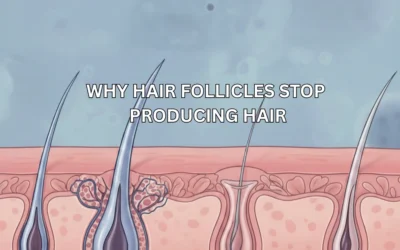
Hair follicles are highly sensitive to these changes because hair growth requires a steady supply of vitamins and minerals.
How Vitamin Deficiency Affects Hair
When the body lacks essential nutrients, it prioritises survival over hair growth.
As a result:
• hair growth phases shorten
• shedding increases
• new hair grows finer
• regrowth slows
This is why hair fall often worsens during winter even without visible scalp issues.
What Makes Multivitamin IV Therapy Different
Unlike oral supplements, IV drip therapy delivers vitamins directly into the bloodstream. This bypasses digestion, allowing nutrients to reach cells more efficiently.
IV drip therapy is popular in winter because it supports the body at a time when demand is high and absorption is often compromised.
How Multivitamin IV Therapy Supports Hair and Health
Multivitamin IV therapy may help by:
• restoring depleted vitamin levels
• improving energy and immunity
• supporting hair growth processes
• enhancing response to hair treatments
It supports the internal environment hair depends on rather than acting directly on the scalp.
When Vitamin Injections Are Also Used
In some cases, specific deficiencies need targeted correction rather than broad support.
Vitamin injections are often chosen when:
• blood levels are low
• hair fall is linked to nutrient depletion
• oral supplements have not helped
They deliver focused support where it is needed most.
Combining IV Therapy With Hair Treatments
Correcting deficiencies stabilises the foundation, but follicles weakened over time may still need regenerative support.
IV therapy is often combined with:
• PRP hair treatment
• GFC hair therapy
• Exosome hair therapy
This combined approach improves consistency and long-term results.
Waiting until hair thinning becomes visible can delay recovery. Supporting internal health early helps reduce seasonal hair fall and protects long-term density.
👉 Unsure which treatment suits you? Chat now for personalised assistance.
Conclusion
Multivitamin IV therapy is popular during winter because it supports the body when vitamin demands are highest. By restoring internal balance, it helps stabilise hair fall, improve energy, and enhance the effectiveness of hair treatments.
For women seeking personalised, medically guided hair and wellness care, Cosmeticstar offers integrated winter solutions designed around long-term health and confidence.
GDPR Notice: All consultations and treatments are managed in accordance with GDPR requirements. Personal data remains confidential. Clicking the WhatsApp link redirects you externally.
Please review our Privacy Policy.
Disclaimer: This blog is for educational purposes only and does not replace professional medical advice. Individual results may vary. Always consult a qualified practitioner before starting treatment.
FAQ
Q: Why is hair fall worse in winter?
A: Vitamin deficiency and stress often increase during colder months.
Q: Do IV drips work better than supplements?
A: Often yes, because absorption is more reliable.
Q: Can IV therapy help with hair loss?
A: It supports the internal conditions hair growth depends on.
Q: Are vitamin injections different from IV drips?
A: Yes, injections target specific deficiencies.
Q: Is professional guidance important?
A: Yes, it ensures the right nutrients and treatments are chosen.


0 Comments