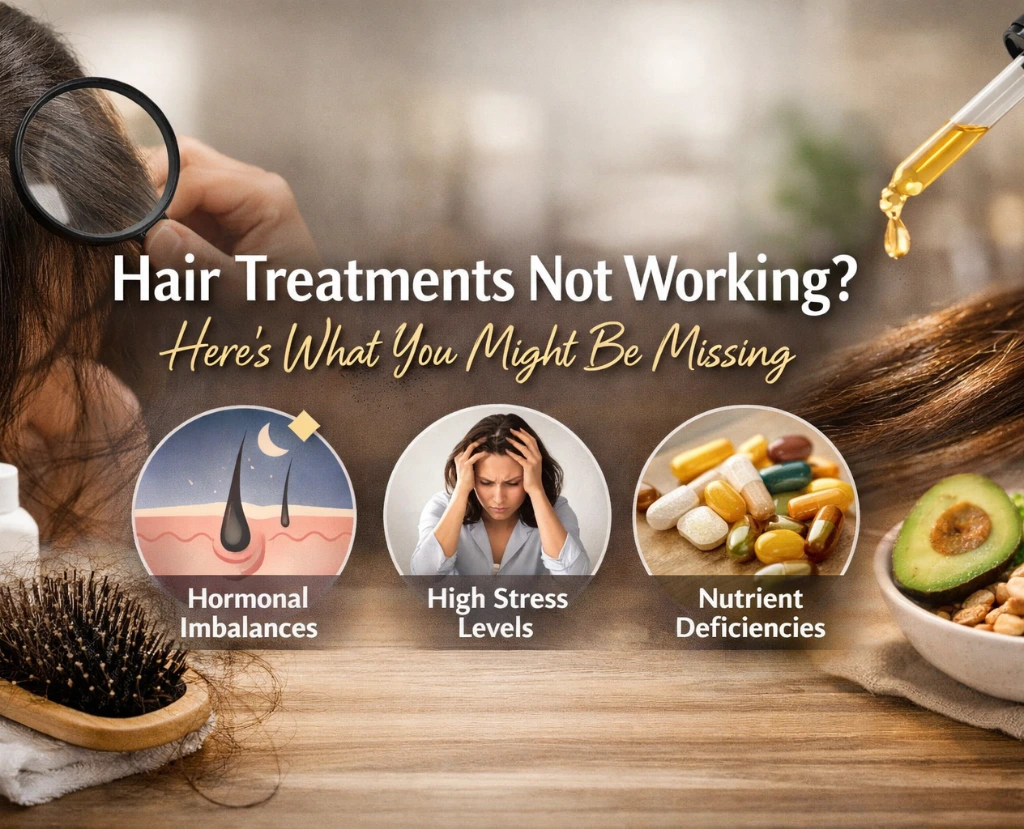

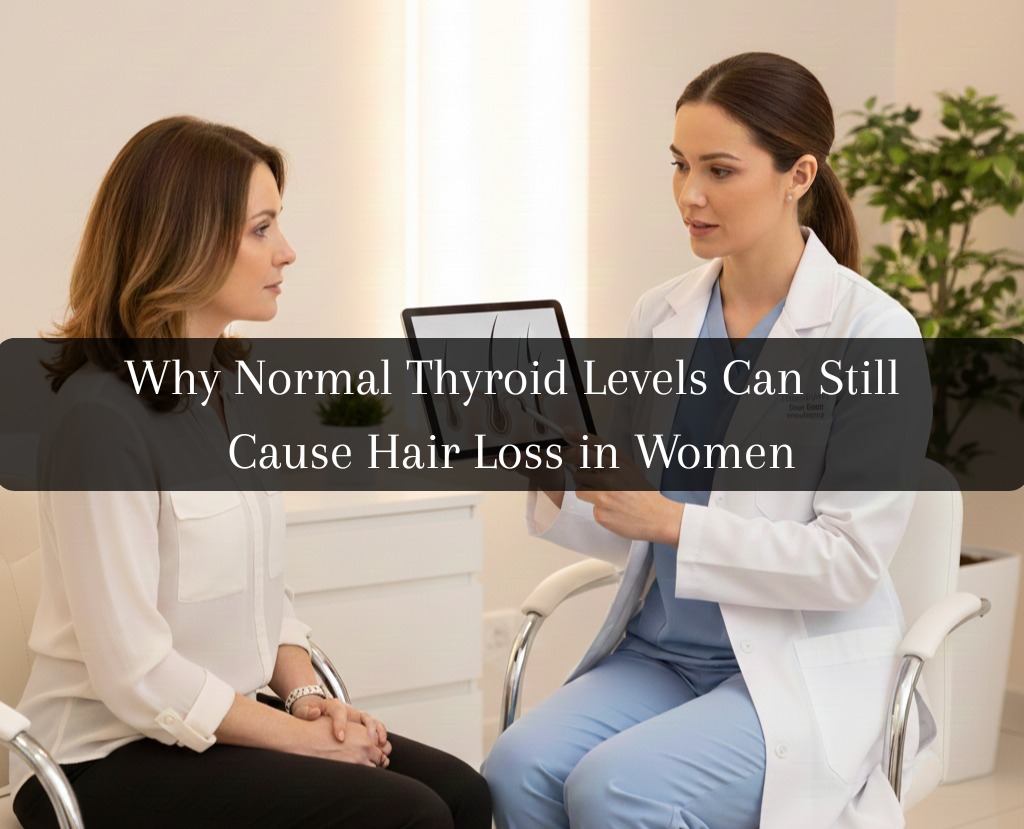
Even when thyroid tests are normal, hair loss can occur due to subtle thyroid signaling and receptor sensitivity vary between people. Small shifts in deiodination, antibodies, or follicular receptor activity can alter hair cycling without changing lab values. Normal TSH, free T4, and free T3 don’t guarantee synchronized growth phases, and non-lab factors—nutrition, stress, sleep, and scalp health—play roles too. If symptoms persist, a holistic assessment helps tailor care for your hair health—there’s more to learn below.
What Normal Thyroid Numbers Really Mean for Hair
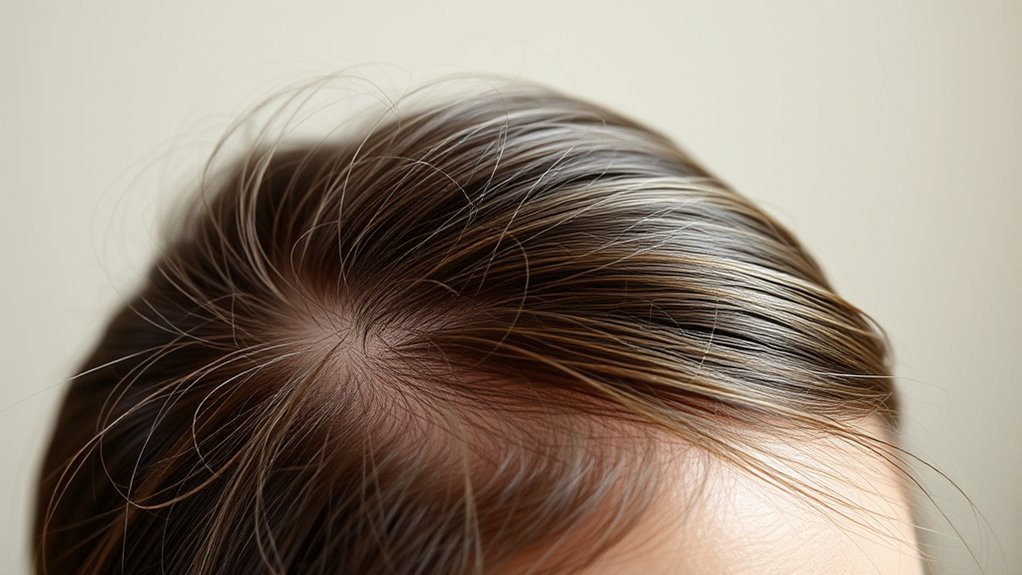
Even when thyroid test results fall within the reference range, hair health can still be affected since “normal” numbers don’t always reflect tissue-level thyroid activity. In this section, you’ll learn what normal thyroid values actually indicate for hair biology. Blood tests measure circulating hormones, not the local action within follicles. Normal TSH, free T4, and free T3 can coexist with suboptimal receptor signaling, altered deiodination, or downstream gene expression changes that influence keratinocyte function. Studies show that hair biology responds to subtle shifts that may escape standard panels. Individual variation, assay sensitivity, and timing of testing matter. When interpreted collectively with symptoms and history, normal thyroid results can still align with patterns of hair thinning, guiding targeted evaluation rather than unnecessary alarm.
How Subtle Thyroid Shifts Lead to Hair Breakage
Could subtle variations in thyroid signaling quietly influence hair integrity? Yes, they can, even when standard labs appear normal. You may notice increased breakage or fuzzier, finer strands because tiny shifts alter follicular energy as well as keratin synthesis. This subtlety matters for Subtopic relevance: small thyroid flux can stress hair resilience, tipping the balance between growth and breakage without triggering overt thyroid disease. Mechanistically, minor changes in circulating thyroid antibodies, local deiodination, or receptor sensitivity can modify follicular cycling and shaft cohesion, increasing fragility. Clinically, this translates to a pattern of diffuse breakage rather than complete shedding. Track symptoms alongside targeted tests, and consider remediation that supports follicular robustness, including nutrition, stress management, and verified thyroid optimization. Your hair health deserves precise, evidence-based attention.
Thyroid Hormone and Hair Growth Cycles Demystified
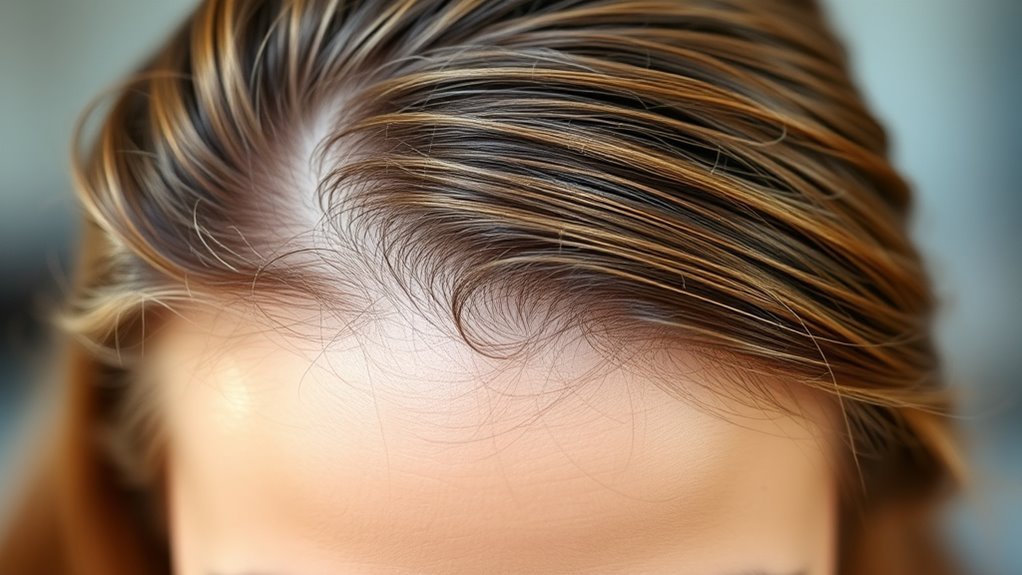
Have you ever wondered how thyroid hormone shapes the hair growth cycle at the follicular level? When T3 and T4 reach follicles, they modulate keratinocyte proliferation and the anagen–catagen–telogen transitions. Clinically, thyroid signaling influences duration of the anagen phase and the timing of regression, affecting hair density and shaft caliber. In hypothyroidism, you may see shortened anagen and delayed shedding, whereas hyperthyroidism can accelerate cycling and produce finer regrowth with altered sheen. Mechanistically, thyroid receptors in outer root sheath cells interact with Wnt and IGF pathways to coordinate follicle cycling. Subtopic idea1, subtopic idea2, along with peripheral deiodinase activity, explains why normal serum levels may not guarantee synchronous cycling, underscoring a need for holistic assessment of thyroid function and hair biology. Precision informs patient care.
When Lab Variability Isn’t Enough to Explain Hair Loss
Despite normal lab values, some women still experience hair loss due to factors that labs don’t fully capture. You’ll benefit from recognizing non-lab contributors, including lifestyle and psychosocial stressors that influence hair cycling. Evidence shows that symptom timing, family history context, and subjective thinning can diverge from metrics, guiding a more personalized approach. You’re not alone in navigating uncertainty, and acknowledging these elements supports belonging within a care team.
Despite normal labs, hair loss can hinge on non-lab factors like lifestyle and stress, guiding a personalized care approach.
- fashion psychology can shape perceived hair vitality and styling choices, impacting self‑image
- workplace flexibility reduces chronic stress and may stabilize shedding patterns
- social support modulates coping, influencing adherence to treatments
- objective measures paired with patient-reported outcomes provide a fuller picture, aligning care with your goals
Other Thyroid Tests That Matter for Hair Health
Beyond standard thyroid labs, several additional tests can shed light on hair health by capturing dynamic or subtle thyroid-related influences. You’ll gain precision by evaluating markers beyond TSH, free T4, and T3, including hair-specific or peripheral indicators and functional assessments. These tests can reveal how thyroid activity affects hair enzymes and nutrient processing, or how local scalp factors modulate thyroid-mediated effects like follicle metabolism and cytokine balance. In practice, selecting tests with demonstrated links to hair outcomes improves interpretation and care. Consider integrating data on hair enzymes activity and scalp airflow as part of a holistic assessment.
| Test category | What it reflects |
|---|---|
| Hair enzymes | Follicular metabolism and enzyme activity relevant to keratin production |
| Scalp airflow | Local perfusion and oxygen delivery impacting follicle health |
How Timing, Metabolism, and Life Stages Affect Hair
Timing, metabolism, and life-stage factors shape hair outcomes by altering follicle cycling, nutrient availability, and hormonal milieu. You’ll notice timing nuances across cycles, puberty, pregnancy, and menopause influence shedding and growth rates, while metabolism shifts affect energy delivery to follicles. When metabolism slows, nutrient delivery wanes; when it speeds up, turnover adapts accordingly, sometimes masking or revealing underlying sensitivity. This is not about blame but about biology, and understanding supports you in seeking targeted care. Recognize patterns, track changes, and discuss them with clinicians to tailor approaches.
Timing, metabolism, and life stages shape hair outcomes through follicle cycles and nutrient flow.
- You notice gradual shifts in shedding rhythm and density at key life stages
- You observe how energy, sleep, and stress interact with follicle health
- You compare treatment responses across timing changes and metabolic states
- You seek evidence-based plans that honor your biology and belonging
Common Pitfalls: Meds, Supplements, and Hidden Triggers
Common pitfalls often lie in everyday choices: medications, supplements, and hidden triggers that quietly influence thyroid- and hair-related outcomes. You deserve clarity, not confusion, so we’ll keep findings practical and precise. Medication effects can alter thyroid hormone utilization even when lab values look normal, potentially impacting hair cycling. Some drugs disrupt conversion, binding, or receptor activity, underscoring the need to review all prescriptions with your clinician. Supplement interactions matter too; certain vitamins, minerals, or herbal products may interfere with thyroid function or with medication absorption. Report new supplements, dosages, and timing. Hidden triggers—stress, sleep disruption, dietary extremes, and chronic inflammation—can compound risks. By mapping meds and supplements to symptoms, you gain a clearer path to targeted management and a sense of belonging in evidence-based care.
Questions to Ask Your Doctor About Hair and Thyroid
What should you ask your doctor about hair and thyroid to uncover root causes and guide treatment? You want precise questions that clarify timing, diagnostics, and options, so you can feel supported and informed. Focus on targeted inquiries, evidence, and practical next steps.
- What tests will confirm thyroid status and timing of hair loss?
- How do results influence treatment choices and monitoring?
- Are there non-thyroid triggers we should evaluate together?
- What symptoms signal a need to adjust therapy or pursue additional care?
These questions help you understand the cause, set realistic timelines, and participate actively in your care. Ask for written follow-up plans and what to track at home to ensure you’re aligned with your clinician’s recommendations.
Practical Steps to Support Hair Health With a “Normal” Thyroid
Even when thyroid tests come back normal, hair health can still be affected by subtle, non-thyroid factors that you can address directly. Practically, optimize protein intake and iron status, as micronutrient adequacy supports follicular cycles without implying thyroid dysfunction. Maintain steady sleep, manage stress, and limit harsh styling to reduce mechanical shedding. A clinician can assess ferritin, zinc, and vitamin D levels, guiding targeted supplementation if needed. Minimize inflammatory triggers through a balanced diet and aftercare that protects the scalp barrier. Consider evidence-based topical options like minoxidil when indicated, and discuss timing with your provider to avoid off topic discussion during visits. Finally, track patterns of shedding and respond to changes promptly, reinforcing a sense of control and belonging in your care. unrelated topic
Frequently Asked Questions
Can Normal TSH Still Cause Hair Shedding?
Yes, normal TSH can still be linked to hair shedding. In some people, subtle thyroid fluctuations, local tissue sensitivity, or concurrent factors like iron deficiency or inflammation may drive shedding despite a normal TSH. You deserve precise, evidence-based guidance, so consider comprehensive evaluation beyond TSH, including ft4, ferritin, and inflammatory markers. If you notice persistent shedding, work with your clinician to tailor tests and management, fostering belonging and informed, collaborative care.
Is Hair Loss Always Thyroid-Related With Normal Tests?
No, hair loss isn’t always thyroid-related with normal tests. You may have other factors like iron deficiency, autoimmune conditions, or hair cycle changes at play. While thyroid myths persist, normal TSH and free T4 don’t rule out subtle thyroid issues or sensitivities. Seek a thorough evaluation to confirm causes. You belong in a care plan that considers nutrition, stress, and genetics as well, guiding targeted, evidence-based management.
Do Pregnancy or Menopause Affect Thyroid-Hair Links?
Answer: Yes—pregnancy and menopause can affect thyroid-hair links. During pregnancy, hormonal shifts plus thyroid changes may alter hair shedding patterns; postpartum shifts may temporarily worsen or improve hair loss. Menopause brings estrogen decline, potentially unmasking thyroid-related thinning even with normal thyroid tests. In both, you’re part of a broader physiology, not alone. subtopic: pregnancyhair, menopausehair. Evidence supports monitoring thyroid function, iron, and nutrients; discuss with your clinician to feel supported and understood.
Can Medications Alter Hair Despite Normal Thyroids?
Yes, medications can alter hair even with normal thyroids. You may notice changes on account of medication effects on follicles or inflammation, or through hormone interplay with other systems. In evaluating this, clinicians look at timing, dose, and concurrent therapies. If hair loss occurs, review meds for potential adverse effects, adjust if possible, and consider adjuncts like dermatologic treatments. Document trends and communicate with your provider to balance benefits and risks; individualized plans help you feel supported.
Should I Test for Thyroid Antibodies for Hair Loss?
As a map with concealed routes, yes—you should consider testing thyroid antibodies if hair loss concerns you. Your clinician may check thyroid antibodies alongside thyroid function to assess autoimmune activity that can impact follicles. If antibodies are elevated, it suggests an autoimmune component even with normal TSH/T4. Use this information to tailor treatment discussions and follow evidence-based guidance on hair loss management and potential autoimmune thyroiditis.
Disclaimer: This content is for educational purposes only. Individual results may vary. Always consult a qualified practitioner before starting treatment.