
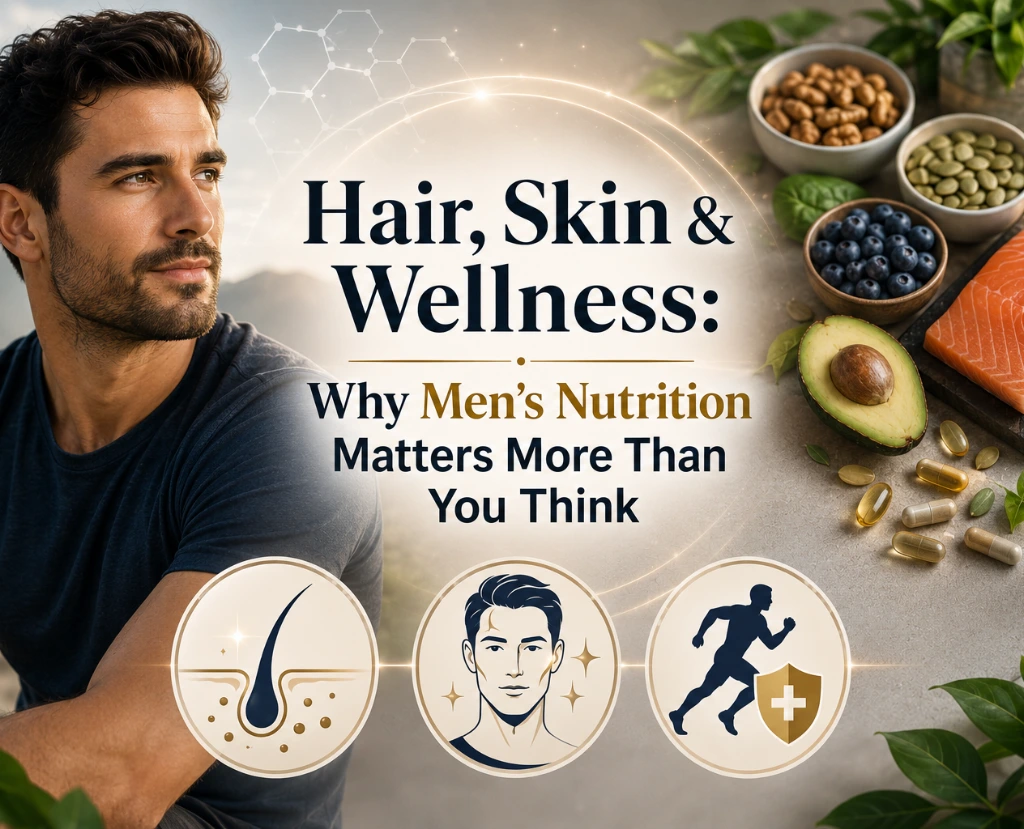
Hair, Skin & Wellness: Why Men’s Nutrition Matters More Than You Think
Men’s health — in the context of hair and skin specifically — tends to get less attention than it deserves. The conversation around skincare and hair loss has historically been skewed towards women, and many men go years, sometimes decades, managing the visible symptoms of nutritional deficiencies without ever being told that nutrition could be a significant factor.
At Cosmeticstar in Leeds, we see the impact of this gap regularly. Men arrive with hair that has been thinning for years, skin that looks persistently dull or irritated, and energy levels that have been below par — and discover through a proper assessment that the nutritional picture has been a contributing factor all along. This blog addresses that gap directly.
Men’s Nutrition Gets Overlooked — And It Shows
Men are statistically less likely to seek health advice, less likely to be offered nutritional assessments as part of routine care, and less likely to make the connection between their diet and their hair or skin quality. The Men’s Health Forum’s insights on men’s health-seeking behaviour highlight the persistent tendency for men to underinvest in preventative health — including nutritional health — until something becomes visibly problematic. Hair loss and skin decline are often the first visible signals of internal imbalances that have been building for a long time.
How Nutrition Shapes Hair and Skin in Men
Protein and Keratin Production
Hair is primarily made of keratin — a protein produced by the follicle using amino acids from dietary protein. If protein intake is insufficient relative to the body’s demands, keratin production is compromised. Hair becomes weaker, grows more slowly, and sheds at a higher rate. Skin cells are also protein-dependent structures that regenerate continuously, and inadequate protein intake produces visible effects in skin texture, healing speed, and overall resilience. Men who train intensively are particularly at risk of inadvertently under-consuming protein relative to their output.
DHT, Zinc, and the Hair Loss Cycle
The primary hormonal driver of male pattern hair loss — DHT (dihydrotestosterone) — is modulated in part by zinc. Zinc inhibits the 5-alpha reductase enzyme that converts testosterone to DHT. Adequate zinc levels do not eliminate DHT, but they do reduce its activity at the follicular level — making zinc sufficiency a meaningful, practical tool in managing the pace of androgenetic hair loss. Many men lose significant zinc through sweat during exercise, and the combination of high training volume and a diet that does not consistently replenish it creates a gradual deficiency that can compound genetic hair loss meaningfully.
Inflammation and the Skin-Hair Connection
Chronic low-grade inflammation — driven by poor diet, high stress, inadequate sleep, or gut dysbiosis — affects both hair and skin in men. For hair, scalp inflammation contributes to follicular miniaturisation and impairs the healing of follicular tissue. For skin, it manifests as persistent redness, breakouts, uneven texture, and accelerated ageing. The anti-inflammatory effect of adequate omega-3 intake, zinc, vitamin D, and antioxidants is one of the most underappreciated nutritional interventions available to men managing both hair and skin concerns.
Energy Metabolism and Follicular Function
Hair follicles are energetically demanding. They depend on B vitamins — particularly B12, B6, B3, and B5 — to drive the metabolic processes that underpin healthy cell production and growth cycles. Men with B vitamin deficiencies tend to have hair that grows more slowly, skin that looks persistently tired, and an overall sense of flatness in their appearance that no topical product adequately addresses. Correcting B vitamin status from within changes the biological environment in which follicles and skin cells operate.
Treatment Options at Cosmeticstar, Leeds
Vitamin Injections
For men who want reliable, fully absorbed nutritional correction rather than the variability of oral supplementation, our Vitamin Injections in Leeds deliver B12, vitamin D, zinc, biotin, and other targeted nutrients intramuscularly — at therapeutic doses, with complete bioavailability.
IV Drip Therapy
Our IV Drip Therapy in Leeds provides a comprehensive intravenous nutritional delivery system — addressing multiple deficiencies simultaneously with a personalised blend of vitamins, minerals, and antioxidants.
PRP Hair Treatment
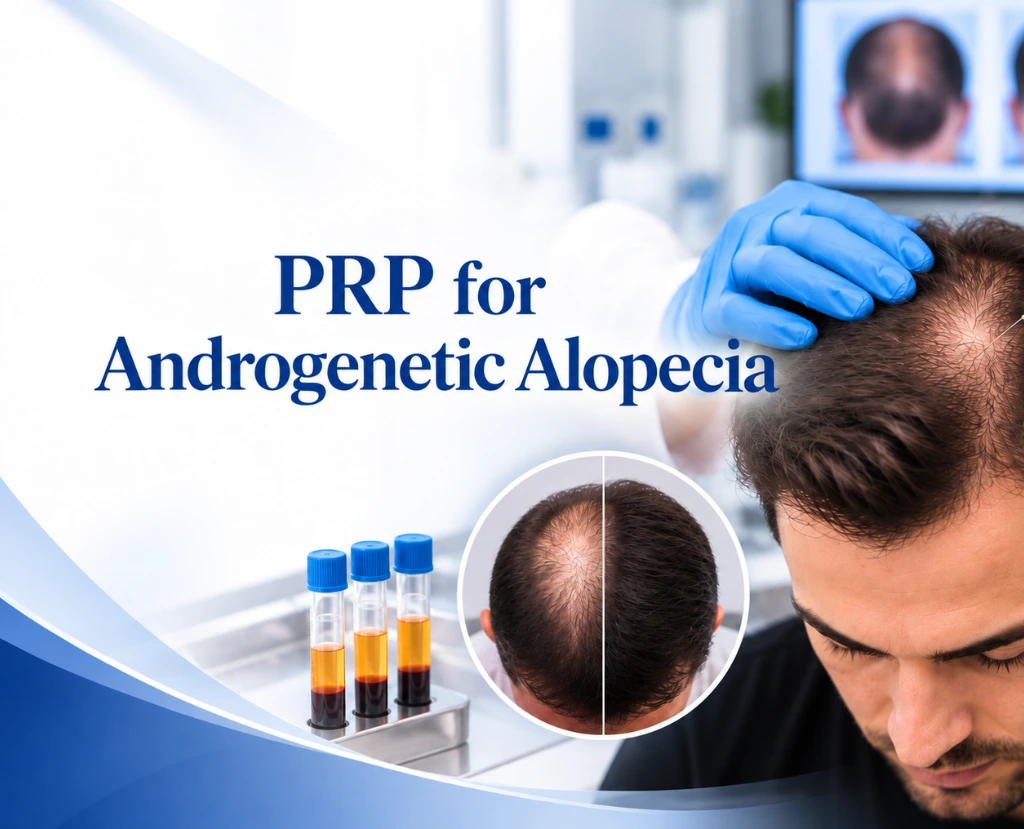
For men whose hair thinning has progressed, PRP Hair Treatment in Leeds delivers growth factors directly to the follicle — complementing nutritional correction with a direct biological stimulus to reactivate hair growth.
GFC Hair Therapy
The most advanced non-surgical hair restoration treatment available in Leeds, GFC Hair Therapy in Leeds is the preferred option for men with more significant or faster-progressing hair loss — delivering a stronger, more targeted growth factor stimulus than standard PRP.
Exosome Therapy
For men with complex or persistent hair loss, Exosome Therapy in Leeds provides a cellular-level regenerative treatment that works beyond what PRP and GFC achieve — the frontier of non-surgical hair restoration.
Practical Takeaways for Men
- Eat enough protein for your activity level — this is probably the most underrated hair and skin intervention available
- Train, but replace what training depletes — zinc, B vitamins, and magnesium are all depleted by intensive exercise
- Get a proper nutritional blood panel annually — not just a standard check, but a targeted one including ferritin, vitamin D, B12, and zinc
- Address the internal picture alongside any clinical hair treatment — it makes every treatment work better
- Stop dismissing changes in your hair and skin as ‘just getting older’ — they are often nutritional signals worth investigating
Talk to Cosmeticstar in Leeds
If you want a proper assessment of how nutrition is affecting your hair and skin — and a clear, honest plan to address it alongside clinical treatment — Cosmeticstar in Leeds is here for exactly that. Chat now — click the link and you will be redirected straight to WhatsApp.
Conclusion
Men’s nutrition matters more for hair and skin health than the wellness conversation has historically suggested. The internal environment — nutritional, hormonal, inflammatory — directly shapes what is visible on the surface. Cosmeticstar in Leeds helps men address that internal picture properly, combining nutritional support with the most advanced hair treatments available for results that go further and last longer.
Privacy Notice: Your data is handled in accordance with UK GDPR. Please review our Privacy Policy for full details.
Disclaimer: This blog is for educational purposes only. Always consult a qualified professional before beginning any treatment.
Frequently Asked Questions
Q: Does men’s diet really affect hair loss?
A: Yes — nutritional deficiencies in zinc, vitamin D, B12, and ferritin can compound genetic hair loss and significantly accelerate its progression. Diet is a genuine and often underaddressed factor.
Q: What is the quickest way for men to address nutritional deficiencies for hair?
A: Injectable vitamins or IV drip therapy provide the fastest and most complete correction — bypassing the digestive system and delivering nutrients directly to where they are needed.
Q: Can stress and poor diet cause hair loss in men without a genetic predisposition?
A: Yes — telogen effluvium triggered by nutritional deficiency, physical stress, or chronic psychological stress can cause significant hair shedding in men regardless of their genetic background.
Q: Is PRP or GFC more effective when combined with nutritional support?
A: Both are more effective when the internal nutritional environment is optimised. Correcting deficiencies before and during a PRP or GFC treatment course at Cosmeticstar significantly improves outcomes.