
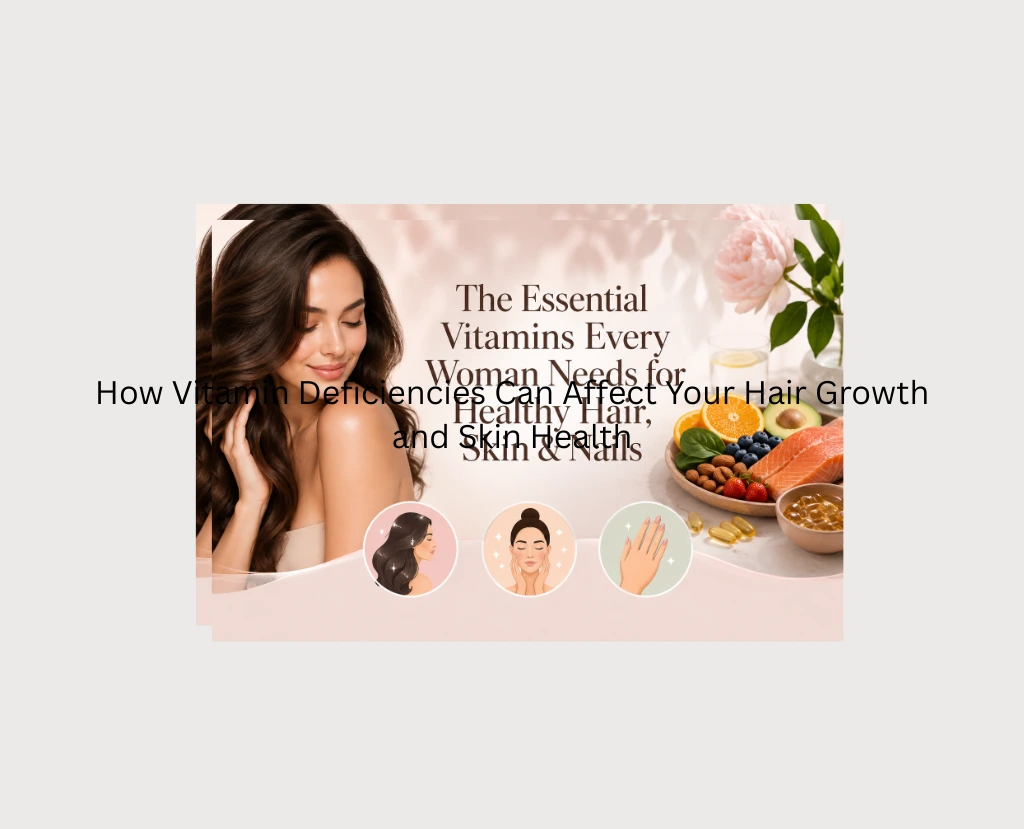
The Essential Vitamins Every Woman Needs for Healthy Hair, Skin & Nails
Most women have been there — standing in the supplement aisle, staring at rows of bottles promising thicker hair, brighter skin, and stronger nails, and wondering which ones actually do anything. It is genuinely confusing, and the marketing does not make it easier. But the reality is that certain vitamins genuinely do make a significant difference to how your hair, skin, and nails look and feel — and more importantly, whether they function properly at all.
At Cosmeticstar in Leeds, we see the impact of nutritional deficiencies on hair and skin health every day. Many patients who come to us for hair loss treatment or skin treatments are unknowingly deficient in one or more of the nutrients covered in this blog. Getting these foundations right is not optional — it is where everything else builds from.
Why Vitamins Matter More Than Most People Realise
Hair follicles are among the most metabolically active structures in the body — they need a consistent, reliable supply of specific nutrients to function properly. The same applies to skin cells, which turn over continuously and depend heavily on vitamins and minerals to maintain their barrier function, elasticity, and appearance. When those nutrients are missing, the effects show up — often in the hair and skin first — before anything else becomes obvious. The NHS guide to vitamins and minerals provides a solid foundation for understanding how each one contributes to overall health.
The tricky part is that deficiencies are often subclinical — meaning blood tests can come back ‘within the normal range’ whilst you are still functionally low in a particular nutrient. A good example is ferritin: standard iron tests can appear fine whilst stored iron is low enough to disrupt hair growth significantly. This is something we routinely identify in patients at Cosmeticstar who have been told their levels are normal but are still experiencing unexplained thinning.
The Vitamins and Nutrients That Make the Real Difference
Biotin (Vitamin B7)
Biotin is the nutrient most commonly associated with hair and nail health — and the association is well founded. Biotin plays a central role in the production of keratin, the structural protein that makes up the hair shaft and nail plate. Women who are deficient in biotin often notice brittle nails, hair that breaks easily or sheds excessively, and skin that looks dull or dry. Whilst severe deficiency is relatively uncommon, low-grade insufficiency is far more prevalent than most people appreciate — particularly among women who are pregnant, breastfeeding, or on certain medications.
Vitamin D
Vitamin D deficiency is one of the most widespread nutritional issues in the UK — and its impact on hair health is increasingly well documented. Vitamin D receptors are found on hair follicle cells, and research suggests that adequate vitamin D is necessary for follicles to move through the hair growth cycle properly. Low vitamin D has been associated with increased hair shedding, slower regrowth, and a higher prevalence of alopecia areata. For skin, vitamin D supports the skin’s immune function and its ability to repair and regenerate.
Vitamin B12
B12 is essential for red blood cell production — which means it is fundamental to how well oxygen and nutrients are delivered to your follicles and skin cells. Low B12 is particularly common in women who follow plant-based diets, those with gut absorption issues, and those over 40 whose intrinsic factor production naturally declines. The effects on hair can be significant: B12 deficiency is a well-recognised contributor to diffuse hair shedding and premature greying. Skin pallor and a dull complexion are also common presentations.
Iron and Ferritin
Iron — particularly ferritin, the stored form of iron — is possibly the most underestimated driver of hair loss in women. Hair follicles need ferritin to function in the growth phase, and when stores fall below a certain threshold, the body redirects iron to essential organs and away from the follicle. The result is increased shedding, thinner strands, and slower regrowth. Women of reproductive age, those who have recently given birth, and vegetarians are particularly at risk. The frustrating thing is that standard blood tests often miss it — ferritin needs to be specifically tested and ideally maintained above 70 micrograms per litre for optimal hair growth.
Vitamin C
Vitamin C is essential for collagen synthesis — the process through which the body builds and maintains the structural protein that keeps skin firm, smooth, and resilient. It is also a powerful antioxidant that protects both skin cells and follicular tissue from oxidative stress. For nails, vitamin C contributes to the growth of strong, healthy nail plates. And it significantly enhances iron absorption when consumed alongside iron-rich foods or supplements — making it an important supporting nutrient for women managing low ferritin.
Zinc
Zinc is involved in more than 300 enzymatic processes in the body — including the regulation of the hair growth cycle, the production of sebum in the scalp, and the repair of skin tissue. Zinc deficiency can contribute to hair shedding, scalp inflammation, slow wound healing, and skin conditions including acne and eczema. Women under significant physical or emotional stress, those with digestive conditions, and those who train intensively are at higher risk of zinc insufficiency.
Omega-3 Fatty Acids
Omega-3s are not technically vitamins, but their role in hair and skin health is significant enough to include here. These essential fatty acids contribute to the lipid barrier of the skin — the protective layer that keeps moisture in and irritants out. They also reduce systemic inflammation, which is a contributing factor in many hair loss conditions. Women who do not eat oily fish regularly are often low in omega-3s without realising it.
How Cosmeticstar in Leeds Addresses Nutritional Deficiencies
Vitamin Injections
Oral supplements are better than nothing, but their absorption depends on the health of your digestive system — which varies considerably between individuals. Our Vitamin Injections in Leeds bypass the digestive process entirely, delivering B12, vitamin D, biotin, and other targeted nutrients directly into the bloodstream for complete and immediate uptake. For women with documented deficiencies or poor gut absorption, this is a significantly more effective delivery route.
IV Drip Therapy
For a more comprehensive nutritional top-up, our IV Drip Therapy in Leeds delivers a personalised blend of vitamins, minerals, and antioxidants intravenously. This is particularly effective for women who are managing multiple deficiencies simultaneously, or who want to support their hair and skin health as part of a wider wellness approach.
PRP Hair Treatment
Where vitamin deficiencies have contributed to hair thinning, restoring nutritional status is the first step — but it does not always stimulate regrowth on its own. PRP Hair Treatment in Leeds delivers concentrated growth factors directly to the follicle, complementing nutritional recovery with a direct biological stimulus to reactivate thinning hair.
GFC Hair Therapy
For patients whose hair thinning is more pronounced, GFC Hair Therapy in Leeds provides an advanced growth factor treatment that works powerfully alongside nutritional support to restore follicular health.
Prevention Tips Worth Following
- Get a full blood panel including ferritin, vitamin D, B12, zinc, and thyroid function — not just a standard iron test
- Do not self-supplement without knowing your levels — too much of certain vitamins, particularly vitamin A, can actually worsen hair loss
- If you have been told your results are ‘normal’ but still experience symptoms, ask for the actual numbers — context matters
- Consider injectable or IV supplementation if oral supplements have not made a difference after three months
Ready to Address Your Deficiencies Properly?
If you have been struggling with hair thinning, dull skin, or brittle nails and want to understand whether nutrition is a contributing factor, Cosmeticstar in Leeds offers honest, clinically informed consultations that look at the full picture. Chat now — click the link and you will be redirected straight to WhatsApp.
Conclusion
Healthy hair, skin, and nails do not happen in isolation — they are a reflection of what is happening internally. Getting your vitamin and mineral levels right is not a luxury; it is the foundation on which everything else — including clinical treatments — works best. Cosmeticstar in Leeds is here to help you identify what you are missing and address it in the most effective way possible.
Privacy Notice: Your data is handled in accordance with UK GDPR. Please review our Privacy Policy for full details.
Disclaimer: This blog is for educational purposes only. Always consult a qualified professional before beginning any treatment.
Frequently Asked Questions
Q: Which vitamin deficiency most commonly causes hair loss in women?
A: Low ferritin is the most frequently missed cause of hair shedding in women, followed by vitamin D and B12 deficiencies. A targeted blood panel is the only way to identify which ones apply to you.
Q: Are vitamin injections better than oral supplements for hair and skin?
A: For women with documented deficiencies or poor gut absorption, vitamin injections offer significantly higher and more reliable absorption than oral supplements.
Q: How quickly do vitamin injections show results for hair and skin?
A: Most patients notice improvements in energy and skin appearance within two to four weeks of beginning a course of vitamin injections. Hair improvements typically take longer — three to five months — as they follow the hair growth cycle.
Q: Can I take all these vitamins together safely?
A: A clinician should always guide supplementation — some vitamins interact with each other or with medications, and excess of certain nutrients can cause harm. Always test before supplementing.